

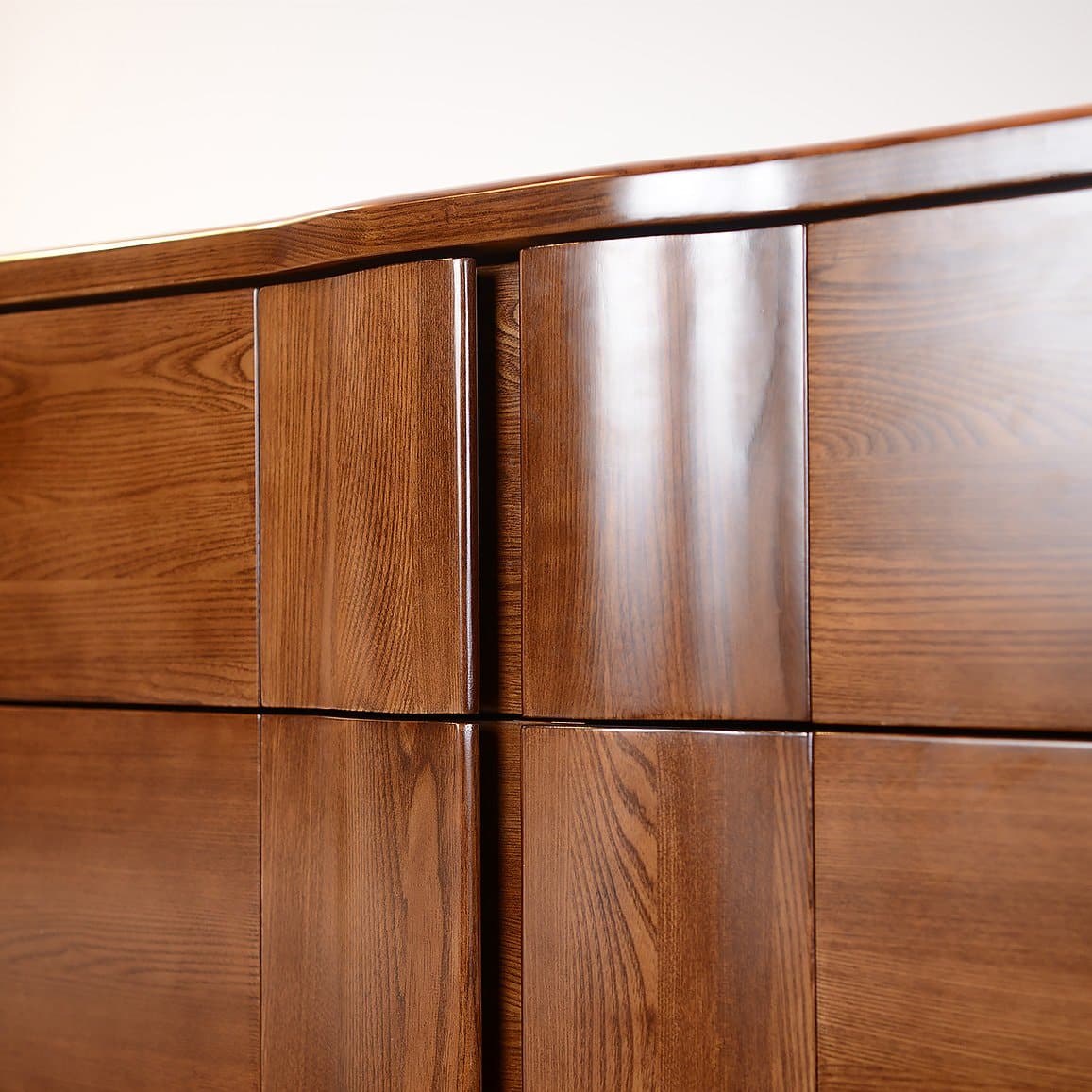
Selecting the correct paint is vital when trying to make your old wooden furniture look fresh and brand new, not just for looks but for longevity, too. Different kinds of wood absorb paint in different ways, so knowing what paint to use on wood furniture can be quite helpful in determining which product will give you the result you’re after.
Understanding Your Wood Surface Before Painting
Assessing the wood surface, its previous finishes, and its texture is important before selecting any paint. These factors influence how well the final coat adheres and how well it looks. For the typical unfinished wood surface, paint has a good chance of sticking and looking fine, unless that wood is too wet to paint on or too flat in grain to hold the paint.
However, unfinished wood generally needs more prep than finished wood, which brings us to the next section.
Comparing Different Types of Paint Finishes
When looking for what paint to use on wood furniture, it requires an understanding of the various finishes and how they may serve you. Among the most common options is High-Gloss, as this modern finish resists stains and is easy to wipe down; it would work on almost any furniture piece and would be a good, durable option for a kitchen table.
Next is Satin and Eggshell, which provide a more subtle sheen that makes them better options for furniture pieces that might not be as hard-wearing, like a dining room table.
Then you can consider a Matte or Chalk Finish, which gives an item a unique matte look that might fit better with some decor styles. Use this on furniture pieces that see very little use, as the durability of this finish might not hold up under more demanding conditions.
Why Primer Plays an Important Role
One of the most significant errors to make when painting furniture is to skip the primer, regardless of how high-quality the paint is. This is especially true for uneven, glossy, or previously painted surfaces. The bonding agent must be present for optimal performance from the paint. Cozy enough that you can scrub it and not have it come off.
Water-Based vs. Oil-Based Paints for Furniture
Paint type is frequently a matter of balancing purpose and durability. For furniture intended for light to moderate use, water-based acrylic finishes are ideal. They dry quickly, clean up easily, and have a next-to-no-odor.
For furniture that undergoes heavy wear and tear, such as chairs, dining tables, or cabinets, an oil-based finish is the superior choice. While it requires more application time and a longer drying period, the result is a far more durable and resilient surface.
Specialty Paints for Unique Textures and Finishes
In certain furniture transformations that are particularly creative or design-focused, specialty paints, such as chalk paint, milk paint, and enamel, come into play. These paints offer a variety of textures and finishes that aren’t easily achieved with standard latex or oil-based paints. These textures and finishes matter in furniture transformations because they help convey the particular style or aesthetic that the transformer is after.
How to Achieve a Professional-Looking Finish
Acquiring that sleek, factory-like finish necessitates the correct paint and the right application technique. This involves thorough cleaning, sanding for a smooth base, applying primer, and using high-quality brushes or rollers—preferably a foam roller for flat surfaces—to avoid brush marks.
Spraying the paint delivers the most flawless finish, although it requires more prep and ventilation. The results, however, are well worth it: a surface that looks polished and professional, no matter what paint to use on wood furniture.
Considering Environmental and Safety Factors
When you apply paint to indoor furniture, especially in pieces located in bedrooms or children’s rooms, you should choose paint that is low in volatile organic compounds (VOCs) or has none at all. This is for two important reasons. First, it reduces the chances of you or anyone else being exposed to nasty fumes, both during the application process and afterwards.
And second, many water-based paints that are VOC-free offer the kind of durability and vibrancy that interior designers love. They can be applied to furniture without any noticeable compromise to the quality of the finish.
Matching Paint Type with Furniture Usage
Before deciding what paint to use on wood furniture, it is essential to consider the expected usage frequency and conditions. Surfaces like kitchen chairs and coffee tables will need paint that can withstand a fair amount of abuse—like alkyd or enamel—that can resist a decent number of scratches and stains, while other surfaces, such as plant stands, accent cabinets, or decorative bookshelves can get away with paints that are not only less durable but perhaps even a little more visually interesting, like a soft chalk finish that might not withstand a high amount of wear but certainly looks terrific.
Recommendation
If you want high-quality, pre-painted furniture ready with no effort or do-it-yourself mess, you should look at the OAK Furniture Collection. We have a wide variety of sturdy, wooden furniture that has been painted by skilled artisans and is ready for you to use. Our painted furniture ranges from traditional styles to modern pieces, so you should be able to find something that fits your home aesthetic perfectly.
