

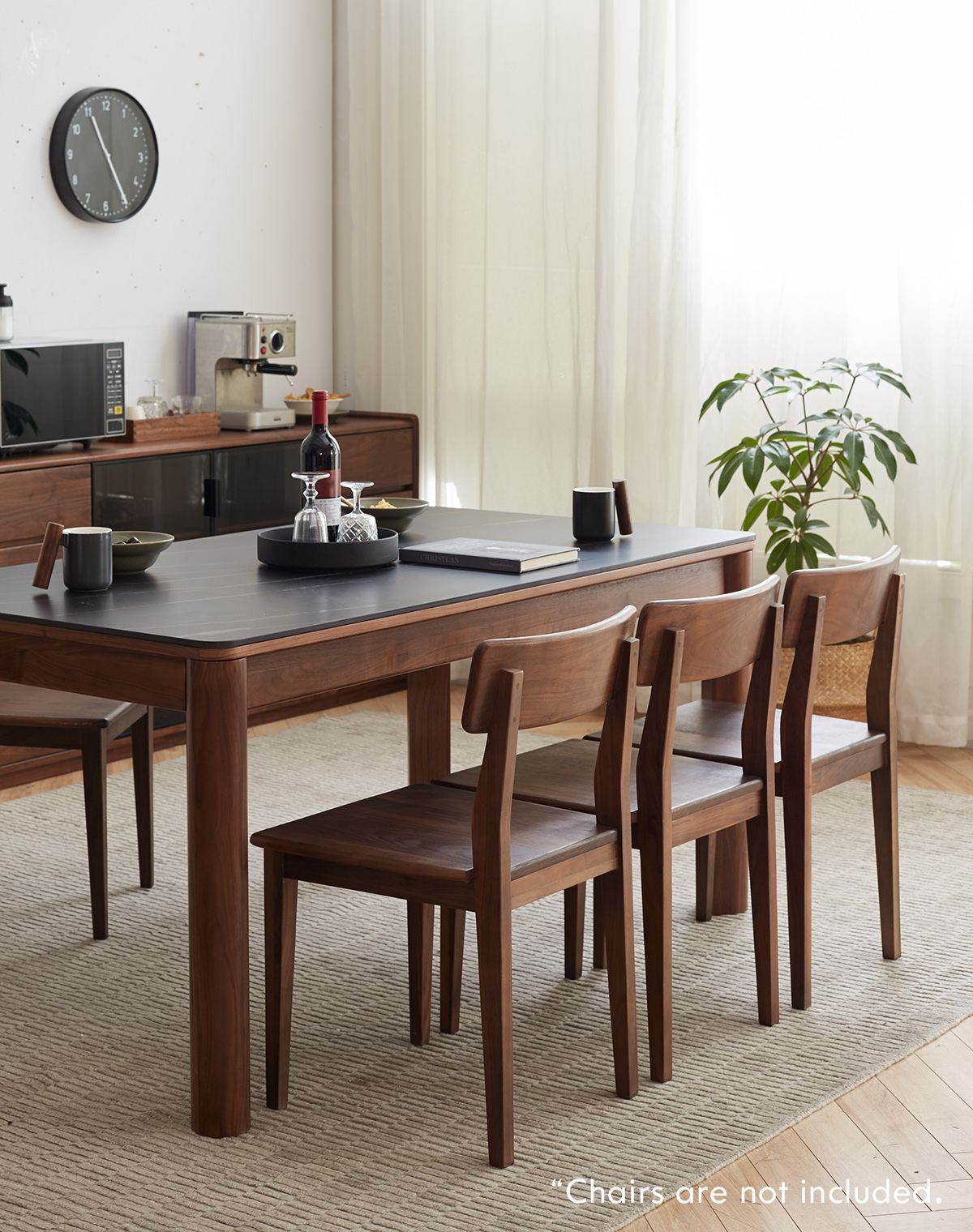
Every piece of furniture provides a special charm and value to your living space, but none perhaps as much as the dining table, which frequently functions as a practical surface for everyday meals and a true centrepiece for family gatherings, as well as formal dinners. This makes it all the more essential to learn how to clean wood dining table surfaces, inside and out, in a way that honours their beauty and ensures their longevity, without compromising the natural finish of the wood.
While cleaning might seem like an obvious task, and perhaps even a straightforward thing, it’s easy to mess up. Right now, it is essential to understand what not to do, just as much as knowing what steps to take, especially if your table is made from natural hardwoods like oak or walnut. These materials respond differently to moisture and cleaning agents, and so a key part of responsible furniture maintenance is learning the right techniques to use, and just as importantly, the ones to avoid.
Dusting the Right Way for Everyday Maintenance
For your wood dining table to appear fresh and be free from the dull effects of dirt particles, it is best to begin with frequent dry dusting. Use a soft microfiber cloth that gently traps dust, rather than pushing it around and getting it stuck in any number of places. You want to ensure you’re not using anything that could unintentionally cause scratching. Feather dusters don’t do a great job in terms of capturing fine dust. For high-gloss or hand-oiled finishes, rough fabrics or overly playful dusting can leave micro-scratches, which you should avoid altogether.
Wipe Spills Immediately to Prevent Damage
Learning to clean wooden dining tables begins with learning to deal with spills. The table should be cleaned promptly. Because the absorption of moisture can lead to warping, discolouration, or staining of the wood, the table surface needs to be protected from moisture.
When cleaning the table, use a slightly damp cloth, and then immediately follow this step with a dry cloth. When using a damp cloth, it is essential to remember that the table surface is not to be soaked in any way, and the damp cloth is to be used only to blot the area where the spill occurred.
For the table’s surface to remain free from damage that can result from exposure to moisture, it is wise to use placemats and coasters as a demonstrative way to inform dining guests that the table is still a wooden one that remains susceptible to water and that water is to be kept away from the table.
Choosing the Best Cleaning Products and Tools
Not all cleaning solutions are appropriate for wood, and one of the most common blunders made by homeowners when figuring out how to clean wood dining table surfaces is to reach for the nearest multipurpose spray that happens to be on hand. This often contains alcohol, ammonia, or other harsh chemicals that, over time, degrade the finish of the wood and make it look worse than when you started.
Instead of going that route, pick a cleaning product made of wood with none of those ingredients. If you use a cleaner that leaves any buildup on the surface, it will interfere with the way the surface feels and looks, a clear sign that something isn’t right with your dining table.
Deep Cleaning and Conditioning for Long-Term Care
Every few months, particularly in dry or high-use environments, perform a more intense clean and follow up with a conditioning treatment that replenishes the natural oils lost through use, sun exposure, and cleaning. This step is especially critical for solid wood tables made of oak or walnut. They tend to be more moisture-responsive, and without a more regular condition treatment, they can dry out and crack over time, making the table much less stable structurally.
To condition the wood effectively, first wipe it down with a damp cloth to remove light dirt or dust, and then apply a wood-safe cleaner with a microfiber pad or lint-free cloth using smooth, even strokes that follow the direction of the grain. Once the surface is clean, allow it to dry completely before applying a nourishing oil or conditioner.
Avoiding Common Mistakes and Misconceptions
As you learn how to clean wood dining table surfaces well, it is equally important to learn what not to do. That means learning to avoid steam cleaners, vinegar-based solutions, and rough scouring pads. These can strip the finish or change the natural color of the wood over time.
Another commonly held belief is that using furniture polish is always good, when in fact it can be overused and then create a waxy buildup that makes the surface dull, particularly on matte-finished or lightly oiled tables.
Quite commonly, people also think that it’s just fine to put hot items directly on the wood, when in fact those heat marks are hard to get out once they’ve been put in, and they can also change the texture of the finish.
Recommendation
If you want to improve or keep your eating area intact, turn to the OAK Furniture Collection for good, old-fashioned craftsmanship. Our spaces are a good stage set for the home dynamics. In terms of value for your investment, the pieces in the OAK Furniture Collection guarantee a sturdy, clean-lined presence in your living environment for the long haul. Now, if you indeed have a high-quality wooden dining table, congratulations! You’ve got a solid platform on which to drape an elegant home soirée and a kind of presence that living in the moment can serve as a bridge to the past.
