

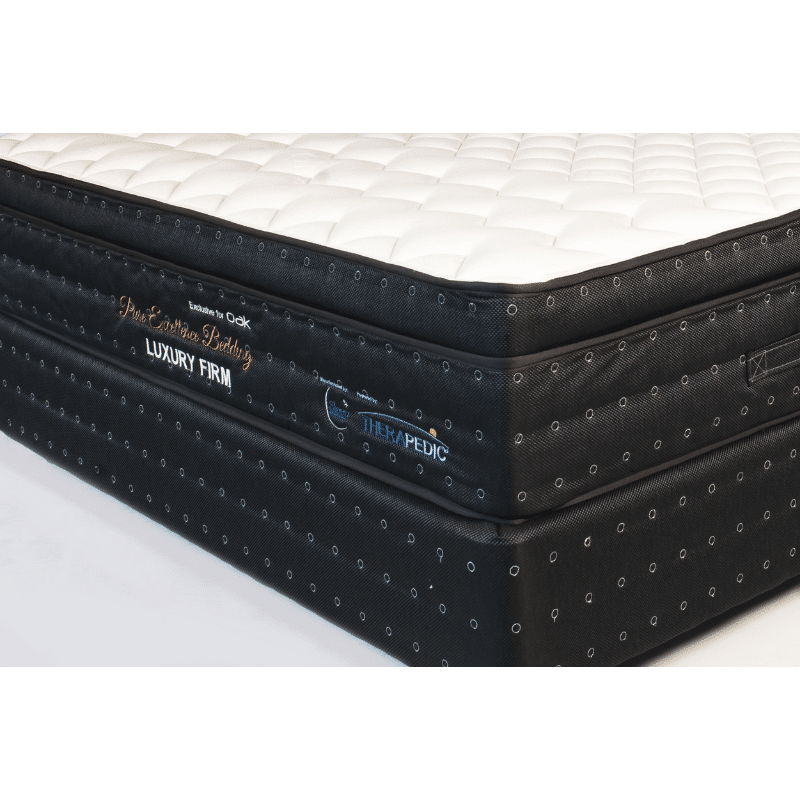
The issue of back pain is common. And it can severely impact the quality of life. While there are many contributing factors, one of the most overlooked is the very surface on which you sleep. The selection of a mattress is fundamental to managing your spinal alignment, muscle relaxation, and pressure relief. This is especially true if you are a back pain sufferer. Many of us ask, what is a good mattress for back pain?
In seeking an answer, we look for a solution that is supportive and comfortable. We want a mattress that doesn’t aggravate the sensitive spots in our body, but also one that is mindful and kind when it comes to our level of firmness.
Importance of Firmness and Spine Alignment
When choosing a mattress for back pain, an essential feature to consider is the firmness level. A mattress that is too soft may allow your body to sink in too much. A mattress that is too hard may cause pressure on important joints like your hips and shoulders. You should think about a mattress’s firmness level as a spectrum with four basic gradations: soft, medium, medium-firm, and firm.
According to most experts, medium-firm mattresses are generally the best and most supportive for your back. They provide enough give for your body not to feel like it’s resting on a slab, yet they’re not so cushy that your spine is put out of line as you sag into the mattress.
Your back is naturally arched, and proper posture means that your spine is straight when viewed from the front and back. Another way to say this is that your spine is in a neutral position. A mattress that allows you to maintain this position keeps your back well-supported.
Material Composition and Body Contouring
When evaluating what is a good mattress for back pain, it is important to look at the internal construction and the materials used. This is because types of beds like memory foam and latex tend to contour better to the body’s shape and provide relief from pressure points, especially for side sleepers and those with spinal problems.
Memory foam offers personalized support that makes you feel as if you’re sleeping on a cloud molded to your shape and warmed by your body. The chances of waking up with back stiffness or soreness are greatly reduced when you have a foam bed. Natural latex is another good option. While it has a bouncier feel, it still maintains excellent pressure relief and is way more durable than foam.
Sleeping Positions and Custom Support
The position in which you prefer to sleep affects your decision about the best type of mattress for you. Back sleepers usually fare best on a medium-firm mattress. That type of surface keeps the spine aligned while allowing for enough comfort that you’re not tossing and turning. Side sleepers may need a different sort of setup.
You might find that a slightly softer mattress allows your shoulders and hips to sink in just enough to relieve pressure. Stomach sleepers generally need a firmer surface. Otherwise, the lower back can arch up and cause tension and pain.
Adjustable mattresses are gaining popularity in the market as a bed that is good for back pain. You can set them to be firmer in some areas and softer in others. If you’re a couple with different support needs, a dual-firmness mattress may also be a great solution.
Mattress Longevity and Material Durability
Mattress selection is a two-pronged problem that requires solutions for comfort and durability. The latter is crucial for back pain sufferers because a mattress that sags or is otherwise uneven might not cause immediate harm, but over time, it can contribute to spinal misalignment and exacerbate physical discomfort.
Yet comfort is still essential because a person who’s not comfortable is not going to sleep well, no matter how supportive the mattress might be (or become) in the long run. Hence, a back pain sufferer should look for the following signs of a durable and comfortable mattress.
Foundation and Bed Frame Compatibility
Even the best-designed mattress requires a suitable base to support it. The base must complement the mattress, improving its strengths and not degrading them. It must be even. If it’s not, and the mattress is sitting on a base like that, the operational elements of the mattress can be compromised in such a way that it may as well not have those elements at all.
A solid wood base, with either pine or oak, will do well. Those woods don’t warp, and they don’t sag. The woods are quite solid in that respect. The other wood foundation choice that is decent is a foundation made of birch. A box spring can work as well, but it’s got to be compatible with the mattress and not be sagging in the middle. An adjustable base can work, too.
Recommendation
In the search for solutions to back pain, it is clear that the perfect mattress has to contain a precise mixture of firmness, supportive contouring, and durability for the long haul—all tailored to you, your sleeping position, and your anatomical needs. If you’re asking what is a good mattress for back pain, pay close attention to the particulars that matter: materials, construction, firmness, and the kind of statistically significant bed foundation that allows a “good mattress” to perform up to its potential. OAK Furniture Collection, with its stunning frames and solid, well-thought-out foundations made from oak and walnut, offers a range of beds that will support any back-friendly mattress you might choose.
