

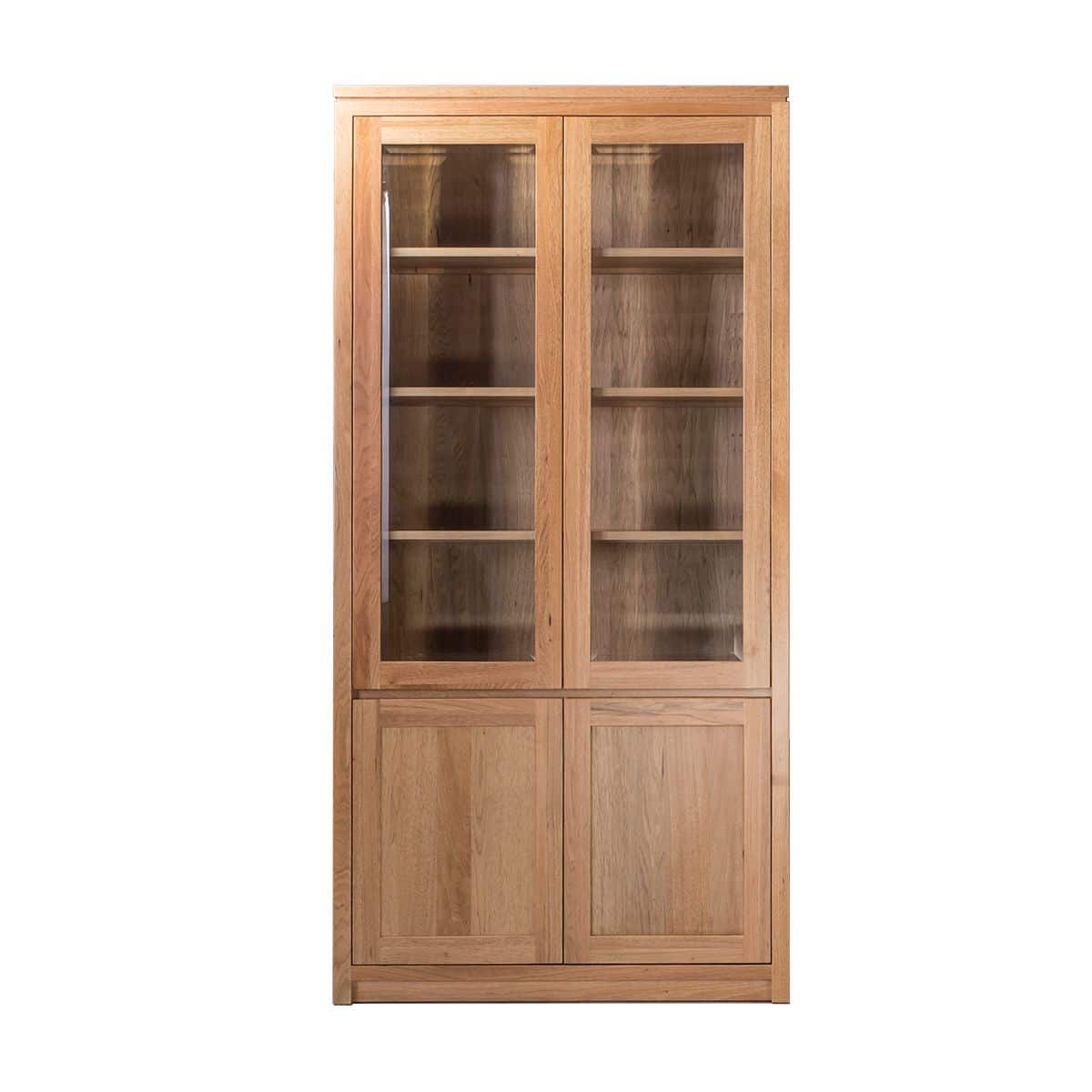
Contemporary and modern are the terms that are typically interchanged in the world of interior design, yet the two styles are widely contrasting aesthetic approaches that can help in changing your living spaces in the most unique ways. Modern furniture is a particular movement in design, which developed during the early and mid-20th century, that encompassed clean lines, a lack of ornamentation, and attention to functionality that altered how individuals perceived home furnishings. Although the modern furniture and contemporary furniture bear some similarities in the way they embrace simplicity, they differ greatly in the approach they take in their design and the epochs they epitomize.
The Characteristics that define Modern Furniture
The design of modern furniture was seen as a response to the lavish and very-decorated styles that prevailed during the Victorian period and resulted in a rebellious style that glorified simplicity and plain materials. The movement also focused on form after function, and this implies that each element of a work has some practical purpose as opposed to sitting on a work of art strictly as a decoration.
Smooth surfaces, clean geometric lines, and the absence of over-the-top decoration are the attributes of modern works, and the result is a piece of furniture that does not need any extravagance to make a statement but makes one through its minimalist grace.
Wood, metal, glass, and leather are the common materials used in contemporary furniture, and natural wood finishes reveal the beauty of materials without the stuffing and distressing. Color palette Modern design is characterized by neutral colors and vivid accent colors rarely used, which gives the spaces the effect of a calm, organized environment and purposefully designed space.
The Fluid and Adaptable Nature of Contemporary Furniture
As compared to the contemporary design, where it is followed by certain historical standards, contemporary furniture and modern furniture differ in that the contemporary style entails what is present and trending at any given time.
Modern furniture is more accepting of the use of curves and soft lines as compared to the modern, and has integrated organic forms that build visual appeal and comfort at the same time. This style is not afraid of stealing techniques and styles of different styles in design, such as minimalism, art deco, and even traditional style, and combining them into one unified work that is not dated or old-fashioned in its feel.
Modern works tend to incorporate new materials and construction methods unavailable in the era of the modern movement, such as sustainable composites, engineered woods, and modern fabrics. A wide range of modern designs provides house owners with opportunities to make their homes reflect their individual style and to keep up with the changes in aesthetic tastes and demands of their practical use.
Choice of Material in Pieces of the contemporary and modern eras
Material selection is a key factor in the determination of contemporary furniture and modern furniture, and each approach presents the materials in a manner that emphasizes their natural characteristics and visual possibilities.
Furniture, both modern and contemporary, admires the beauty of the natural wood, but they may treat and finish this material in different ways to meet their aesthetic intentions. Wooden parts will be a priority when oak and walnut are used because of their durability, the beauty of their grains, and their flexibility to fit any design scheme with their warm coloring.
Modern design is inclined to feature wood in its more natural form, with the least amount of finishing to leave the grain and color to be heard without the need for excessively treating and distressing it.
Current work may have more freedom with the use of wood in combination with glass, metal, or upholstered materials to produce mixed material furniture that may add visual complexity and texture to interior spaces.
Color Schemes and Visual Effects
Another difference between the two popular design philosophies that affect the way spaces are experienced and operate lies in the color approaches used in contemporary furniture and modern furniture.
The contemporary furniture is normally a neutral foundation colour scheme of white, blacks, grey, and natural wood colour, with the infrequent use of primary colours such as red, blue, or yellow in their saturated form. The modern design uses a wider range of colors, such as earth colors, jewel-like colors, and even metallic finishes that provide deeper color and character to furniture items and room settings.
The contemporary style produces rooms that are impeccable and calm, with color application relegated to the capacities of accent and not prevailing in the entire room. Modern interiors can be characterized by gradient effects, ombre effects, or unpredictable color combinations, which provoke dynamic visual impressions and are, at the same time, elegant and harmonious.
Practicality + Design Beauty
Contemporary design philosophy and modern design philosophy focus on functionality and other aesthetic aspects, such that furniture should be functional but improve the visual aesthetic of the living area.
The similarity of contemporary furniture to modern furniture is that they have a shared belief in creating furniture that is effective in a real-life environment and does not entangle itself in creating furniture that is merely a form of decoration, thus hindering usability or comfortable experience.
The functionality of modern furniture manifests in various forms, including multi-functional pieces, intelligent storage solutions, and designs that prioritize space-efficiency without compromising on style or quality.
Modern furniture is a continuation of this utilitarian spirit with a few technological innovations, such as in-built charging points, adjustable functions, and ergonomics that meet the demands of the modern lifestyle. The combination of style and functionality of each style makes sure that the homeowners do not have to make a choice between the beautiful furniture and the objects that can fulfill their practical needs daily.
The Passion of Style: Selecting Style
The choice of contemporary or modern furniture depends on your personal preferences, lifestyle requirements, and the architectural features of your home or apartment. Take into account the characteristics of the space as it is now, such as the ceiling heights, the presence of natural light, and the architecture that may complement or contradict the specific furniture styles.
The modern furniture is incredibly applicable in an open plan room, the loft apartments, and the houses which have minimal architectural elements, replicating the straight lines and open spaces and lines of the style.
The modern works are more versatile to suit eclectic environments as well as residential settings, where one would rather mix several different influences in design into a unified, unique interior that highlights current trends.
Both designs are capable of fitting different room sizes and setups, but the modern design is especially good in a small room since it does not take up much space, and its lightness does not make the room look crowded or claustrophobic.
Recommendation
OAK Furniture Collection is a good choice for those who want to find something unique that would represent the best and the most current design concepts and, at the same time, be functional. Our tailored collection includes products made of high-quality materials that display the natural beauty behind quality construction and that can satisfy the needs of the contemporary Australian lifestyle. Whether you are fully stocking a new house or simply need key pieces to update your current space, their assortment offers solutions that are both classic and trendy—stylish yet comfortable and unpretentious.
