

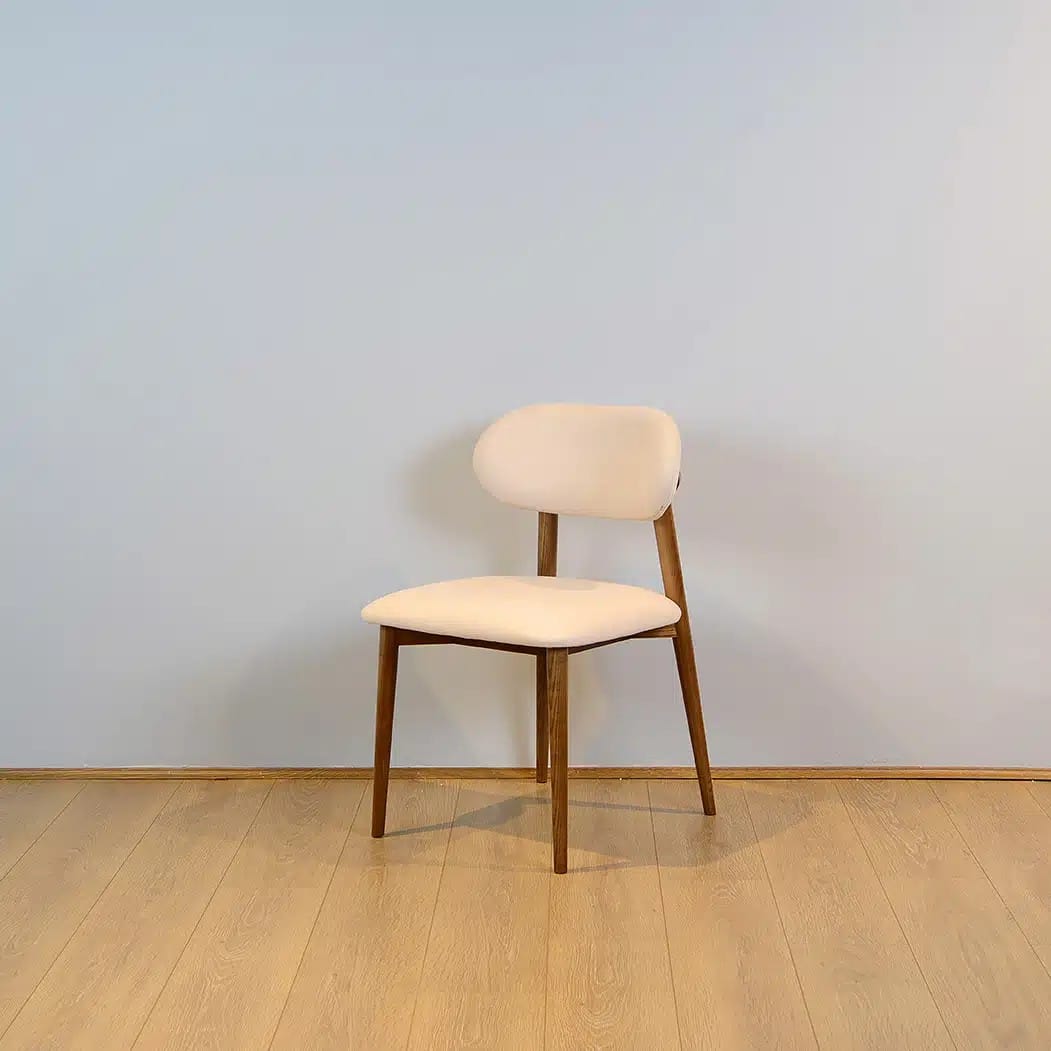
The choice of the correct bar stool in your kitchen island, breakfast bar, or home pub area involves a lot of consideration of the height measurements to give you a comfortable and functional experience. The bar stool height guide is a useful guide that guides the purchaser not to repeat the same mistake of buying stools that are too long or too short to fit on the counter. Knowing the standard, the measurements, and the way they relate to the various heights of counters will revolutionize your meal time and will form a whole and working seating plan. The majority of the furniture producers are dividing the bar stools into three main heights to suit certain counter heights that are common in the home and commercial environments.
Standard Counter Height Stools
The counter height stools generally have a height of 24-27 inches between the floor and the seat, thus they fit well in kitchen counters and islands with a height of 36 inches. These are flexible seating opportunities that are comfortable in casual dining areas and homework locations, or even morning coffee routines, but still allow a balance between these chairs and the available cabinetry to be appropriate.
As a general rule of thumb, ensure there is 10 to 12 inches of clearance between the seat and the bottom of your counter for comfortable leg placement and free movement. Counter height stools are ideal for family kitchens, offering comfortable and easy surface access for both adults and children of varying heights, without requiring awkward climbing or maneuvering.
Bar Height Stool Specifications
Higher stools (28 to 32 inches high) are specifically made to fit the higher surfaces of traditional bar counters, pub tables, and elevated kitchen islands (and with generally the same height of 40 to 42 inches) that higher stools are specifically made to fit.
Using an appropriate bar stool height guide can help you make sure that your bar height choices give you the required height to comfortably have a conversation, eat without straining your legs or back during long sitting time.
Even these taller stools have footrests lower on the legs, which give the much-needed support and comfort so that the occupants can rest with their feet instead of hanging them at an uncomfortable level. The height of the bars is often available with swiveled features and styles of the backrests that support entertainment and socializing areas all over the house.
Additional Tall and Spectator and Spectator Stool Options
Extra tall or spectator models are between 33 and 36 inches in seat height and are used on unusually high counters, standing desks, or special commercial use, where high seating is needed. Although they are not as much utilized in residential environments, it is worth knowing how these measurements are placed in a guide that addresses the entire bar stool height to use when developing specific spaces or in fitting with the architectural aspect of non-standard dimensions.
These specialized stools require a great deal of attention to footrest design and stability factors since the height will increase balance and safety, unless the stool is well designed to support the footrest. Extra-tall models are usually fitted with adjustable height systems that can accommodate an array of users or different heights on the surface in one area.
The art of counter space measurement
Measure the height of your counter before buying any seating by determining the distance between the floor and the bottom of the overhang with a standard tape measure, being careful not to skip any points along the entire length of your counter.
It helps take out expensive buying errors, which can lead to returns or uncomfortable seats, by referring to a detailed bar stool height guide once your measurements have been taken to help reduce the possible options and to help you with the final choice. It depends on how thick your counter material is, how much decorative molding you have, and whether or not you have aprons or support structures, which may create less clearance of the legs under your seating area.
It is important to remember that the size of the physical body of the people who will be the regulars of the stools should also be considered, since taller or shorter users might wish to have the standard clearance guidelines altered to make them more comfortable.
Type of Material and Style
During the process of determining the height, think about the ability of various materials and building techniques to influence the longevity and attractiveness of the space you are using. Quality hardwoods produce durable and long-lasting stools that can stand the daily wear, with oak being very strong and walnut giving dark and elegant tones that can go hand in hand with modern and traditional decorations.
Modern industrial styling is achieved with metal frames and upholstered seating, and structural integrity is still achieved with these types of combinations and with height-adjustable options with gas lift advantages over the top.
These combinations frequently feature height adjustment. Your bar stool style must blend with other elements of the existing decoration, be it minimalist with clean lines, farmhouse with distressed finishes, or luxurious with extravagant detailing and costly materials.
Ergonomics and Comfort Features
In addition to simple height measurements at any bar stool height guide, additional comfort accessories like backrest support, armrests, cushioned seat, and footrest adjustment that do considerably increase user-friendliness in extended sitting are also important to take into account.
The stools that have a 360-degree swivel will help in the communication of conversations in social places, as occupants can easily turn around without necessarily relocating the entire stool or even standing up and down. Seat design contours, through ergonomic shapes, help to decrease the number of pressure points and enhance posture, which is of great importance when stools are the main eating chairs and not the occasional standing seats where a quick snack is taken.
Adjustable heights are flexible and can serve households requiring multiple counter heights or a different user of the counter, but they generally bring up the final price and may need periodic fixes to make the mechanisms functional.
Spacing and Layout Planning
Adequate distance between stools helps in avoiding crowding and also facilitates easy movement, with most designers suggesting the presence of 26 to 30 inches between the center of one stool and the center of the other.
Think of how many stools your counter can comfortably fit following this spacing recommendation, bearing in mind that congestion creates awkwardness during dinners, and access and exit become difficult.
Consider the footprint of the stool on the floor, especially when the design of the stool has a wide base or cross-supports that project past the width of the seat, since these may disrupt the traffic pattern in your kitchen.
Ensure a proper clearance on both sides of your seating plan so that access to the farthest stools is easy without the occupants having to squeeze themselves to pass through walls, appliances, and other building structures.
Recommendation
Once you are willing to use it and invest in high-quality seating, which perfectly fits your size, OAK Furniture Collection has a carefully designed collection of bar stools in different heights, designs, and finishes to match any Australian home.
