

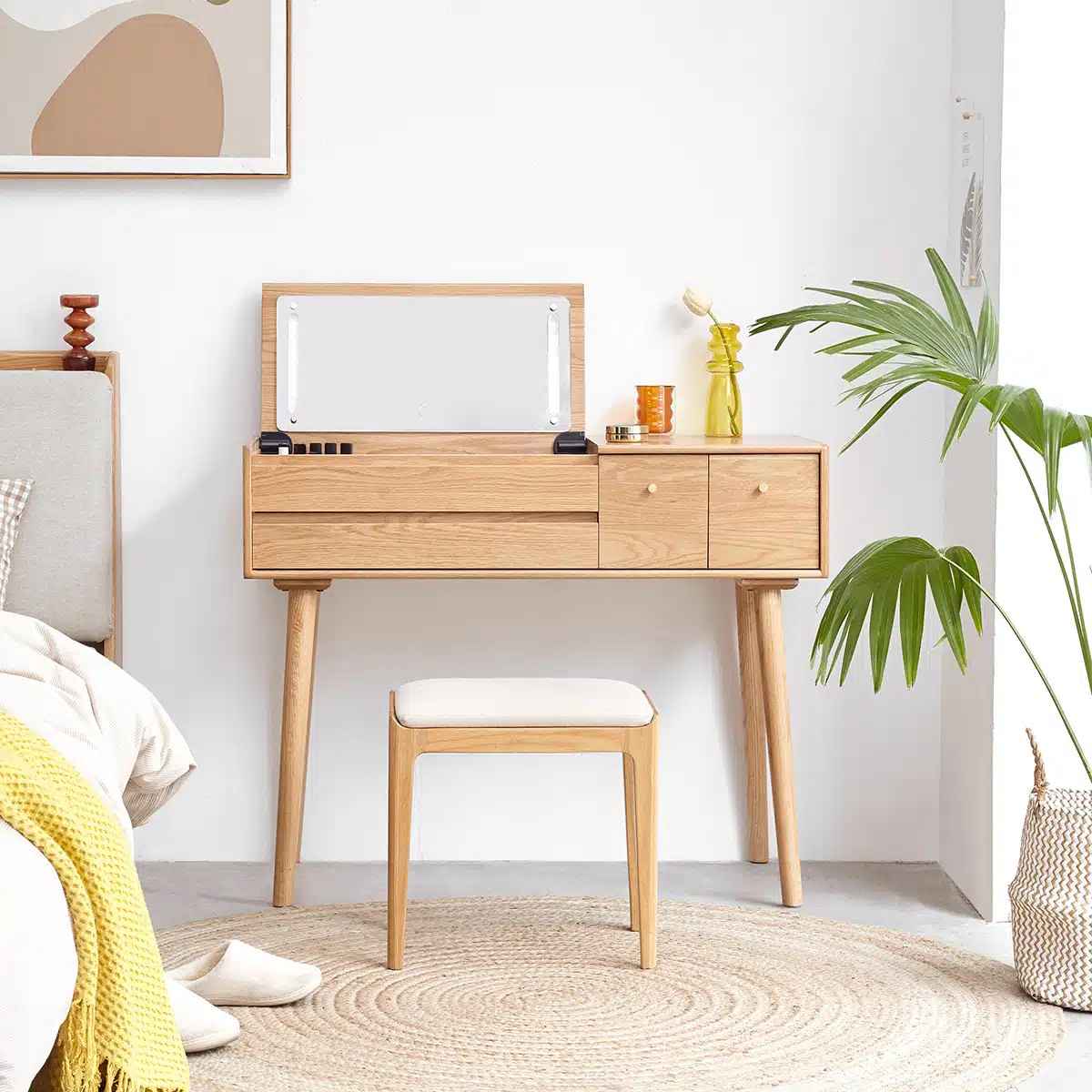
What is transitional furniture? Transitional furniture is a complex mixture of old and new styles, establishing a good balance that will attract homeowners who want versatility and eternal beauty in their homes. This design was created as a reaction to the increasing need to have interiors that are neither too formal nor too casual, creating the middle ground between the homeliness of the traditional design and the clean line of the modern design.
Major Traits that Characterize the Transitional Style
The characteristic elements of transitional furniture are clean lines, with soft curves, and not excessively embellished with ornaments like the traditional styles and the cold and hard edges of ultra-modern design.
These works are usually well executed with detail and use of such materials as leather, linen, and natural finishes on wood that are not only warm and give a room an appearance but also a texture. The hardware and accents are often minimalistic and include brushed metal or plain wooden ornaments that do not clash with the rest of the design.
Transitional furniture focuses on comfort, but does not neglect style, using plush cushioning and ergonomic proportions that suggest one relax yet also look elegant. Colour schemes are generally based on neutrals, i.e., beige, gray, taupe, and cream, with a few dull jewels or slight earth tones that add depth, but do not create a dramatic contrast.
The Transitional Pieces in Materials and Finishes
Speaking of the kind of material used in transitional furniture, you will discover that it has a wide variety of materials of high quality, which make it so versatile in its looks. The wood finishes on the transitional furniture tend to be medium and not too dark or too light, where oak and walnut are good options due to their attractive grain patterns and their durability.
The upholstery fabrics are differentiated as smooth leathers, textured linens, and performance fabrics, which offer both aesthetics and functionality in day-to-day living. Transitional design often utilizes mixed materials, such as wood framing with metallic details or glass table tops on wooden bottoms, as a source of contrast.
The finishes are also matte or satin instead of high-gloss, which adds to the restrained elegance that defines this style but makes sure that the works are not outdated in several years.
Adaptability and Classic Elegance.
The definition of What is transitional furniture also implies the ability to understand how versatile it has turned out to be in terms of its applicability in various interior design plans and the timeless applicability within the context of the constantly evolving design trends.
These pieces represent a smart, long-term furniture investment because their reserved style prevents them from becoming redundant as fashion changes. Instead, they serve as a blank canvas, allowing the homeowner to easily update their space with accessories and accent pieces.
Transitional furniture fits well in open concept modern houses as well as the standard room planning by giving the sense of continuity and flow in different living rooms. The flexibility of the style renders it perfect for users who like the coziness of classic design and the ease of modern design, as they are able to showcase their own style without having to adhere to strict design principles.
This flexibility is further enhanced by their mix-and-match versatility; transitional pieces blend seamlessly with both traditional and modern objects, making them an ideal choice for those who frequently update their interior design.
Designing a Cohesive Space through Transitional Design.
When integrating transitional furniture, the key is moderation—avoiding extremes of either conventional or contemporary style. Layering elements like area rugs, throw pillows, and window treatments creates depth and interest without allowing the overall palette to clash or become obtrusive.
Pay attention to the development of a feeling of symmetry and proportion in room layouts since the values of transitional design are the sense of orderliness in the compositions that are still deliberate but casual.
Lighting is essential in transitional areas, and it has fixtures whose geometry is often seen to have simple geometric forms, which are mixed with traditional materials such as brushed nickel, bronze, or even simple glass designs.
The decoration and accessories must be well-chosen and not overcrowded, with items that are meaningful and not clichéd to represent personal style without being too flashy on the otherwise simple beauty of the furniture.
Recommendation
To the customer who wants to acquire transitional furniture pieces with the right blend of classic design and superior craftsmanship, OAK Furniture Collection has a diverse product that exactly reflects the ideals of this traditional, versatile style, and provides a complete guide on What is transitional furniture. Our exclusive collection is carefully edited with beautifully made pieces in either oak or walnut finish that impart coziness and style to any home with the clean line and harmony that characterizes transitional design. No matter what you need to furnish a whole house or just some statement pieces to make your current decor more complete, our collection is the next step to building a space that is both up-to-date and timeless.
