

Even the simplest things one can do in everyday life can turn sciatica into a nightmare, and one of the most uncomfortable positions for a person with this nerve-related disorder is the sitting position. It is essential to learn how to sit with sciatica to manage the pain and prevent further aggravation of the sciatic nerve, which runs down the back of your buttocks, along your hips, and down each leg.
Learning the Sciatic Nerve and Sitting Pressure
By sitting, especially in a posture that is not ergonomically correct, you may be putting lots of strain on your lower spine and sciatic nerve pathway. When slouching, sitting long hours without taking a break, or sitting on furniture that lacks the proper support for the natural curve of your spine, the sciatic nerve is likely to be compressed or irritated.
This compression causes the typical shooting pain, numbness, or tingling pain which spreads down the leg or both legs, and one is unable to concentrate on work or even have fun. To know how to sit with sciatica, you must understand that your body requires regular support and the correct positioning to avoid the irritation of the nerves, as well as lower the inflammation in the affected region.
The Right Chair to sit on to relieve sciatica
The seating position used is one of the key determinants of managing the symptoms of sciatica because the type of chair used must have good lumbar support and be adaptable to meet your comfort levels every day.
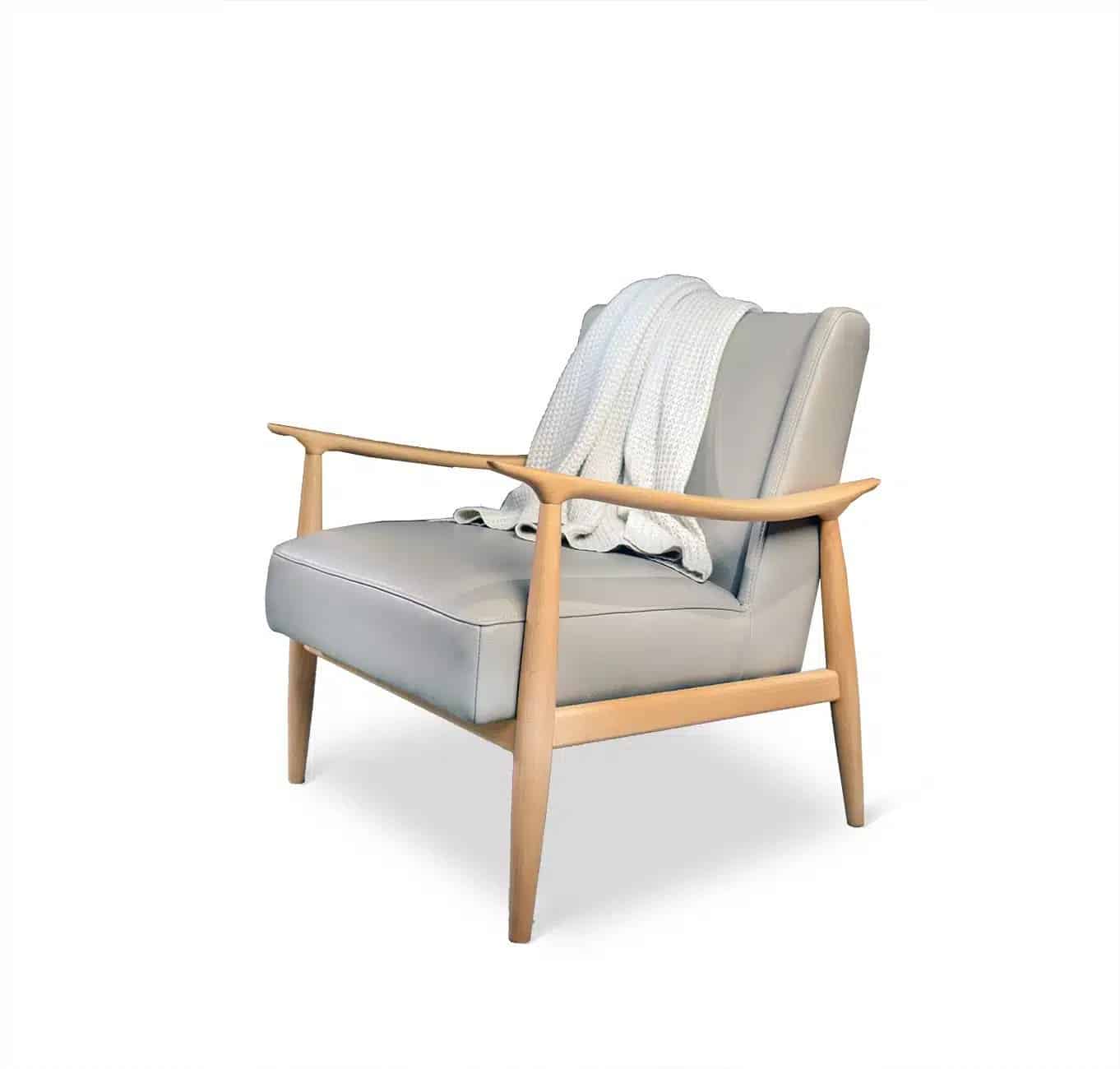
Find chairs with firm, but comfortable cushioning, adjustable seat heights that allow your feet to be in a flat position with the floor, and lumbar support that keeps supporting the natural S-curve of your spine during the day.
The depth of a chair must be high enough to allow you to sit back with the backrest without the back of your knees touching the edge of the seat, because it will cause unnecessary stress to your legs and will lead to poor blood circulation.
Armrests of the appropriate height may also help relieve shoulder tension, as well as aid in more evenly distributing your body weight, increasing the load on the lower back and sciatic nerve pathways.
The best sitting position to treat sciatica
While maintaining proper posture requires conscious effort and frequent adjustments, the significant relief from sciatic pain makes the commitment well worth it for those facing daily discomfort. A correct sitting position with sciatica would be sitting straight back with the shoulders loose and rolled down a bit, and having the hips at a 90-degree angle with the thighs parallel to the floor.
You are to have your feet firmly on the ground or use a footrest where necessary, and you are to distribute your weight evenly over both hips and not to cross legs or lean on one side always. Do not sit on your wallet or phone in the back pocket because this causes unequal force on the pelvis and aggravates the compression of the sciatic nerve, which causes more pain and discomfort during and after sitting.
Changes of Strategic Movement and Position
Even technically correct sitting postures may create issues for sciatica sufferers since, over time, immobile muscles tighten, and nerves get compressed. Use a timer to remind yourself to stand, stretch, and walk at least five minutes every thirty to sixty minutes to take pressure off the sciatic nerve and have blood circulate to the compressed areas again.
To have to sit down, alternate your load and push on the opposite hip every so often, alternate the angle of your backrest a little, or do other easy seated exercises that move your lower back and hip flexors, and do not require you to leave your chair.
These micro-movements and frequent changes of position will help eliminate the stiffness and nerve compression that builds up when sitting for longer periods, and therefore, the question of how to sit with sciatica is more to do with movement than it is to do with sitting at the same spot.
Recommendation
To people who want the convenience and support of sitting in comfortable furniture with the added advantage of long-lasting use, OAK Furniture Collection has a select few pieces of dining seats, office chairs, and home furniture pieces that would help them find the necessary support they need to manage sciatica during sitting. Our robust designs are built to last, offering a permanent solution for your comfort. Invest in quality that won’t compromise over time, providing you with consistent relief and support throughout the years ahead.
