

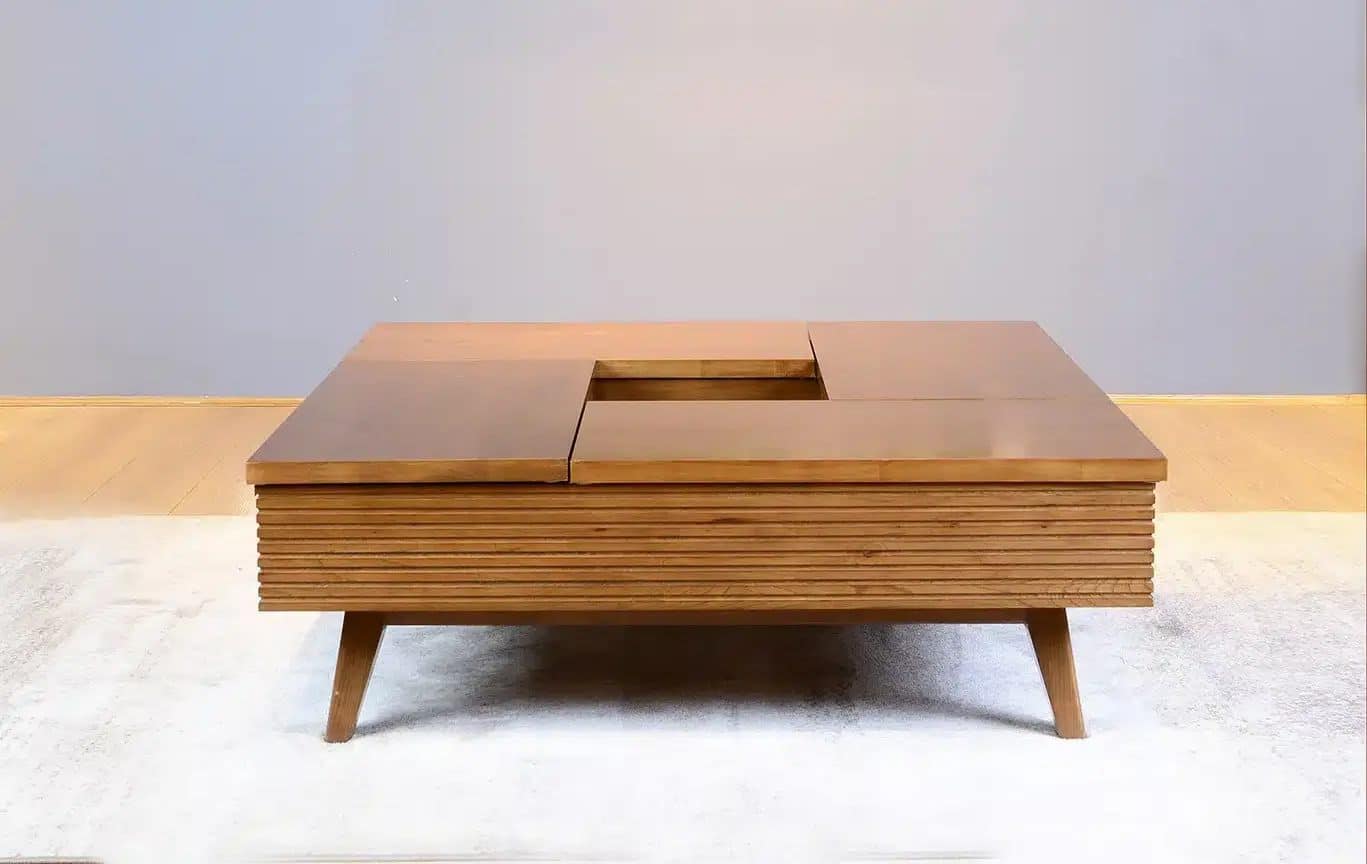
The coffee table is the functional and aesthetic center of any living room, where people meet, talk about the world, watch movies, and get on with their everyday lives. Learning how to style a coffee table can make your whole space look altogether higher than ever before, and an otherwise normal room may turn into a refined haven that epitomizes your taste and lifestyle. You might also be planning on having guests or freshening up your decor, and of course, you might want a more integrated interior design. With a master of garnishing a coffee table, you can imagine the alternatives and fruitful possibilities to be more ardent with both creativity and life functions.
Build a powerful base with Necessary Aspects.
When you are creating a skillfully designed coffee table, the first step is to create a strong base upon which you will build the table by starting with the staple pieces that anchor your table and also add aesthetic appeal to your table.
Begin by choosing an eye-catching anchor object—like a decorative tray, a substantial coffee table book, or a sculptural piece—that predetermines the overall aesthetic and reflects your personal style. This foundational piece serves multiple functions: it organizes smaller items, frames specific styled areas, and prevents the composition from looking chaotic.
Learn the Art of Overlay and Height Difference
After forming the base, the most important element for how to style a coffee table professionally is utilizing layering and varied heights. Create a visual dimension by mixing different-sized books, placing objects at varying levels, and using small stands or pedestals to elevate items above the table surface.
Start with your highest objects, like an arriving vase of fresh flowers or greenery, a table lamp, or a tall arrangement of candles, and place your objects in the background or side of view of whatever you may be planning to display on the table, so that your eyes cannot cut across these objects during the tour of the room.
Inclusions of Supplying Natural and Textural Elements
Introducing the natural variety of textures in the table setting of your coffee also provides a sense of warmth, vitality, and natural beauty that breaks the hardness of surfaces and brings about a more welcoming feeling to your living room.
In consideration of timber furniture, e.g., furniture made of oak or walnut, one should choose complementary natural materials that do not conflict with the existing grain patterns and color shadings of the wood. The combination of smooth and rough, matte and glossy, organic and manufactured textures produces a very sophisticated, curated appearance, which is not accidental.
The question of how to style a coffee table using natural items does not entail any costly accents, which means that even a plain bowl of pretty shells, a piece of driftwood, or a collection of pretty shells can add an organic touch to your design with minimal cluttering and will not load your wallet.
Symmetry between Design and Practicality
Although it is still crucial to have a beautiful coffee table stand, an effective styling exercise should incorporate a response between the ornamental and functional presence of your living room to make sure that it is habitable and friendly to be around every day.
How to style a coffee table successfully is to design a table that does not fix in any one place but can be moved to suit and accommodate the various functions of the day, but in one way it should leave all in one neat, attractive setup when the table is not under active use.
It is better to only place a handful of items on your surface as opposed to cluttering it with numerous small items that may create visual clutter and limit useful applications in your ecosystem living room, rather than having a select few pieces that hold significant meaning and can be both aesthetically and practically useful to your everyday life in the ecosystem.
Use the Rule of Thirds and Symmetry Principles
Professional interior designers often use the rule of thirds and strategic symmetry; applying these principles is key to learning how to style a coffee table and can significantly elevate the final result, even without formal design training.
Suppose you had a coffee table that was divided into thirds in horizontal and vertical planes into a thought grid about where you will put the objects, and use these as a reference when you are figuring out how objects will be balanced in a composition that will seem to be pleasing to the eye.
Recommendation
To the coffee-table lovers who want to have an outstanding coffee table that gives the best platform to display the stunning fittings, the OAK Furniture Collection features a beautiful range of well-crafted coffee tables, providing the perfect centerpiece for your living space with exceptional style and superior construction.
