

To purchase leather furniture or accessories, one must know the difference between different types of leather, as it can make a huge difference in one’s choice of shopping and satisfaction with the investment over time. Top grain vs full grain leather is one of the most crucial factors that should be considered by people who want to buy leather products of high quality, durability, and beauty.
Knowing Full Grain Leather Properties
Full-grain leather is the best leather on the market as it is at its original surface with all its original markings, imperfections, and grain pattern that narrates the life of the animal. The processing on this type of premium leather is minimal; thus, the manufacturers do not sand, buff, or cut the uppermost layer of the hide, hence retaining the strongest and most durable fibers that nature has taken so long to develop.
Full-grain leather has tight, dense fibers that offer excellent strength and durability against wear and tear on the natural surface, and it makes it an investment that can be used through generations, given that it is well maintained and taken care of using the right leather conditioning products. A full-grain leather that has grown old acquires a noble patina- a lustrous sheen, which adds to its character and beauty, a unique look, which cannot be imitated by man and his processing techniques.
Learning about Top Grain Leather Properties
The top grain leather, though still of high quality as a genuine leather product, goes through further processing procedures, which essentially transform the surface properties and overall performance features of this product as compared to the full grain counterpart.
In the process of making the product, craftsmen mill away the topmost layer of the hide to take out natural imperfections, scars, insect bites, and other surface anomalies that may not appeal to a uniform look, making it a more cohesive and aesthetically standard product.
Following this sanding, the manufacturers will generally apply a protective finish coating or simulated grain pattern to the leather surface that may involve pigments, dyes, and polymer treatments to increase stain resistance and give the leather surface a more even distribution of color throughout the entire hide.
The top grain leather surface finishing contributes a higher level of stain resistance and cleaning ease as compared to a full grain leather finish, and this is attractive to consumers who seek low-maintenance furniture types or those who have active families with a high rate of spills and mishaps.
Comparison of Durability and Longevity
Comparing the top grain vs full grain leather in terms of life span and structural integrity, full grain leather is obviously the best since it preserves the strongest and most tightly bonded natural fibers, which have been refined by evolution to be the most protective and the most enduring. The natural oils and waxes, which are found on the unaltered surface of full-grain leather, make the material resistant to moisture penetration, slow the drying and cracking of the material, and keep the material pliable over several decades of normal use in demanding environments.
Conversely, the sanded finish surface of top grain leather eliminates all of these protective natural components, and though the finished covering on the surface offers some resistance against instant stain and small spillages, over time it may wear off, crack, or peel as it is used and exposed to the effects of environmental factors like sunlight, heat, and variations in humidity.
Full-grain leather furniture, especially that made using higher-grade hardwoods such as oak as structural framing, can be easily maintained with less than occasional cleaning and conditioning, can easily last fifty years or longer, and may become a treasured family heirloom handed down through several generations.
Top grain leather goods generally provide a serviceable life of between ten and fifteen years in normal wear and tear situations, which is no doubt good value, though not in the same category of longevity and investment worthiness as full grain products to those customers who are more worried about the long life of the product rather than the purchase price.
Visual Appeal and Aesthetic Differences
The aesthetic experience of the top grain vs full grain leather is very different and meets the different tastes of design, interior decoration, and personal taste of the furniture buyers and leather goods lovers. Full-grain leather glorifies natural attraction and naturalness, revealing the particularities of character, the differences of natural grains, slight shades of color, and organic textures that make each item truly one of a kind and not exactly repeatable using the production methods.
These natural differences and flaws convey or narrate a story to furniture pieces and are considered to add warmth, character, and visual appeal to furniture pieces that harmonize with the rustic, traditional, industrial, and even some contemporary design plans, wherein the use of authentic materials is in the limelight.
On the other hand, top grain leather is more sophisticated and consistent in look on the entire surface with standardized coloring, artificial grains, and smooth textures, which are desired by consumers who cannot consider variations in taste and look of objects as a design concern.
Price Attention and Value Evaluation
The knowledge of the price difference between top and full grain leather would assist the consumer in making a sound decision due to his or her budgetary constraints, investment philosophy, and future value of their furniture and leather products investments. Full-grain leather fetches a high cost in the market because of some of its elements, such as the availability of hides that are pure enough to stay uncorrupted, the tanning skills that are needed to handle the raw leather products, and the quality/durability that makes the high price worth it to the buyers who are decisive on quality products.
Top grain leather items are usually sold at slightly cheaper prices compared to their full grain counterparts because they can be afforded by the low-end consumer who does not necessarily require the high-end type of leather but is willing to settle for good quality leather goods at a slightly lower price point.
But in the long-term analysis of the value of the product, full grain leather can therefore be more cost-effective, since it will have an outstanding shelf life, so one can buy once and spend many decades, but top grain leather can wear off very fast, which may lead to more significant total expenses in the long-term perspective.
Recommendation
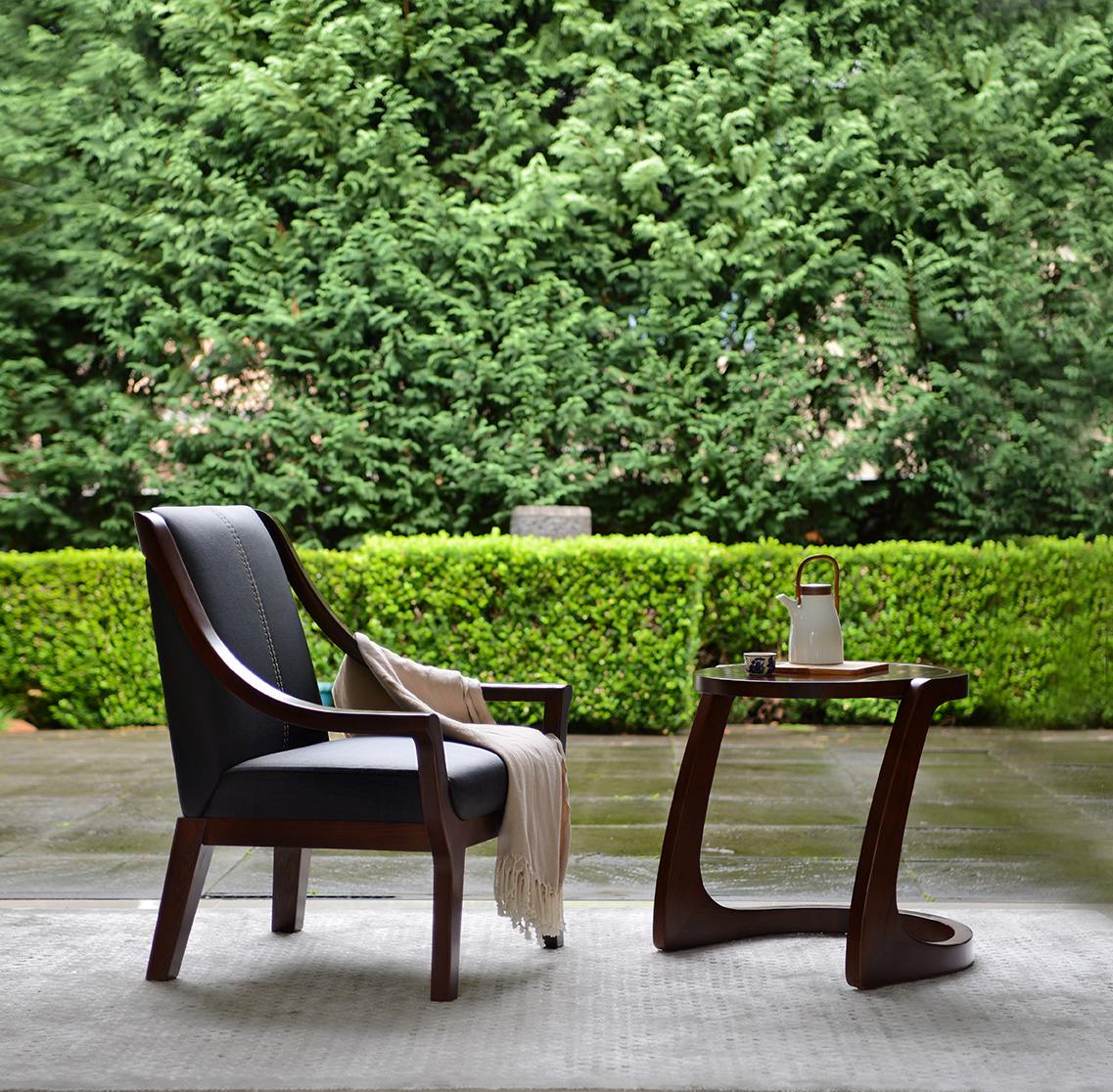
OAK Furniture Collection offers an impressive range of premium leather pieces that combine thoughtful design with exceptional craftsmanship. They use full-grain and top-grain leather, paired with sturdy oak or walnut frames, ensuring long-lasting durability and a timeless look.
