

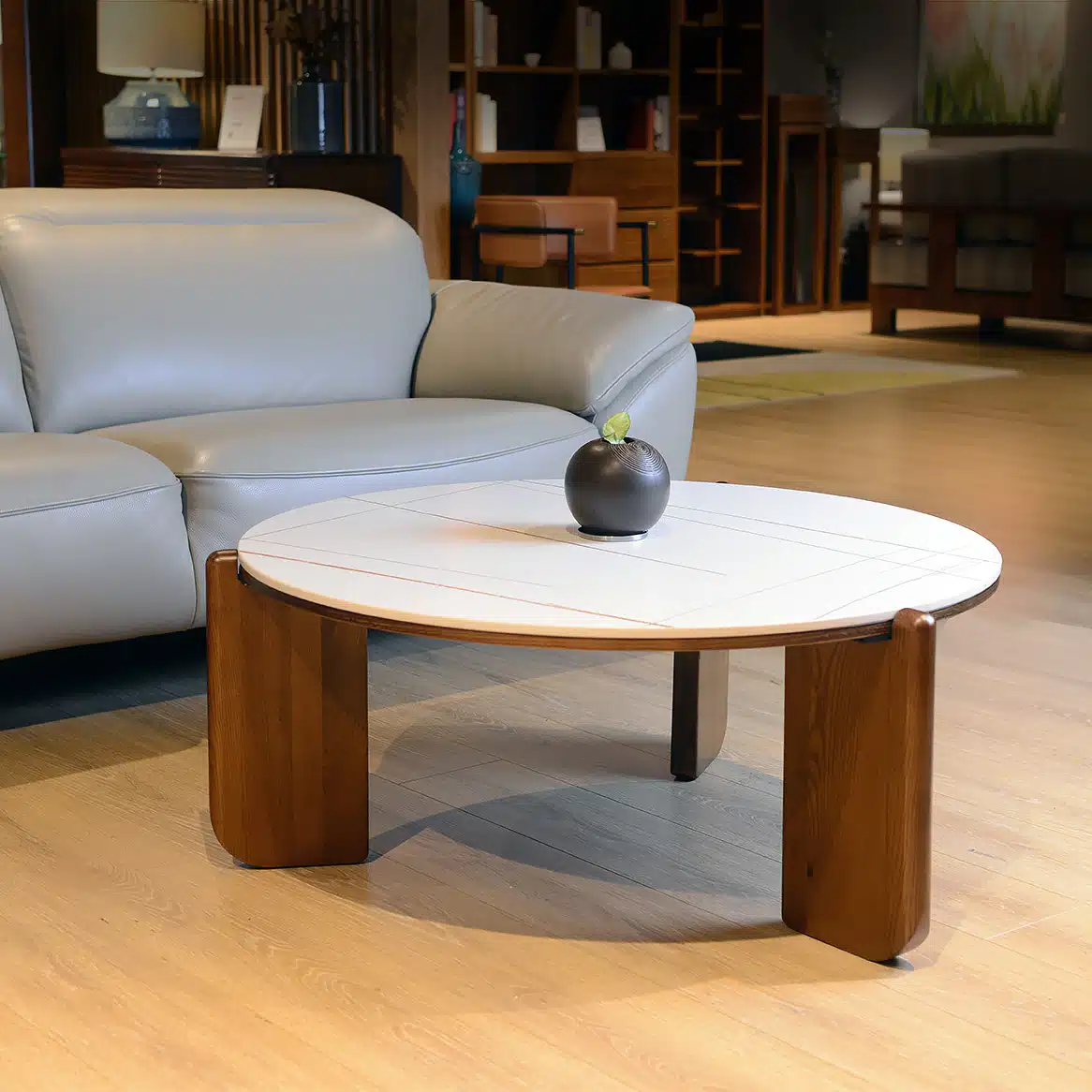
The contemporary home has undergone significant changes in the last few decades, with walls that used to separate rooms slowly disappearing to create more cohesive and welcoming spaces that bring the family together and facilitate socialization within the house. An open concept living room is one of the hottest design trends of modern building design since it does not include those common walls that have broken the various spaces in the past, and instead incorporates uninterrupted movements between cooking, dining, and rest spaces that are both expansive and cozy.
This architectural approach changes how families live, work, and relax. By opening the space to natural light rather than enclosing everything in separate rooms, even modest homes feel brighter, roomier, and more welcoming. The psychological benefits are just as significant: open layouts encourage communication, reduce feelings of isolation, and help everyone feel connected, no matter what they’re doing.
Knowing the Advantages of the Open Spaces
The revolutionary change in compartmentalized spaces into flowing ones has many benefits whose positive effect goes much beyond aesthetics, and the way in which the homeowners live their day-to-day lives, as well as unique moments, has been transformed fundamentally.
These designs have natural light as a characteristic feature whereby sunlight that enters the buildings through the windows in one area can radiate to other spaces without any hindrance, hence eliminating the use of artificial lighting during the daylight hours, which leaves a warm and inviting climate that positively influences the mood and energy levels of the occupants during the day.
Families with young children especially appreciate open layouts, since the absence of walls makes it much easier to keep an eye on kids while cooking or handling other household tasks — even when they’re in different parts of the space.
Entertaining also becomes more relaxed. Hosts can prepare food or pour drinks without disappearing behind kitchen walls like in the past. Everyone stays part of the conversation and the moment, and nobody feels shut out from the activity happening elsewhere.
This perceived square footage is very high, even though the size of the area is not increasing since the continuous sight lines deceive the eye to see more space than there is; hence, this type of design proves to be very useful in smaller homes or apartments where each visual inch is important in creating a comfortable living condition.
Principles of Design in Cohesive Open Spaces
To effectively accomplish the open concept living room, there is a need to thoroughly plan and think more about how the various areas will operate as a unit without losing their purposes and characters. Color schemes ought to be in a transitional manner between spaces, and this can create a visual continuity which does not make the space look disjointed or chaotic, with some slight variation in tone giving it definition without being rigidly delineated against in a way that nullifies the open design philosophy.
Flooring plays a key role in defining different zones within an open layout. Using the same material — like hardwood, laminate, or tile — creates a sense of continuity, while area rugs can subtly mark out spaces such as living or dining areas without adding physical barriers.
In open-plan designs, furniture placement becomes an important design tool. The thoughtful arrangement of sofas, chairs, and tables helps guide movement and forms functional groupings, all without blocking the open sightlines that make these layouts so appealing.
Special attention should be paid to lighting, which is essential because different rooms and zones will need diverse levels and types of lighting depending on their purpose, where pendant lights above kitchen islands and floor lamps next to reading chairs are necessary, and the rest of the lights in the dining area will play a role in creating the right ambiance in each area and promoting the overall beauty of the picture.
Controlling Acoustic and Privacy Issues
Although open concept living room designs have enormous advantages, they also pose their own challenges, which will only be addressed creatively to guarantee comfortable daily lives without losing the openness that makes the spaces so attractive.
Sound travels easily in open spaces — conversations, TV noise, and kitchen sounds tend to blend together without walls to block or contain them. This can create a noisy environment that makes it hard to focus or unwind during busy moments at home.
Soft furnishings like upholstered seating, curtains, cushions, and decorative textiles help absorb sound that would otherwise bounce off hard surfaces. By reducing echo, they create a more comfortable acoustic atmosphere that supports different activities happening at once.
Area rugs also serve a dual purpose: they visually define separate zones while softening footsteps and limiting noise transfer between areas. For that reason, they’re a valuable element in any open-plan layout.
There is also the issue of privacy when other members of the family have varying schedules or preferences. The person watching television in the living room may disrupt the other person reading or working in an adjacent area, and thus, compromise and consideration would be required, which otherwise would not be the case in the old compartmentalized designs.
Recommendation
Developing the ideal open concept living room environment means proper choice of furnishings that are stylish, useful, and hardwearing, coupled with the ability to match your overall design concept as well as meet the everyday needs of everyday life. OAK Furniture Collection uses a very wide variety of carefully designed furniture that is specifically designed to fit the open plan living environment, such as versatile dining tables, comfortable sofas, practical storage options, and accents that will complement the flow and functionality of the open environment and spaces without losing the aesthetic unity that makes them successful and enjoyable to both families and guests.
