

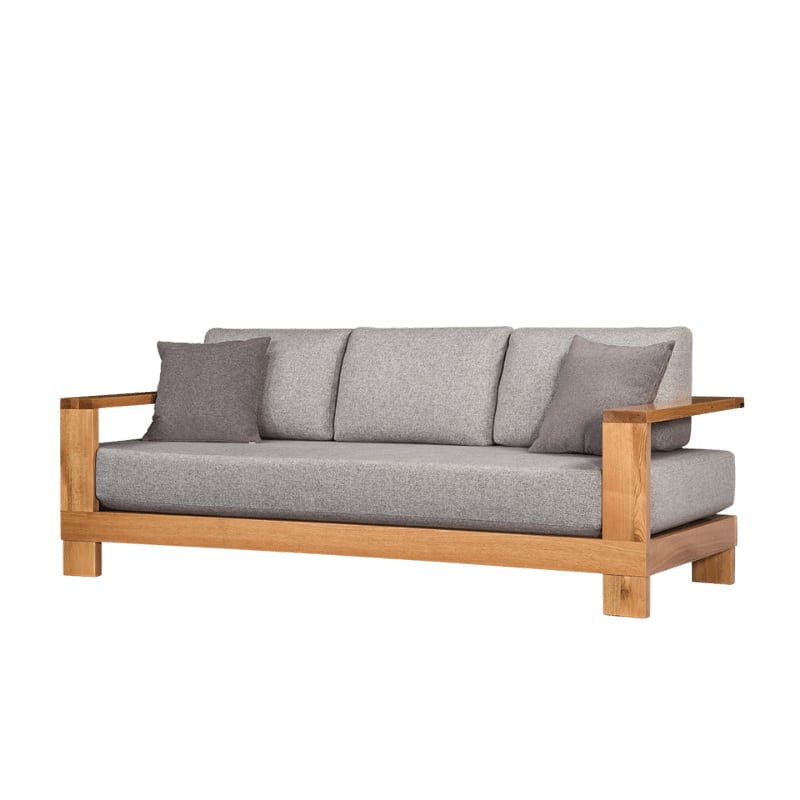
Assembling furniture yourself is one of the most fulfilling home projects that you can have, which incorporates creativity and practical workmanship to come up with the central piece of your living room. Trying to think how to build a couch, a lot of people feel intimidated by the intricacy of the given task, but with the right planning, the right materials, and the logical approach to the given task, creating a comfortable and fashionable couch turns out to be a much more accessible goal for those DIYers of any quality.
Structural integrity, comfort, and aesthetics have to be given due consideration, but there is no better example of joy on the part of making a custom item than having one made to your precise specifications, and each hour spent at the workstation is justifiably rewarded. This step-by-step guide walks you through the entire construction process—from the first design concept to the final upholstery—giving you the information you need to complete your project with confidence.
Planning Your Couch Design
Starting with the tools or buying materials before deciding on anything, first and foremost, planning out your design will help lay the groundwork for building a successful couch-building project that will not only fulfill your functional requirements but also satisfy your aesthetic interests.
Start by estimating the area in which your couch will be placed, considering the traffic patterns in the room, door sizes to move the finished piece, as well as the interaction of your new furniture with other parts of the room.
Think over the main task of the couch, whether the pull-out is necessary, whether it should be a family gathering place, and whether extra-wide seating is necessary, or whether it should fit in a small apartment, with space efficiency being the most important parameter.
Draw a variety of designs using various arm patterns like rolled, track, or English arm, back heights as low as modern profiles, to tall traditional designs, and the general proportions that suit the scale of your room.
Explore different styles of couch, such as mid-century modern with its clean lines and tapered legs, traditional designs with heavy details and plush cushions, or contemporary minimalist styles with its focus on simplicity and functionality, and see what style aligns with your personal style and home decor.
Choice of Materials and Tools
Collecting quality materials and the right tools before starting the construction process saves one the hassle of getting frustrated mid-way through the construction process as a result of construction delays and the resultant loss of durability of the finished product, your couch, in the face of years of normal usage, and still be in shape after use.
In the case of the frame, hardwoods are more powerful and durable than softwoods, and particular models, such as oak, can be highly durable and have beautiful grain patterns, whereas walnut can be colored and highly workable to provide high-quality materials.
To reduce the problem of warping and shrinkage which afflicts green wood, buy kiln-dried lumber, and buy pieces without a large knot, cracks, or other defects that can impair structural integrity. A circular or miter saw to make accurate cuts, a drill with standard and countersink bits, wood glue designed to use in construction furniture, clamps of different sizes to keep assemblies stuck together until the glue dries and sandpaper of various degrees of roughness to smooth the surface and a finishing material to match your desired style of appearance should be included in your tool collection.
In the case of upholstery, you need to spend on the high-density foam that does not sink after years of use, durable fabric that does not wear and stain easily, batting to smooth the edges and give a smooth line, a staple gun that will have enough power to drill through the hardwood frame, and upholstery needles to hand-stitch details.
Constructing the Frame
When learning how to build a couch, the frame is the foundation of the entire piece. Using strong joinery ensures your sofa can handle weight and everyday use without wobbling or flexing. Begin by cutting the frame components to size: front and back rails matching the full length of the couch, side rails for the depth, sturdy corner posts for vertical support, and cross-supports to reinforce wider spans.
Use mortise-and-tenon, dowel, or pocket hole screws in connecting sites because these types of joints are stronger than butt joints, which are dependent on the strength of fasteners. Use a lot of wood glue on all the joints to be assembled.
The glue forms a stronger bond than the surrounding wood when left to cure, so apply it to all the joints, then clamp the assemblies, but remember to check the squareness of the assemblies with a carpenter’s square or by measuring the diagonals to ensure that the assemblies are straight. Install more support structures, such as corner blocks that support.
Adding Support Systems
After you have a complete frame made, the next thing to add that will make the difference between a hard wooden bench and a cushion or a comfortable one, once a solid foundation is laid in by giving the seat appropriate support systems.
The traditional spring systems with sinuous springs or eight-way hand-tied coil springs offer an extremely high level of support and life cycle, and the sinuous springs can be a less expensive choice and still offer great performance in most applications.
Secure is attached to the frame with special clips or staples to maintain an even distribution throughout the entire seating area and secure tension without bottoming out when put in use. Otherwise, plywood decking cut to fit in the frame rails may be installed, and this offers a solid foundation where the foam cushions may be placed, and is also easy to construct, especially for amateurs who may still come up with a comfortable end product.
Burlap or other similar material is stretched taut over cover spring systems, stapled to the frame edges, so as to provide a barrier that prevents foam from working its way into the spring coils without providing a slight layer of padding that adds to the overall comfort.
Recommendation
To the buyers who would like quality furniture designed professionally, including the use of quality materials and professional work, OAK Furniture Collection has a wide range of high-quality seating offering the same focus in terms of attention to details and structural integrity as they should be in this guide on how to build a couch. We have luxuriously designed couches and sofas made of hardwoods that we have chosen thoughtfully, and our products offer homeowners alternatives that are ready-to-go, do not require investment in the time required to build an item, and last long because of the quality they produce, so that each product should serve the needs of the family over the course of generations.
