

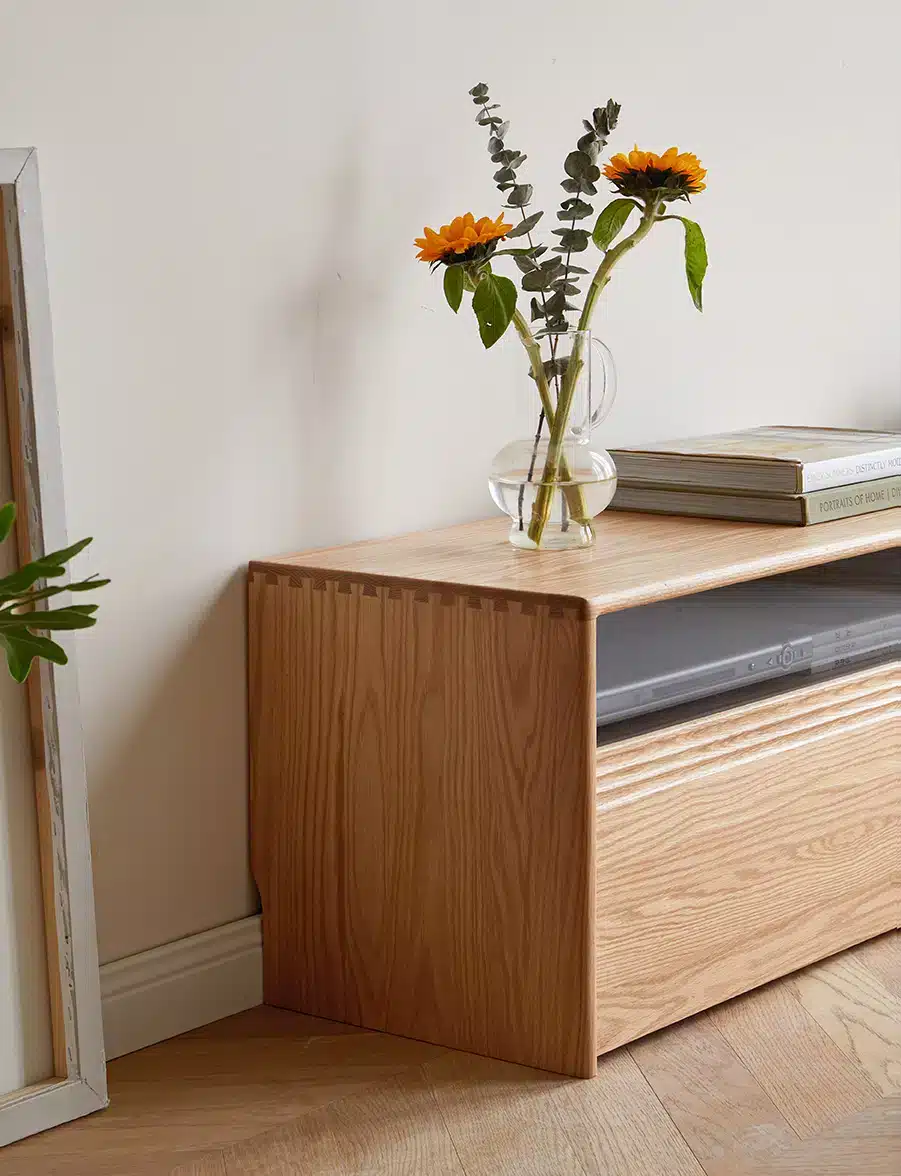
Any home exudes an elegant charm with wood floors, whether they’re crafted from luxurious oak or rich walnut. But their smooth surfaces can sometimes lead to the annoying issue of furniture shifting out of place, disrupting the aesthetic appeal and functional arrangement of a room. This movement can result from daily use, accidental bumps, or subtle vibrations. Learning how to keep furniture from sliding on wood floors is essential for preserving the beauty of your space and ensuring the safety of your household.
Understanding the Causes of Furniture Sliding on Wood Floors
Before preventive measures can be effectively put in place, the fundamental reasons how to keep furniture from sliding on wood floors must be understood. When polished, wood has a very smooth surface, which, combined with a recent finish or an application of wax, makes for a nearly frictionless situation. Even a slight pushing force will result in the movement of some items, especially under the categories of “lightweight” and “not-stable-when-leant-against.”
Day-to-day use is a major factor here, as the pulling out of chairs and the adjusting of side tables happen far too frequently for comfort, in my opinion, and are just too potent a combination of push and pull to be ignored. Heavy items are also more problematic than one might imagine: they shift around when you lean against them or when gravity has its way and they slide down a surface that’s too smooth.
Choosing the Right Floor Protection Accessories
To prevent furniture from moving, it is effective to select accessories specifically made to grip the floor without causing harm. Felt pads excel at protecting floors from scratch damage, but they might not always be the best choice for preventing sliding. Felt reduces friction, which is not what you want if you are trying to keep something in place.
Rubber or silicone furniture feet caps can create a much more secure hold, and are better, in my opinion, for preventing the kind of unintended movement that can lead to chipped woodwork or a busted coffee table. For heavier items like a sofa or a dining table, non-slip furniture pads with textured undersides can significantly boost stability.
Adjusting Furniture Layout for Stability
The very arrangement of furniture affects its inclination to slide, and if it is well arranged, it doesn’t matter how much someone tries to exert a force on it to get it to move; it is not going to slide.
And there can be a large amount of force that someone might try to exert. Furniture can weigh anything from just a few pounds to several hundred, so we’re talking about forces that can easily work up to several hundred pounds.
The way to work against that is to make sure that when you’re using any item that could exert force onto a piece of furniture, you’re using it in a controlled manner and not, for instance, heaving a rucksack onto the edge of something, which is essentially using it as a giant lever to try to get that thing to slide.
DIY Solutions for Extra Floor Grip
For people who like to tackle problems in a hands-on way, a number of creative, low-cost solutions are available to shore up the friction under furniture. One way to do it is to apply strips of non-slip drawer liner or rubber shelf grip material to the bottoms of furniture legs, to mimic the effect of store-bought sticky pads at a fraction of the cost.
You could also try it with small rubber-washer attachments at the foot of the leg, which seems to work just fine. Yet another way to do it: If you’re using primitive basic tools, just find something to grip the surface underneath without being too aggressive and without being too shy either.
Long-Term Maintenance for Wood Floors and Furniture Stability
After putting your chosen solutions in place, they now require maintenance to keep themselves effective. Check that pads, caps, or rug underlays remain securely in place and replace them as needed to ensure continued performance of what you might call your “anti-sliding” solutions. Clean the contact points between furniture legs and the floor. Dust and debris can create a slippery, low-friction layer that undermines your efforts.
When reviewing your furniture arrangement and protective accessories, pay attention to any space where they might be interfacing. If your preventive measures are successful, it should be a basic feature of your living space that friction is maintained at the contact points between furniture and flooring.
Recommendation
When looking for how to keep furniture from sliding on wood floors, it is possible to keep furniture from sliding on wood floors, and you can manage it in both practical and appealing ways. You can have a visually striking home environment where the appearance of your furniture and the design of your rooms make a fashion statement. You can have an inviting, safe space where you can live comfortably. And if you want high-quality, stylish furniture that works with wood floors and accessories that harmonise with wood floors and the furniture you put on them, check out the OAK Furniture Collection.
