

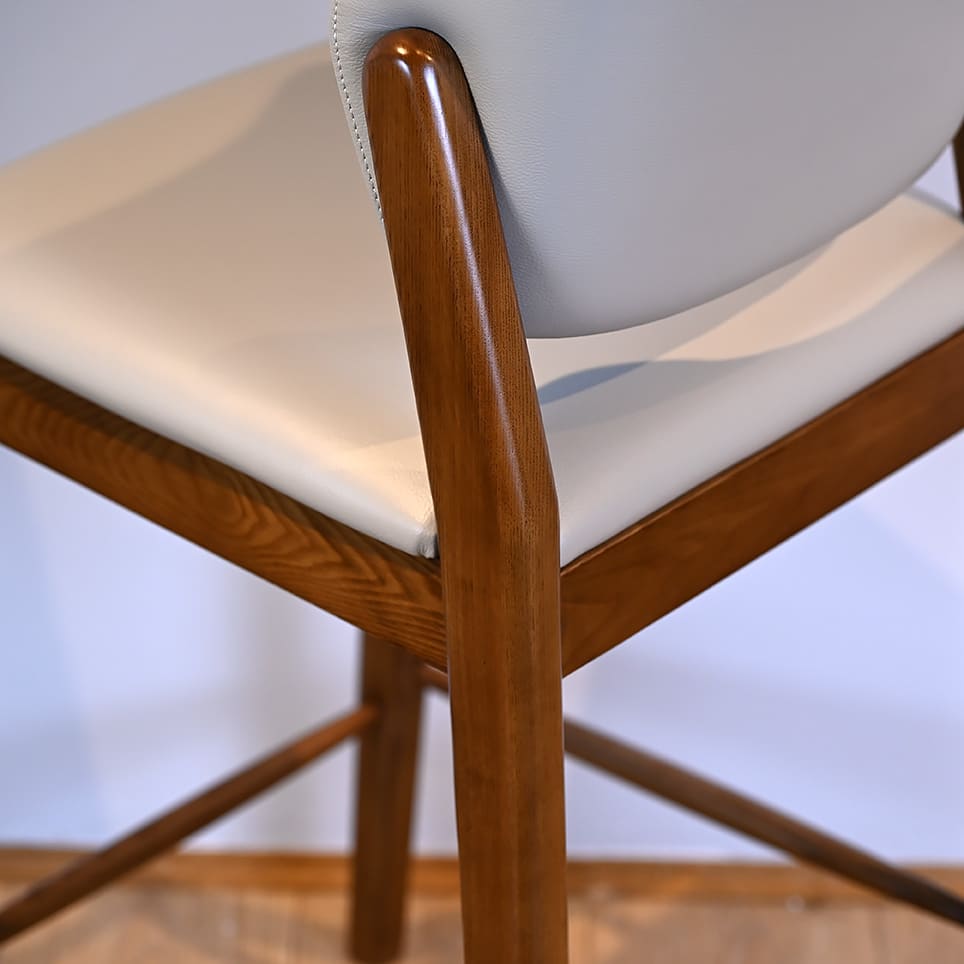
Mineral oil is sometimes applied to solid wood as a good thing since it assists in enhancing the looks and durability of the wood. What happens when you put mineral oil on solid wood is one of the key questions when people seek how to keep the aesthetics and reliability of wooden objects or surfaces. Mineral oil soaks into the wood and at the same time, it adds some moisture and protection while also bringing out the grain of the wood.
It is mainly employed on cutting boards, butcher blocks, and all other wooden items that must be maintained to avoid cracking as they dry. However, understanding the process of mineral oil on wood will be more beneficial than knowing when and when not to use the oil on wood.
How Mineral Oil Improves the Look of Wood
Mineral oil is thus popular for enhancing the exotic look of wood by deepening the shade of the wood and enhancing the grain pattern. Wooden furniture gives a luxurious, finished-off appearance that makes the wood look healthy and attractive.
This is especially good for lighter woods such as maple or birch, as it will bring out the grain and give it a richer colour. For such dense woods as oak and walnut, mineral oil is useful as it helps give the wood a more polished look and feel.
Avoiding Wood Dryness and Checks
The most important benefit of using mineral oil is that it helps wood not to dry out and crack over time. Wooden furniture is manufactured from solid wood which requires natural moisture to maintain its texture and colour, while dry climate or exposure to sunlight leads to the loss of that moisture.
When you apply mineral oil to the solid wood, it will fill this void with moisture and form a layer that seals it. Besides, it helps increase the longevity of wooden products and maintain their surface without developing cracks.
Mineral Oil as a Food-Safe Finish
Another major advantage of using mineral oil for solid wood maintenance is that it is food-safe. It is also very common for use in kitchen wares such as cutting boards, wooden spoons, and butcher blocks since it is not a health hazard.
When it is applied, it goes into the wood grain and forms a surface that is not only waterproof and stain-proof but also safe to use in food preparation. That is why mineral oil is more popular than other kinds of finishes for solid wood kitchenware among homeowners.
Advantages of Application and Maintenance
Mineral oil application, on the other hand, is one of the simplest processes one can undertake when maintaining solid wood furniture. Most often, the oil is carefully wiped onto the wood with a clean cloth and rubbed into the wood in the direction of the grain, then left to stand for several hours or overnight before any other process is carried out.
This makes it ideal for anyone who would like to protect their woodwork or household items with the least effort and cost of expensive products. This interior wood should be reapplied monthly to keep the wood moist and shielded.
Mineral Oil Limitations on Wood
Nevertheless, it is important to know that mineral oil has its advantages and disadvantages. For instance, it is not as resistant to scratching or abrasion as polyurethane or varnish. Mineral oil when applied to the solid wood goes through the surface but does not create a coat that is hard and protective.
Therefore, it is ideal for products that may not be subjected to much stress. However, mineral oil may require more frequent applications to provide adequate protection, particularly on highly permeable woods.
How and Why Oak and Walnut Should be Treated with Mineral Oil
Specifically, oak and walnut are the types of wood that can most effectively be improved with the use of mineral oil because both of them are dense and durable.
When applied to oak, the mineral oil brings out the grain and stands out even more than when it is not used. In the same way, walnut with its dark brown colour becomes more polished and luxurious when oiled.
In both cases, the oil serves to offer protection to the surface of the wood as well as compliments the natural beauty of the wood making it an ideal choice for use on such high-end materials.
Environmental Implication of Utilizing Mineral Oil
This is good news for those who worry about the side effects of their wood treatments on the environment because mineral oil is safe. It is obtained from petroleum distillation but is noted to be harmless when utilized in its correct manner.
Chemical finishes on the other hand are known to release volatile organic compounds (VOCs) while mineral oil is odorless and contains no such toxins. This therefore means that it is a good choice for indoor use, especially in homes with small children or pets.
Conclusion
In conclusion for the question: “What happens when you put mineral oil on solid wood?”, it is necessary to note that mineral oil is an effectively useful product for the care of solid wood products. Applying mineral oil to solid wood makes the wood look better, prevents the wood from drying out, and provides a safe solution for food contact items.
To find the finest oak and walnut furniture that should be washed with mineral oil from time to time, visit the OAK Furniture Collection. The selection of sturdy and beautiful wooden furniture item suits those who appreciate ageless design and low-maintenance furniture.
