

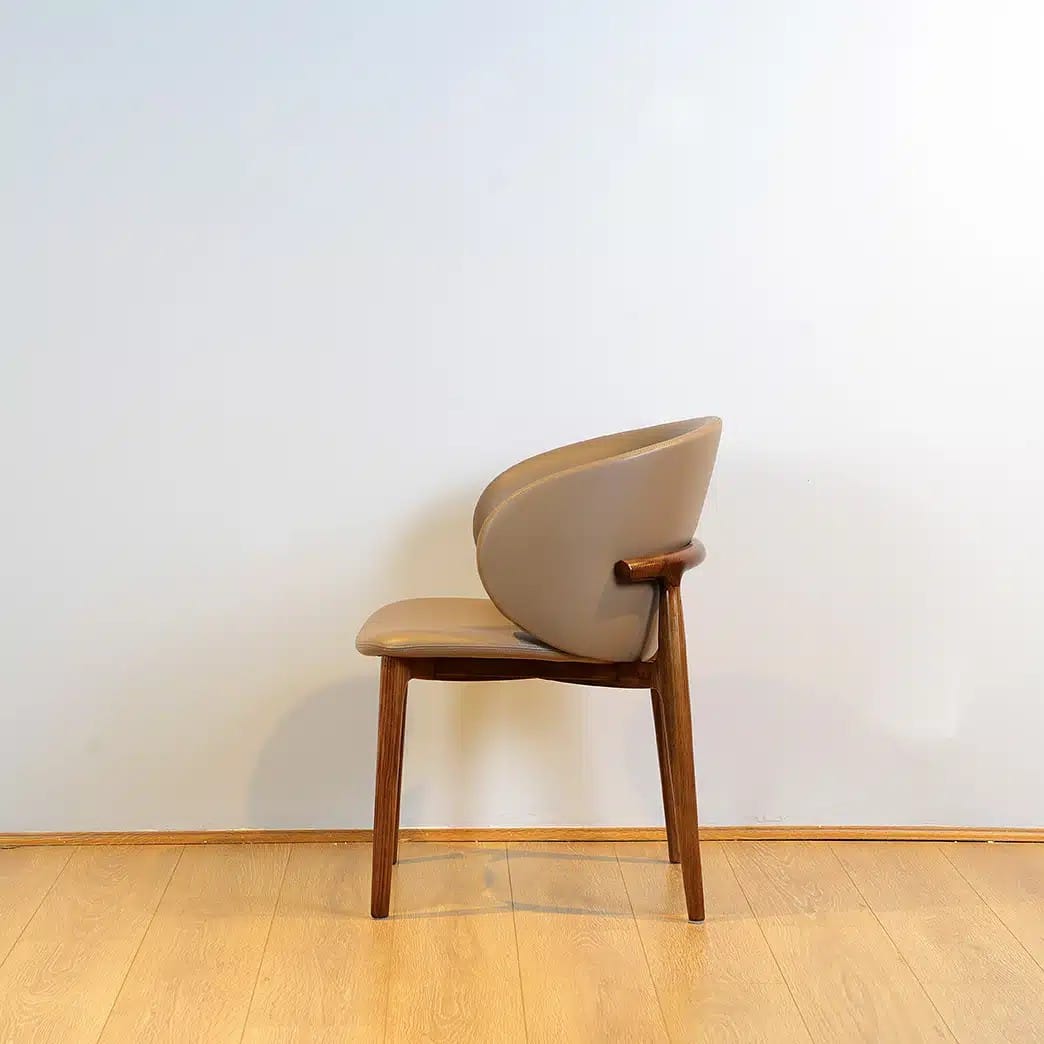
Leather chairs are classic examples of furniture that have been integrated into living rooms and offices, as well as dining rooms in homes all over the world, where their use adds beauty and functionality to the household. By learning how to fix the leather chairs, you will be well-equipped to revive worn-out furniture using simple, low-cost techniques that will not only maintain the quality of the material but also your investment.
The restoration of furniture is a slow and meticulous affair, but the results are so satisfactory that the effort to get there is justified.
Learning the Problems of a Common Leather Chair
Before undertaking any restoration exercise, it is always a good practice to first and foremost study your leather chair so that you can ascertain the exact problems that need to be fixed and the correct correctional strategies to use to ensure that you effectively rectify the same.
The typical issues are scratches of various depths, both surface scratches and deeper gouges, cracks due to dryness or exposure to other harsh environmental factors, fading due to sunlight exposure, stains due to spills or body oils, and peeling with bonded leather or poorly maintained true leather.
The knowledge of having a genuine full-grain leather, top-grain leather, corrected-grain leather, or bonded leather chair will make a significant difference in your repair choice and the choice of the product to buy.
Assembling Necessary Repair Materials
To cope with leather chair damage effectively, it is important to prepare the appropriate equipment and materials and begin with your restoration work to make sure that the process will run smoothly and yield professional outcomes.
The essentials are soft microfiber cleaning and application cloths, leather cleaner that is not designed to be used on automobile products, leather conditioner to replace the lost moisture and elasticity, repair compound or filler to fix deeper scratches and dents, sandpaper of very fine grain to smooth the repair, leather dye or color matching compounds, and protective finish or sealant.
Washing and Shining the Counter
Any successful leather chair repair starts by doing a good cleaning since it helps in the removal of the accumulated dirt, oils, and residues, which might hamper the adhesion of the repair products or give an uneven effect.
Put a little of a mild leather cleaner with water as per the manufacturer’s instructions, then moisten a microfiber cloth with the solution and lightly clean all the leather surfaces with circular moves with special attention to the parts that are seemingly dirty or discolored.
Wipe the chair after cleaning with a separate, damp cloth to ensure that no traces of cleaning product are left, and leave the leather of the chair to dry fully, taking several hours before doing the repair, because any moisture under the repair compounds may pose problems in the future.
Etching Scratches and Small Scars
When mastering how to fix leather chair scratches, there are several ways of repairing the leather chair based on the depth and seriousness of the damage that you are repairing.
In the case of light scratches on the surface, a leather conditioner and a small amount of massage on the affected region tend to reduce the scratches by re-hydrating the leather and letting the fibers swell a bit, which is known to close minor scratches.
Deeper scratches will need a leather repair compound that is of the same color as your chair and apply it with a palette knife or spatula, but filled up a bit to compensate for the shrinkage as it dries up, then left to dry completely in accordance with the product directions and then lightly sanded with fine-grit sandpaper to finish the surface and have it blend in with the rest of the chair.
Solving Cracks and Split Leather
Over time, a lack of moisture causes leather to become brittle and crack. Because this damage occurs deep within the material’s structure, knowing how to fix leather chair surfaces with the right conditioners and fillers is key to preserving your furniture’s longevity.
Wipe the cracked part with a clean cloth and leave to dry, then apply a flexible leather filler, which is specifically meant to repair splits and cracks, rubbing it deep in the damaged spots using a spatula and pressing hard to make sure that it penetrates the area.
When the filler has dried (a process that typically takes twenty-four hours), sand the repair over, and add leather dye to make it the same color as the rest, and do so in a series of thin layers instead of in one thick layer, which would crack or peel away with time.
Recommendation
To those who want beautiful leather seating that is a blend of excellent craftsmanship and furniture to last, OAK Furniture Collection has made a carefully selected choice of leather chairs with quality construction, which is resistant to ordinary damage and the timeless look of leather furniture to the Australian home that is well balanced with solid oak and walnut wood frames that support the structural integrity of the furniture throughout its use.
