

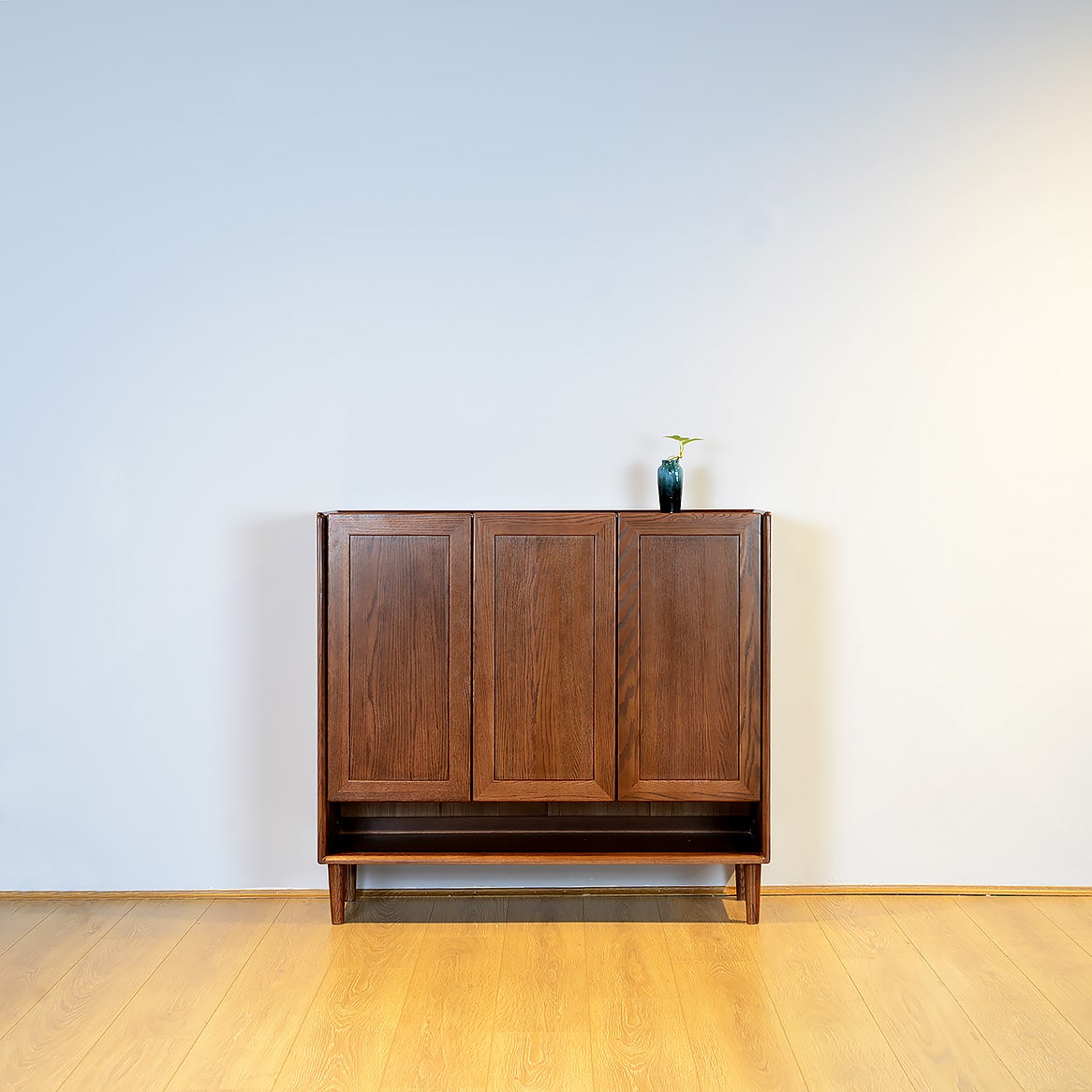
When working on any project related to wood—be it refinishing vintage furniture, staining new cabinets, or applying a custom wood accent—using the right kind of stain is critical. One of the most fundamental choices you will make concerns selecting between gel stain vs wood stain, as each brings its textures, styles, and application techniques to the table. What Makes
Gel and Wood Stain Different?
The most obvious difference in gel stain vs wood stain is their consistency and how they behave when they meet wood surfaces. Gel stain is thick—almost pudding-like—and very easy to apply evenly. Because it doesn’t run or drip, it’s the perfect medium for applying stain to vertical or irregular surfaces.
Traditional wood stain, on the other hand, is very watery. It penetrates deep into the wood, enhancing the grain almost to the point of overkill. For projects that require a strong grain expression, especially on bare wood, nothing beats a good old-fashioned wood stain.
Application Style and Surface Suitability
When comparing gel stain vs wood stain, the application method plays a big role in the final result. Gel stain mostly rests on the surface, giving it a more controlled and predictable appearance, and works excellently on previously finished wood, fiberglass, MDF, and other non-porous materials.
Traditional wood stain, however, requires an open-grain surface that allows it to penetrate properly, making it ideal for raw or sanded hardwoods and softwoods. Traditional stains react strongly to wood grain variation, producing very different results depending on how the wood has been cut and finished. In contrast, gel stains, such as gel stain vs wood stain, can produce more uniform coloration across a range of materials.
Best Use Cases and Project Scenarios
Each stain type is suitable for specific use cases. Gel stain is preferred when you need an even, blotch-free finish on surfaces like doors, cabinets, and veneered furniture. It also offers better coverage on woods that don’t absorb well, such as pine or maple, and is ideal for DIY refinishing. Meanwhile, traditional stains are better suited for new wooden builds, floors, or custom-made items where deep grain enhancement is desired.
When working with hardwoods like oak or walnut, both stain types perform well, but Traditional stains often yield richer and more natural depth: control, color consistency, and mess factor. Ease of use is another point of contrast in the gel stain vs wood stain debate.
Gel stain offers beginners more control during application since its thicker texture prevents oversaturation and blotchiness. It spreads more like paint, allowing layer buildup for consistent coloring.
Traditional stain, by contrast, requires skill in application and preparation, as its thin consistency can result in streaks or uneven patches if not properly managed. However, the payoff is a more dynamic and authentic finish, where the grain contributes significantly to the overall look.
Differences in Durability and Maintenance
Even though both kinds of stain need a top coat to protect them, in gel stain vs wood stain, gel stains make a thicker surface layer, which resists scratching and moisture better. Because gel stains sit on top of the wood, they are easier to touch up.
Regular stains, which penetrate the wood, give a coloration that lasts much longer. They also age beautifully, especially when sealed with an oil or water-based finish. For household furniture or cabinetry that gets daily use, either option can perform well as long as it is sealed.
Visual Impact and Layering Techniques
One of the key aesthetic differences in gel stain vs wood stain lies in how each one affects color tone and transparency. Gel stains provide a more opaque finish, though they sometimes mimic a painted look when applied in multiple coats. This can help in hiding flaws or inconsistencies in the wood.
Traditional stains are more translucent and allow the character of the grain to shine through and contribute to color richness. However, this transparency also means that color matching between different wood types may be trickier with traditional stains.
Preparation, Drying, and Safety Tips
No matter which stain you select, the key to success lies in preparation. Clean, sanded surfaces that are devoid of previous coatings yield the best results. If you choose to work with a traditional stain, apply it with a brush or cloth and wipe it clean after a few minutes.
Gel stains, on the other hand, demand more time due to their thickness; they might even dry in a fashion reminiscent of paint. Make sure you have proper ventilation during application, for both types of stains might be loaded with solvents. Don’t skimp on personal protective equipment like gloves or goggles. Also, work smart and use drop cloths to keep your workspace (and yourself) neat.
The astute completion of furnishings and custom wooden articles can only proceed when the worker understands the behavior of every kind of stain. Furniture and woodworkers must choose their stains with both long-range and short-range considerations in mind. Where is the finished piece going to live? How much service is it going to see? And how much prep and maintenance does the worker want to invest? Both stains can produce beautiful finishes, but working within their limitations and knowing their strengths can help ensure consistent, attractive results.
Recommendation
Anyone looking for expertly coated pieces of stained wood that beautifully flaunt the strong points of both types of stain should check out the OAK Furniture Collection, where the benefits of gel stain vs wood stain are put to good use. Not only are these pieces well-made and good-looking, but every bit of evidence we found suggests they’ll be around long after we’re gone. Explore their selection to find finely crafted, long-lasting pieces to suit every room in your home.
