

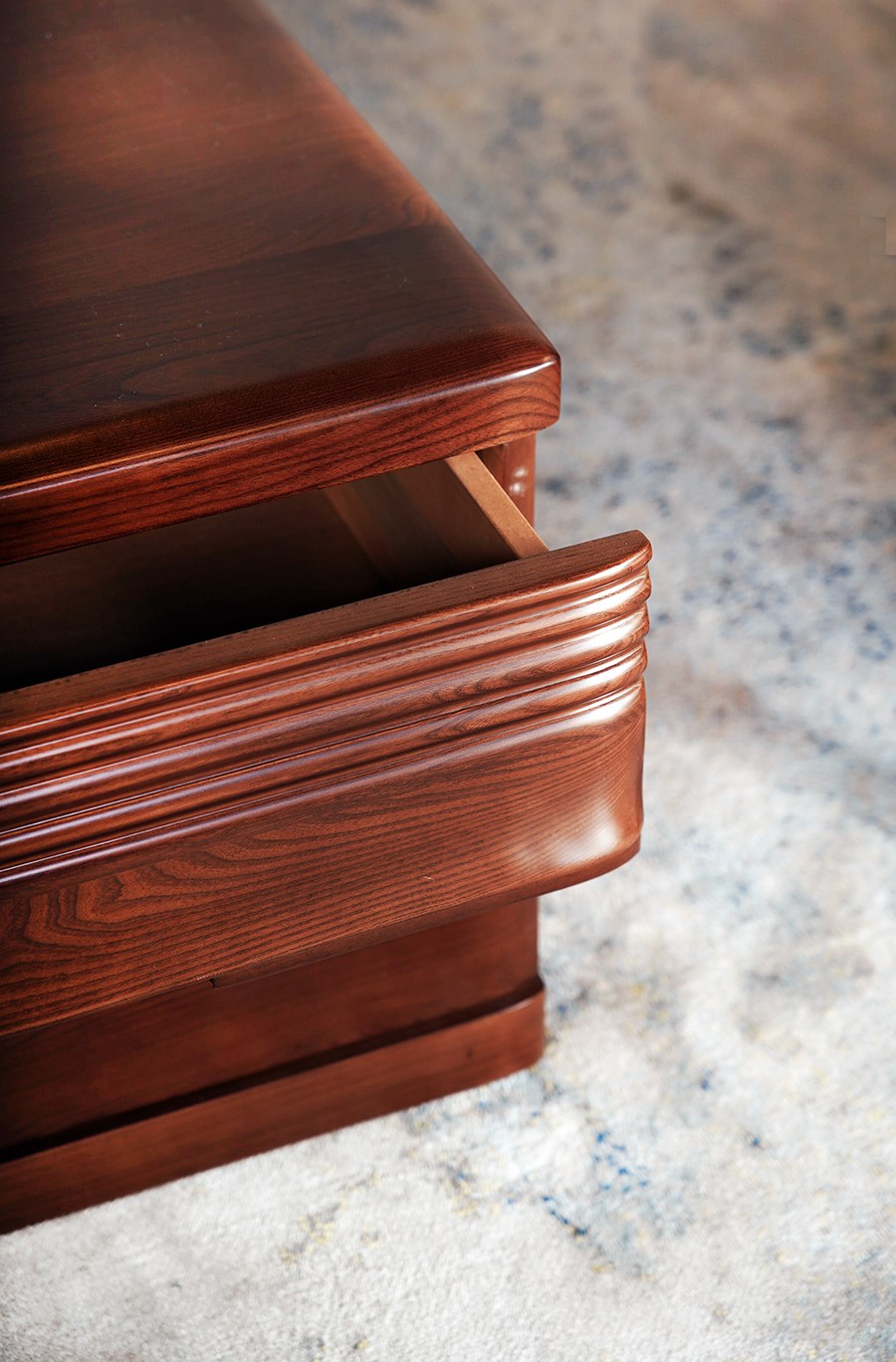
If your next DIY project involves sanding and staining wood of your beloved furniture piece, then read our complete guide on how you can restore its look.
A furniture piece that has spent a lifetime with you deserves a revival, and this is exactly what sanding and staining wood of your furniture does. Sanding can bring back the original look of that table or wooden chair that came at the time of buying. Staining can give it a completely new look, and you can save a significant amount of money. So, how do we do this? Let’s get your prep and walk you through the process without making mistakes.
1. Prep Work
Before you start, gather the core materials: stain, clear coating, and sandpaper. For your equipment, you will need a brush, vacuum, foam sanding block, oscillating sander, microfiber staining pads, screwdriver, a microfiber and tack drop cloth, and an empty 1-quart paint pail. Also, choose a ventilated area (not too breezy to avoid dust) and place plastic sheets below the furniture piece. For sanding, you will need to have fine grit (220+), medium grit (120-150), and coarse grit (80-100).
When selecting stains, you might find the ones which are oil based as they are most commonly available and used due to their cheap price. It is great for hardwoods like oak, but with softwoods (pine, fur, and pretty much any inexpensive), go with gel stains as they are thick and give you a more-even stain appearance on the piece but they are pricey.
Then, there are water-based stains, which are even more expensive and require many applications as they are not easily absorbed but give a much better result. Most people go with gels and oil-based stains when carrying out sanding and staining wood of their furniture.
2. Sanding
Before this step, remove all parts not to be sanded, if any. Once done, start standing in an up-and-downward direction with your sandpaper. After this step, use a vacuum brush and tack cloth to remove all the wood dust. Check if it’s clean or not with a microfiber cloth.
Many people think that skipping sanding won’t matter much, but trust us on this: don’t skip sanding. The difference between stained wood that was not sanded and wood which is properly sanded is very much visible. Don’t do that.
3. Staining
Next, replace the previously used plastic sheet with a fabric dropcloth and place the piece on scrap pieces to get a better elevation for staining from the bottom. Use screwdrver to open the stain can (wear latex gloves) and stir the stain using a paint stirring stick and then pour it into the empty 1-quart paint pail.
Now, use your microfiber staining pad to stain your piece and avoid excessive application by just dipping part of the pad and squeezing out excessive stain. Your direction of staining should match the direction of the wood grains. This is the important part: to get an even application, remove excessive stain by going back and using a fresh microfiber pad or cloth. Both these steps will give you a professional visual result. Let your piece dry out for a few hours.
To give your piece protection, use clear protective coating in the form of water- or oil-based polyurethane spray but pay attention to drafts on your piece. Spraying should be done only on area free of drafts as they can create overspray. If you do get overspraying then it can be gently fixed with the use of gentle application of #220 sandpaper to smooth it out. Some people also use wax or linseed oil, which is harder to manage as compared to sprays.
Whether DIY or done by professional wood makers, sanding and staining wood is great for enhancing the natural beauty of furniture pieces that have aged over the decades. High-quality wood pieces like the Vento Bookshelf from Oak Furniture Collection showcase how the above techniques, when done right, can make a piece of work of art. If you are not into DIY, then replacing your aging pieces with pieces like Vento and many others is worth investing in.
Also, it’s a good idea to always make a test sample of your planned stains and finishes before you ruin your beloved furniture piece, which was with you and your family for decades. Better be careful than have a disaster sitting in your living room. To do this, you can make a test sample that is similar to the wood of the furniture you are working on.
