

Imagine settling in to work on your laptop or unwind—only to be pulled out of your groove by a relentless squeak with every move. Even the coziest space can turn frustrating fast: that annoying noise doesn’t just shatter your focus, it distracts everyone around you, too. Whether you’re tackling tasks at home, cramming for an exam, or just craving a moment of calm, that persistent squeak only gets more grating as time goes on. The first step in knowing how to stop a squeaky chair is to find out what causes the sound, and in most cases, it is due to one of the loose joints, worn-out parts, or friction of the moving parts that has worn off over time.
Determining the Origin of the Squeak
When trying to make any repair, it is crucial to identify the point at which the squeaking is being produced, as there are numerous points where chairs can cause trouble, such as the seat, the backrest, armrests, the wheel casters, and the pivot of the connection between different wooden or metal parts.
Sit in the chair and rock in various positions, aware of how the sound is produced to know whether it is produced at the base, the mechanism of adjusting the seat, or at the upper parts of the chair where the back contacts.
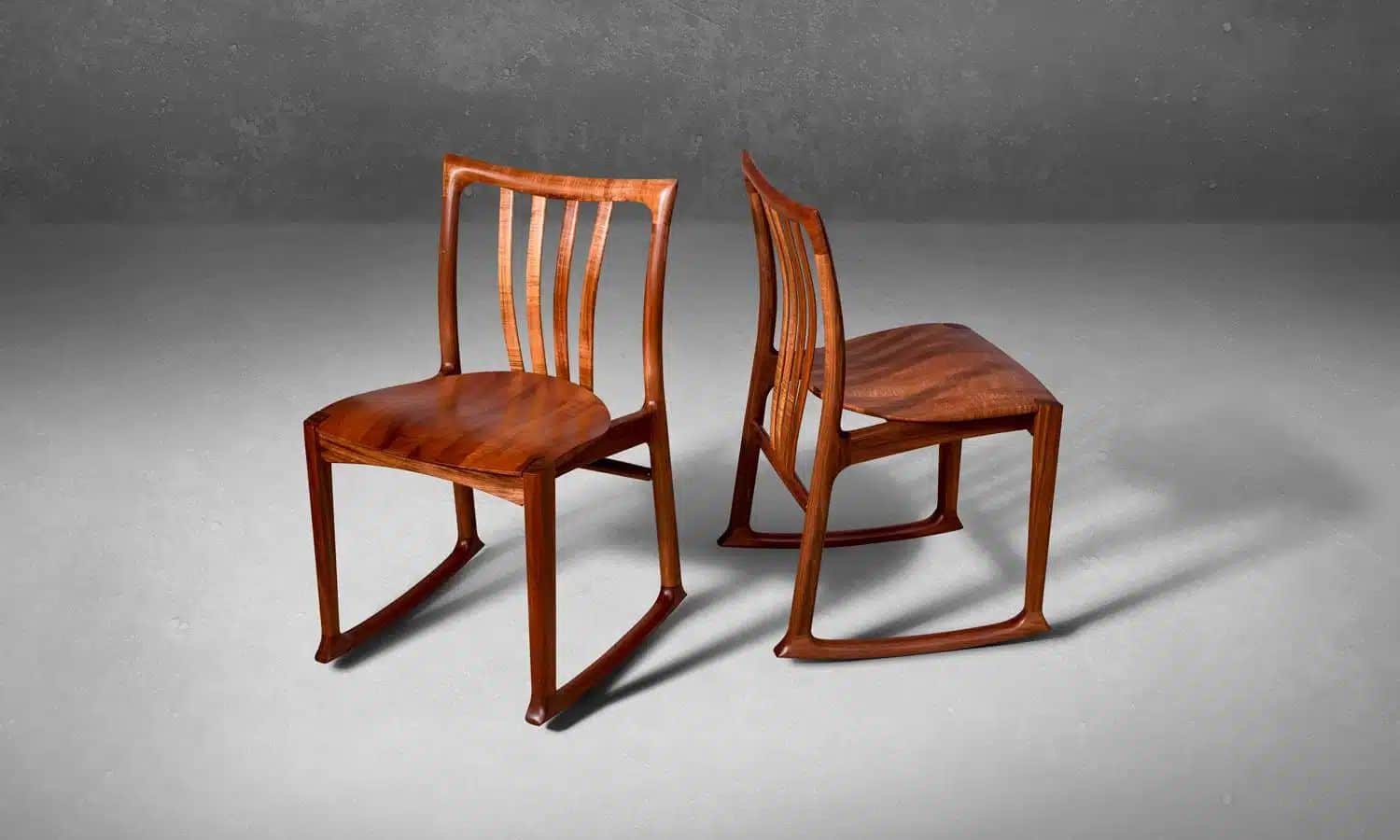
In the case of wooden chairs, especially chairs made of wood such as oak or walnut, the connective joints of the pieces are usually the culprits since these natural materials swell and shrink with the change of humidity, and eventually the looseness of the connection is noticed as time passes.
The office chairs that have gas lift cylinders and swivels have their own challenges because the squeak can be a result of the hydraulic system, the tilt mechanism, or the bearings that allow the swivel. You will save yourself a lot of time and effort by spending a few minutes isolating the exact area where the noise is occurring, and you will not have to do the fixes in the areas that are not actually the source of the issue. And, you will be sure that the fixes that you are making are in the correct components.
Tightening Slack Screws and Bolts
The first and simplest cause of chairs squeaking is that of loose fasteners that have been loosened through constant use and constant pressure exerted on the parts of the chair in everyday sitting. Systematically screwdriver or Allen wrench check each visible screw, bolt, and fastener on your chair, being very careful to look in the areas where you have traced the source of the squeak.
In cases of loose hardware, screwing it firmly will prevent it from stripping threads or cracking the material around it, but over-tightening will cause damage, and it should not be fixed too tightly or too much, especially in wooden chairs, where the excessive tension can separate the grain or break the joint.
In chairs that have wooden frames made of wood (oak or walnut), be physically careful in tightening screws that directly interface the wood, as these more delicate connections are more susceptible to breakage than metal-to-metal connectors in office chairs.
Once all the fasteners are tight, retest the chair to detect whether the squeaking has reduced or completely vanished now, and if the noise is still present, then you know that the problem is in other areas and should be treated using alternative means.
Lubrication of moving parts and joints
In teaching how to stop a squeaky chair, the use of the right lubrication on the moving parts and in the points where frictions occur is one of the best remedies, as the metal-on-metal or the wood-on-wood contact is completely removed, thus avoiding the annoying noise.
When dealing with office chairs that have mechanical pieces, spray a tiny bit of silicone-based lubricant or WD-40 onto the springs, tilt frame, swivel plate, and other joints of the chair, and move the chair through its full movement cycle to rub the lubricant into all the crevices and connections.
Dining chairs and accent chairs made of wood are not subject to the same treatment, and furniture wax, beeswax, or special wood lubricant is preferable to petroleum-based products, which may damage or discolour the finish over time.
In wooden chair cases, a joint of the joints may have to be disassembled a little to put the lubricant directly onto the surface of the joints, so that the wax or oil starts to penetrate to a sufficient degree, to remove friction between the fitted parts.
If you’re dealing with stubborn squeaks that won’t quiet down even after lubricating, start by cleaning away any old, dried lubricant or built-up dirt—this gunk can actually make the squeaking worse than before. Once it’s clean, apply a fresh coat of lubricant, and the noise should subside.
Strengthening of Weaknesses to Joints and Connections
Old chairs that have been in service for many years can be found to have structural weaknesses that make them squeak even after tightening and powdering, and thus the structural weakness needs a more permanent fix to ensure it becomes stable and quiet.
Traditional types of wooden chairs with older forms of wood joinery, like mortise and tenon or dowel connections, might require the reapplication of wood glue, where one can carefully part the joint, remove all the old dry glue, apply new wood glue, and hold the pieces together until the glue has completely dried.
In the case of chairs where total dismantling is not possible or desirable, injecting wood glue with a syringe or thin applicator into any gap between the pieces, and then working the joint a little to spread the glue before clamping or weighting it during the drying period.
Long-term silencing of Preventive Maintenance
Instead of waiting until your chair starts to squeak in all the wrong places, a routine of regularly maintaining your chair will keep your seating comfortable and silent and increase its overall lifespan by a significant margin.
Have a complete check on all parts of the chairs after every few months, to ensure that there are no loose fasteners, wear and tear, and where lubricants have worn off or require re-lubrication to achieve optimum performance.
Keep your chair looking fresh and quiet by sticking to these simple cleaning habits:
- Vacuum cloth upholstery regularly to suck up crumbs and dust;
- Use a cleaner formulated for leather or vinyl on those surfaces (avoid harsh products that can damage the material);
- Dust wood parts thoroughly—this prevents debris from building up in joints and moving mechanisms, which is a common cause of squeaks from friction.
Recommendation
To people who believe that their squeaky chair has outlived its affordable existence or want to invest in a new piece of furniture that is intended to keep them happily seated and focused on work over the long term, OAK Furniture Collection presents a wide range of carefully designed chairs and seating options that are manufactured to serve them with years of cozy and quiet service, and provide a complete guide on how to stop a squeaky chair.
