

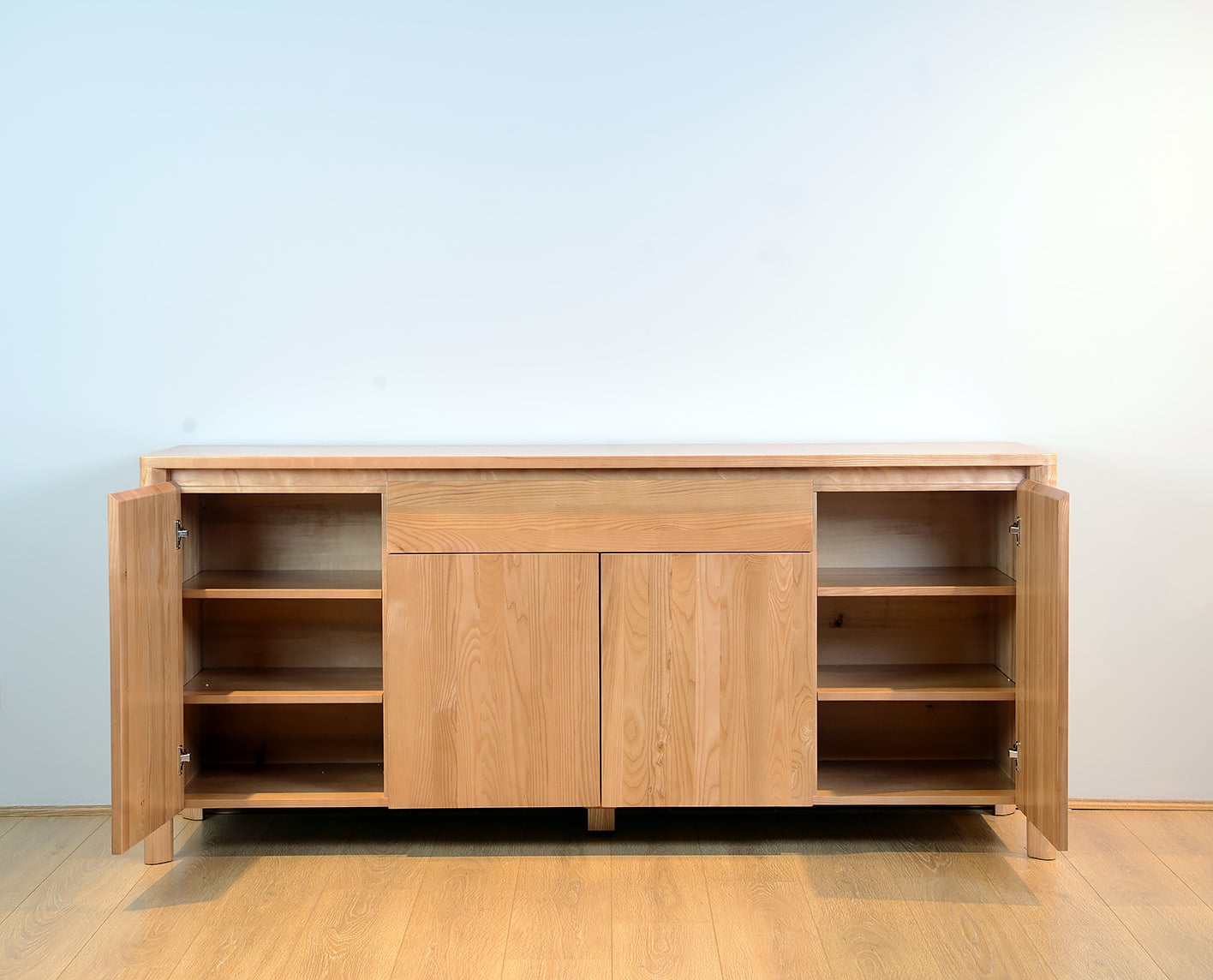
Is mold on wood furniture dangerous? No matter the age or style of wooden furniture, it brings a certain warmth and refinement to any part of a home. Yet it also carries the potential to harbour mold, which can put the occupants at risk. Wood, in and of itself, isn’t a good mold food source. But when the conditions are right and wood is improperly sealed, it becomes a fine candidate for mold infestation.
All that’s required is an extended period of exposure to elevated humidity (over 65 percent relative humidity) or wet conditions; a population of mold spores that is everywhere in the environment; and a suitable temperature, which for most molds is 60 to 90 degrees Fahrenheit.
Health Hazards Associated with Mold on Furniture
When discussing “Is mold on wood furniture dangerous?”, one of the most urgent reasons not to overlook the appearance of mold on wooden furniture is the potential health hazards it may cause to people who are especially sensitive to the kinds of airborne allergens and spores that certain molds and their mycotoxins can give off.
When mold is allowed to grow on wood surfaces, it will almost inevitably send out microscopic spores into the air that, if breathed in, can trigger all kinds of respiratory problems. Some individuals may experience mild symptoms like chronic coughing or incessant sneezing, while others could suffer full-blown asthma attacks or severe skin irritations.
The mold spores themselves are very light and buoyant, allowing them to float around in the air and making it easy for people to breathe them in. They also tend to congregate in places where the ventilation is poor, like back in corners and under furniture with super-tight clearances.
Structural Damage to Wood Furniture Over Time
Mold is a nuisance that can lead to some significant health concerns, especially for people with allergies, asthma, or weakened immune systems. But even beyond the health impacts—serious as they are—mold poses a potent risk to the structural integrity of wooden furniture in your home. Mold is not just a nasty-looking surface problem.
Once it starts appearing, it means that the wood’s environment is favourable for decay. Mold, as well as the mildew and other fungi that are often found with it, are wood-destroying organisms. They break down cellulose and lignin, the building blocks of wood, and they do it in such a way that the harmful effects can go on silently for years.
What’s worse, mold and its buddies are weaklings when it comes to breaking wood down; they generally work on the soft, spongy stuff inside the wood. When the question arises, “Is mold on wood furniture dangerous?”, this means that wood furniture with mold growing on it may look okay for a long time, but may not be safe to use.
Detecting and Preventing Mold on Wooden Furniture
To keep mold from forming or spreading on wood furniture, especially in homes located in high-humidity regions or those with insufficient airflow, requires proactive, consistent maintenance strategies.
One key method involves using dehumidifiers and ensuring that air circulation is adequate in every room, especially where wooden furniture is placed near walls or in corners that get poor light and airflow. Ecleaning the wood with light, wood-safe cleaners regularly, and being alert for any musty odours or unusual discolouration, can help catch mold before it has a chance to become a full-blown hazard.
Another basic but effective strategy for wooden pieces is placement—keeping them away from damp floors, windows, and AC vents that can create localised condensation. If mold is detected, swift action—using natural antifungal agents like vinegar, or wood-safe specialised mold cleaners—can help prevent it from becoming a deeply rooted problem.
When to Replace or Professionally Restore Furniture
Cleaning and regular preventive maintenance can usually keep mold at bay. However, if mold has been allowed to flourish for too long, it may have seriously compromised not just the appearance but the strength and safety of the furniture as well. This is especially true if the furniture in question has been made from wood.
In that case, it’s wise to consider either replacement or professional restoration. The latter can be done by people who specialise in salvaging and restoring wood furniture, including affectionate family heirlooms and priceless antiques.
If the furniture has made it this far into its infestation, that’s this serious; however, invest in a replacement. The bad kind of mold (especially black mold) on wood furniture can pose a serious risk to your family, and moldy wood furniture is not something you want to retain in a healthy indoor environment.
Choosing Mold-Resistant Furniture Options
For those wanting to invest in furniture that will resist mold, while at the same time be stylish and durable, the most important determinant of long-term safety and performance is the choice of wood and finish.
While solid hardwoods like oak and walnut rank high in mold-resistance potential, they are not immune to mold if neglected or subject to excessive humidity. Significantly, modern furniture-building practices result in the application of built-in moisture barriers and low-absorption finishes that effectively reduce the mold risk.
When purchasing furniture and asking, “Is mold on wood furniture dangerous?”, it’s wise to consider the type of wood used, the mold-preventive treatments applied, and whether any of these processes could affect indoor air quality.
Recommendation
To provide health protection and enduring durability in your home, the OAK Furniture Collection offers an outstanding selection of well-crafted solid oak and walnut pieces that, thanks to the careful work of skilled finishers, resist the kind of mold buildup that can—and often does—occur under everyday household conditions. For anyone wondering if mold on wood furniture is dangerous, a good first line of defence is to furnish your space with OAK. The assurance quality imbues the range with the ability to serve modern living, where comfort and cleanliness go hand in hand.
