

Read our take to learn essential factors when considering furniture for restoration, as we have covered factors to consider so that you can make informed decisions.
Restoring a damaged or worn-out piece of furniture is a rewarding process; some want to do it for fun, some have sentimental value attached to them, or some men just enjoy the process of restoring stuff all by themselves. We understand that very well because everyone loves the feeling of achievement with their beloved furniture by bringing it back to its glorious new state, but before you commit to a furniture restoration project, there are a few things to consider.
1. How old is your furniture?
This is the tricky part: the age of the piece you are restoring is a significant factor in whether to restore or leave it. For example, a hundred-year-old piece can be worth restoring, as it will have a lot of value considering how much history (or emotions) it is attached to. Such furniture is usually made from solid wood with extreme craftsmanship to make it survive for decades. Having said that, even having such a historic profile is sometimes not worth restoring, as they might not always be made in a way that makes it worth reupholstering.
Also, some pieces don’t even fit in with today’s retro and classic looks, so blending them in your house with a new modern design will be challenging, unless you like variety or your house is just full of old-fashioned pieces. In contrast to old pieces, newer furniture can easily be restored as all the materials used in it are readily available, and the piece also might not be at a point of no recovery.
2. Material Type:
The furniture you are eyeing to restore should be made with solid woods like walnut, oak, or cherry; all of them are usually worth restoring. Why? Well, they are all very well known for maintaining their integrity when the usual repairing activities are done on them, including sanding, refinishing cuts, and general repairing of interconnected parts in a furniture piece.
3. Integrity of the Piece
Always check the main frame and large structures to see if they can still hold the entire structure. Move it with a gentle push to check from where it is wobbling and inspect all movement or unsteadiness. If there are any damaged parts, which are essentially the “foundation,” then you might be better off not considering this piece.
For example, in the case of a sofa or couch, you might have to check its main frame, the material used to make it, and whether it is secured with dowels & glue rather than common staples. Simply picking up the sofa will also give you an idea of whether it is made from solid wood; if it is, then it’s a good sign. If the frame isn’t heavy or there are potential big repairs that will essentially change the foundation of the piece, then it’s too labor-intensive, and you might want to skip it.
4. Repair Cost vs. Cost of New Piece:
Another important factor here is the difference in the price of a similar new piece and the one that needs to be fixed. Generally, the price of restoration work should not exceed thirty percent of the price of the new one; the lower, the better. This cost will generally include the price of materials to be used in repairing along with tools and labor, of course.
Surface restoration usually involves scratches and minor wear and tear that can be managed with simple sanding and other refinishing techniques that are rather rookie work. But dealing with structural damage or even severe damage on the surface, like deep gouges or water damage, will cost significantly more and also require a better skill set. Always check if you have one; otherwise, a repairing effort can turn into a disaster.
5. Sentimental Value
Then there is sentimental value; no matter how much the cost and troublesome the repairing job is, if there are sentiments attached to it, then all of the above points to consider won’t matter at all. If a piece is a family heirloom or is attached to beautiful memories you made in your lifetime, then no cost or effort will keep you from fixing that beloved piece of yours. Go for it then.
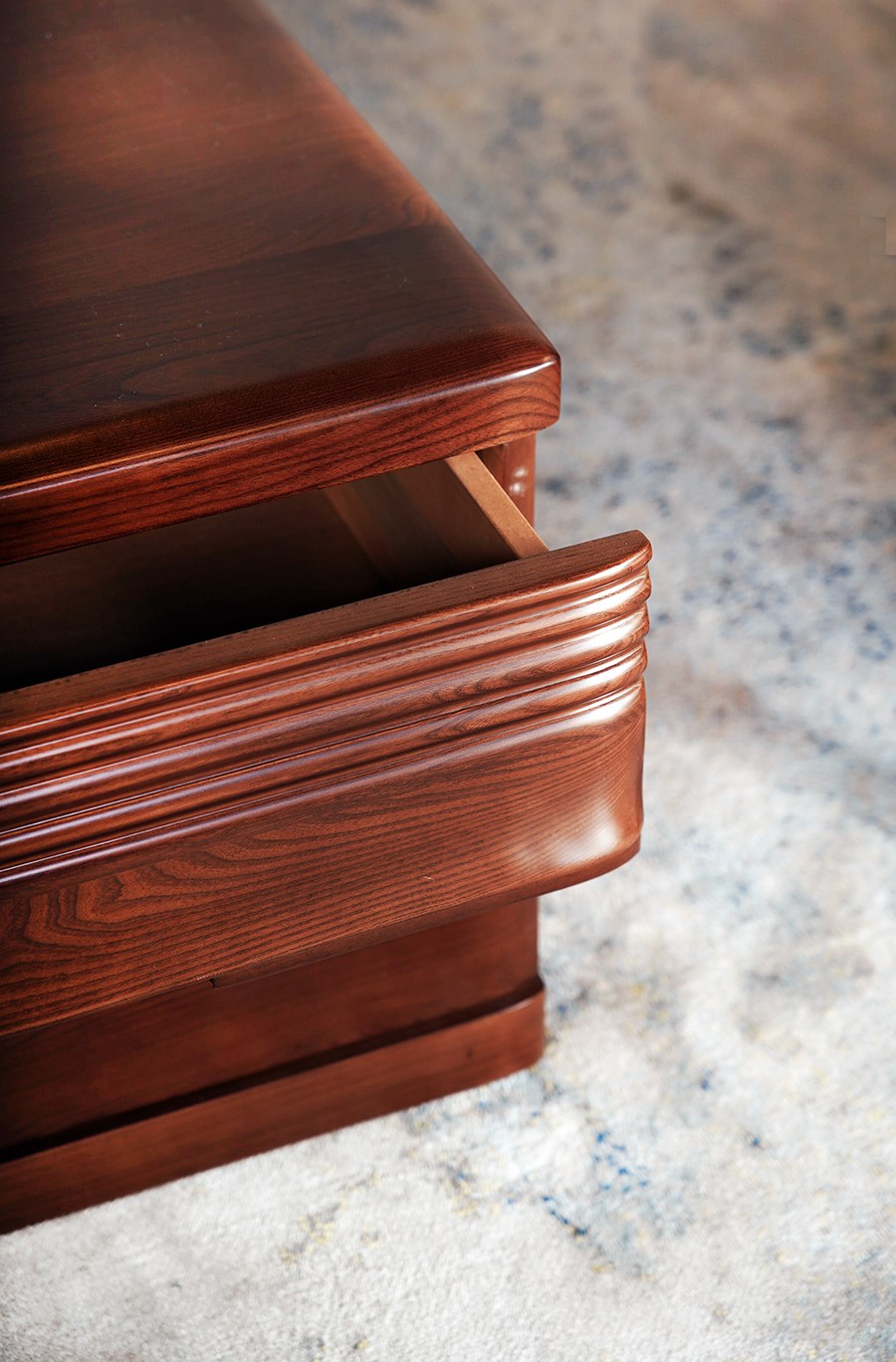
The Arden Furniture Collection from Oak Furniture Collection is designed to be such furniture in your home that is guaranteed to last for generations and will surely earn a sentimental value from you. Made with ultra-premium elm and ash timber, the clean lines and timeless finish on these pieces blend them into any living space. The entire collection is a worthy investment that adds both style and functionality and is worth considering for your home.
