

Designing an adequate furniture layout in a long room is a special design issue, where the planning and location of objects should be considered carefully. The design of a long living room layout would require attentive attention to traffic, aesthetic symmetry, and functionality in order to turn what can be perceived as a clumsy room into a comfortable and unified one.
It is all about knowing how to divide the length and, at the same time, creating a feeling of togetherness all across the room. Professional designers usually suggest separating these spaces into different zones with certain purposes that are followed at the same time, without leaving one zone without a transition to another.
Space Dimensions at the Office
The measurement of your room before deciding the type of furniture to use and how to use it is the basis of any successful design project, since the correct size would inform every other decision that concerns size, proportion, and functionality. The long rectangular rooms are usually over twice the width and create a tunnel effect, which may be overwhelming without care and well-considered placement of the furniture.
Understanding the relationship between length and width makes it easier to determine how many seating areas can fit without overcrowding the space or compromising walking paths and visual openness. Natural light, the building’s design, and the placement of electrical outlets are also crucial factors in planning the optimal layout for a long living room in your home.
Creating Functional Zones
The potentially troublesome space is turned into a multi-purpose oasis that can accommodate different activities during a day by dividing your long space into separate functional regions and preserving the flow and visual continuity.
It is always better to create a central sitting space towards one side of the room, probably a focal point such as a fireplace or entertainment center, and then a secondary sitting group or reading area at the opposite end to make the most out of the room.
A natural room divider can be a console table or a bookshelf perpendicular to a long wall, which will not entirely block the line of sight, but will help define the different spaces without making long rooms feel crowded.
Optimal Furniture Positioning
The layout of major furniture is what dictates the difference between a long living room layout that is balanced, welcoming, and appealing, and one that is clumsy and detached, and because of this, placement decisions are some of the most important elements in the entire design process.
Place your largest seating furniture, which could be a sectional sofa or a bulky three seater, on one of the long walls and not in the center, which enables a greater traffic movement and solidifies the main conversation space.
Enhance the main seating area with angled chairs or smaller loveseats to create intimate groupings that encourage face-to-face conversation, rather than the theater-style arrangement where all furniture faces the same direction.
Integrating Storage Solutions
Long rooms, in most cases, also offer great possibilities of including extensive storage facilities that can also be aesthetic features, as well as fulfill practical organizational purposes in the entire living space. The shelving, which is built on one wall, is aesthetically pleasing and offers space to display books, art, and other objects that make the room look nice and cozy without overcrowding it.
Low-profile storage ottomans or benches may be combined with additional seating during an entertainment event and when storing blankets, games, or other objects that need to be visible, but not messy, in addition to a clutter-free ambiance, which adds to the spacious effect of the room.
Lighting and Visual Flow
This is particularly necessary when a layout design of the long living room is considered because insufficient illumination may create dark areas that will make the living room appear divided and unappealing instead of integrated and friendly.
Provide various layers of lighting in the entire room, which can include ambient lights over the whole room, reading lights in the reading corners, and accent lights that accentuate the architectural aspects or paintings that attract the eye as one goes down the room.
Table lamps, positioned at varying heights and locations, create pools of warm light that define different zones and enhance both the ambiance and functionality of each area within a larger space.
Color and Pattern Strategies
Helping to coordinate the design of very long living room layout plans, visual continuity can be achieved with smart choices of color use and patterns distribution to avoid the impression of a choppy and haphazard space, though divided into separate functional zones.
Select a unifying color scheme that runs throughout the rest of the room with different shades and intensities of a single color scheme to give a sense of depth and interest, but without making it so that there are distinct breaks between different zones or areas.
Patterns should be introduced in a managed way by either textiles, artwork, or ornaments in a way that will direct the eyes on a straight path on one side of the room without messing up with a bunch of busy patterns that will cause confusion to the eyes.
Recommendation
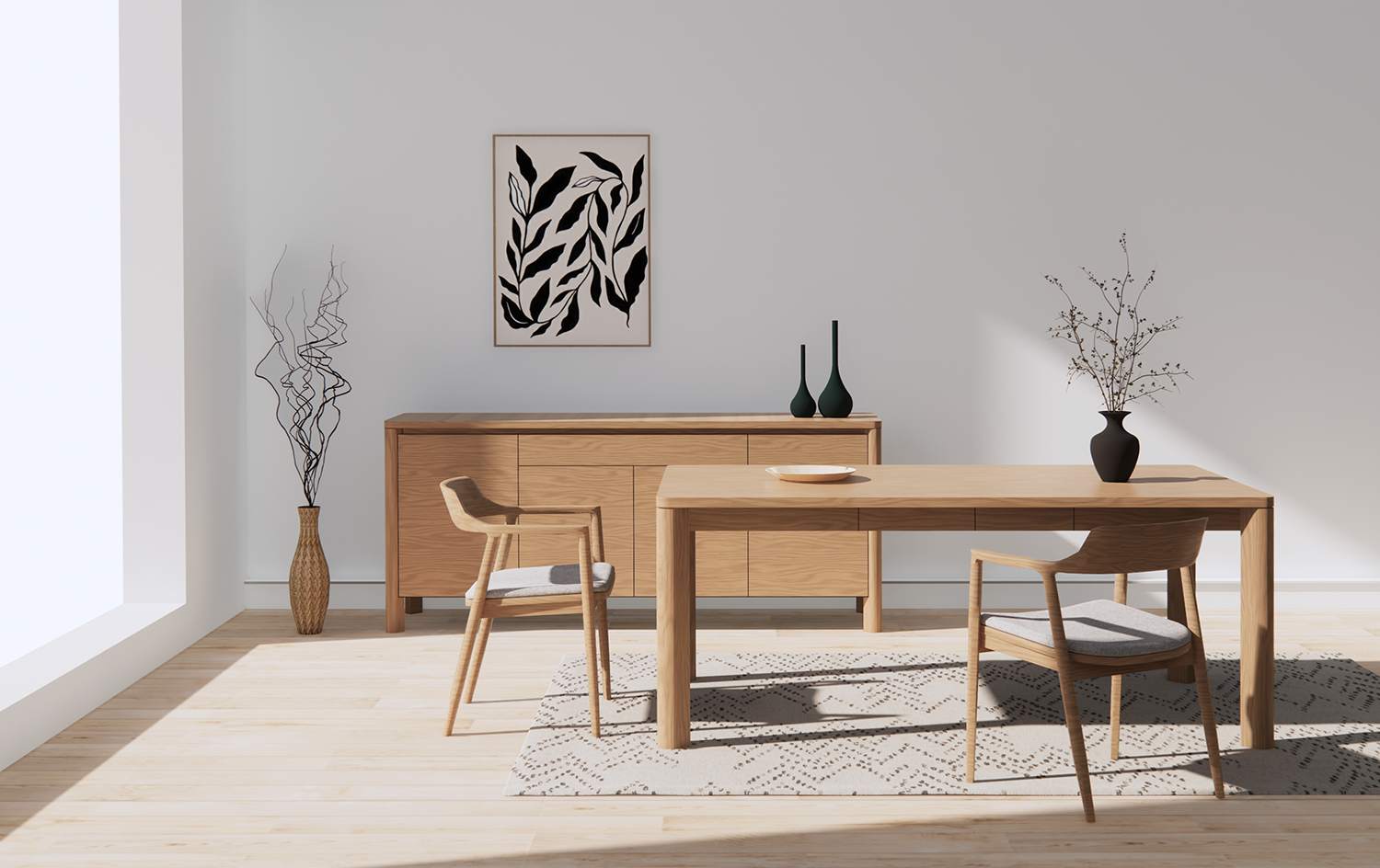
OAK Furniture Collection offers a wide range of high-quality pieces designed to complement any room, including comfortable seating, sleek storage solutions, and versatile décor items. Each piece is crafted to enhance long-lasting room layouts and provide years of enjoyment with durable, premium-quality materials.
