

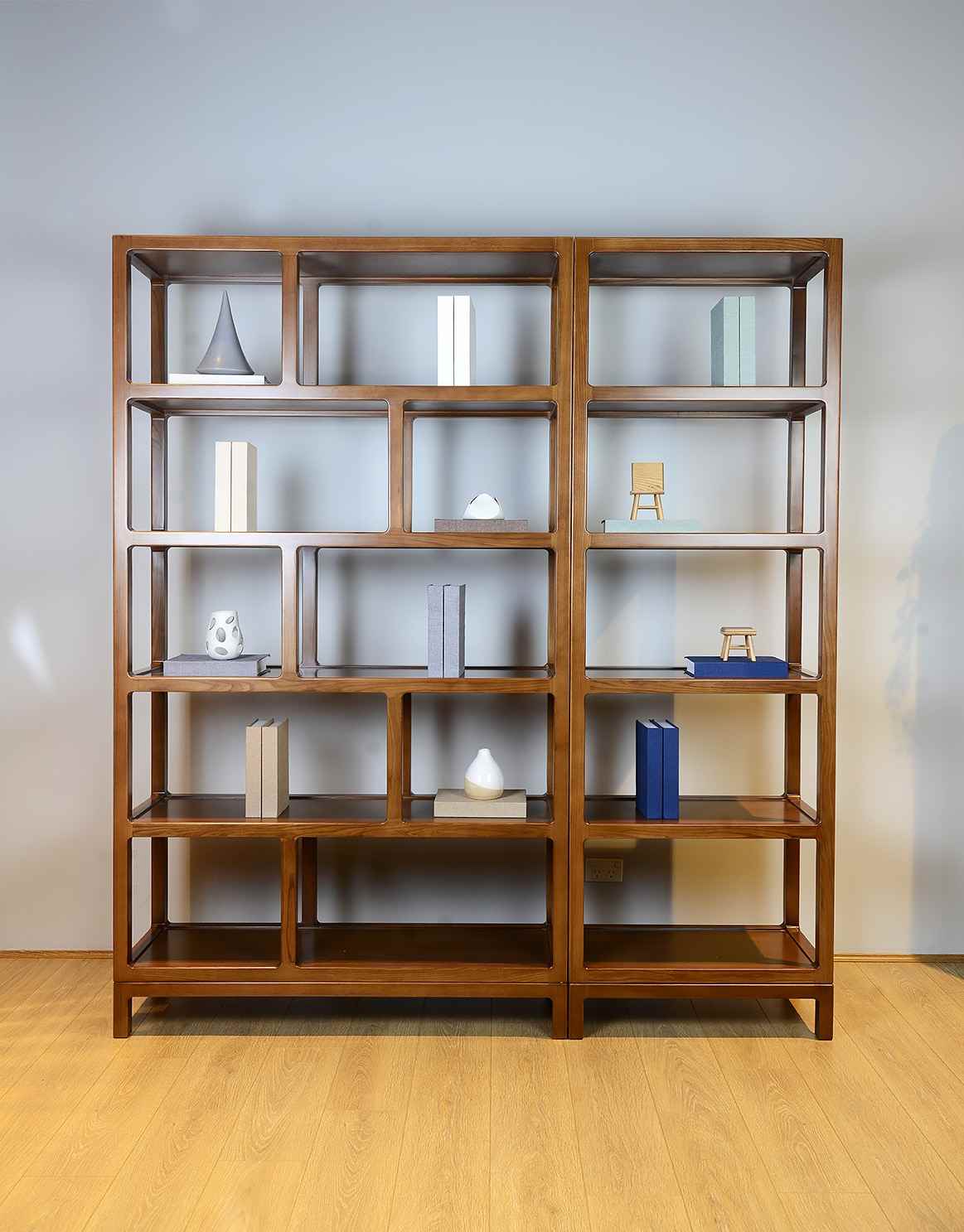
As one sets off on the quest to remodel a period property, the subtle trade-off between preservation and modernization comes into center stage towards the delivery of an original aesthetic that respects the heritage of the building and addresses modern standards of living. Historic home interior design is a serious task that should consider the architectural features, early workmanship, and the historical details of the time that make these houses have such a high status and eternal charm.
Knowing Architectural Heritage and Period Features
Each historic house has a story to tell. The architectural remains in the lavish cornicing and ceiling medallions, primitively crafted fireplaces, window casings, door frames, and more reflect the workmanship of earlier times. These unique aspects can be considered as the basis on which every interior design choice must be made, based on the selection of colors, furniture selection, and space organization that do not contradict but rather supplement the already existing architectural vocabulary.
Elements like wainscoting, picture rails, decorative plasterwork, etc., which are features of a period, should be restored with great care and given foreground position in the general design scheme, as they are unique monuments of the work of an artisan that cannot be duplicated using modern methods of construction.
Knowing the exact style of the architecture of your home, be it Victorian, Edwardian, Georgian, or Federation, helps you make a better decision on the proper furnishings, fabrics, and decorative items that would have been available at that specific time.
Choosing the right Furniture and Materials
Period properties also demand great attention in choosing furniture, scale, proportion, and style appropriateness to make sure that every single piece of furniture adds to the overall historical narrative, as well as to the functionality of the furniture to meet the needs of modern life.
Pieces in the antique and reproduction include timber materials that are designed to maintain authenticity, and therefore, the home has been given the consideration it deserves with attention to the crafts of joinery, hardware finishes, and decorative features that are period-correct.
By using the design concepts of historic home interior designs, the incorporation of both original and reproduction antiques will enable homeowners to attain the desired look without having to compromise comfort, longevity, and cost awareness that usually comes with all-antique furniture. The worn wood of old age, either by chance or by the pains of finishing, gives character and richness, and balances original architectural woodwork all over the house.
Surfaces and Colour Treatments
Color schemes of the past were highly differentiated in all the architectural eras, with Victorian buildings using deep color schemes such as burgundies, forest greens, and navy blues, whereas the Georgian ones used more paled-down colors such as creams, light grays, and muted pastels.
Historical research of historically accurate colors of paint with archival research, examination of the original layers of paint, and the research of heritage experts, which make the wall treatments fitting of the era and help to create welcoming and habitable interiors, on the one hand, that are warm to contemporary taste.
Painting on surfaces, such as decorative methods like marbling, graining, and stenciling can provide the realistic period quality to the walls, ceilings, and woodwork, giving a visual focus and historical accuracy to the entire design scheme.
The necessary equilibrium between the historic value and the modern comfort typically implies slight alterations of the conventional pallets to fit the modern lighting conditions and the current lifestyle needs without losing the necessary nature of the original design intention.
Period Property Lighting Solutions
The problem of illumination in the historic home interior design has its own problems because the illumination needs of modern times must be woven into historical settings with great care, without damaging the architectural or aesthetic values of buildings by inappropriate choice of fixtures or the need to drill holes in old walls.
The architectural style should be supplemented with period-appropriate lighting fixtures, which are either genuine antiques or high-quality reproductions or modern designs based on historical examples, with sufficient lighting intensity to meet the needs and demands of current activities and safety conditions.
The use of chandeliers, wall sconces, and table lamps of traditional silhouette made of brass, bronze, or wrought iron and fabrics or glass shade, makes the atmospheric lighting which adds to the original features of the architecture instead of taking away. Considerable layering of ambient, task, and accent lighting enables historic interiors to be useful in modern living, whilst retaining the romantic quality of light so typical of period properties
Recommendation
To the decorator of his or her period home that desires to utilize furniture which pay tribute to traditional crafts at the same time that they fulfill the demands of the modern living with the highest standards of quality and durability, OAK Furniture Collection has a great variety of elegantly and carefully crafted furniture which promotes the classicism of the overall home interior design with invaluable elegance and constructions and details that address the needs of the living standard and adheres to the architectural traditions in the most suitable way possible.
