

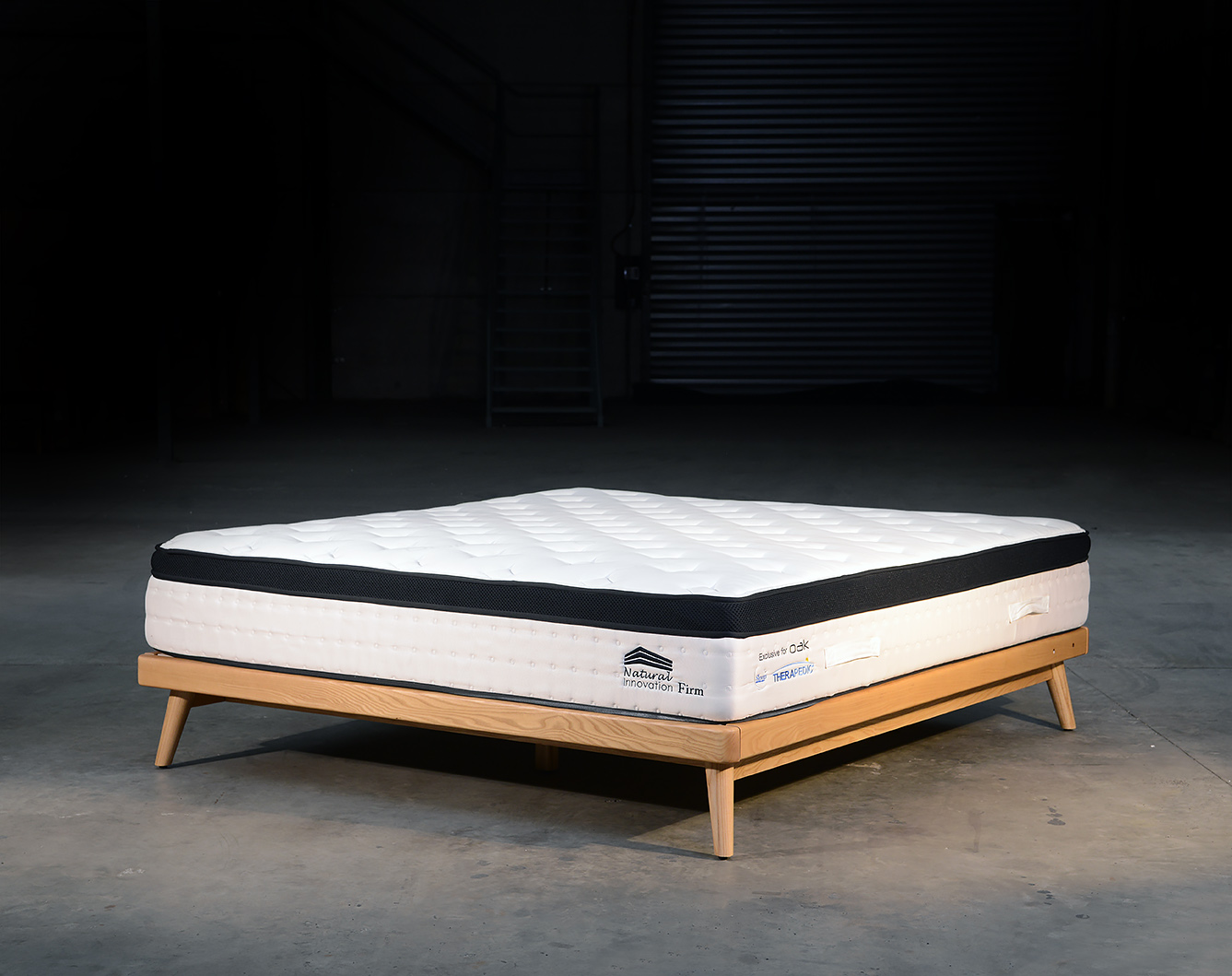
I spent eight years on memory foam before I admitted defeat. Every Australian summer ran the same script: me lying on top of the covers, one leg out, praying for a breeze. So what is a coil mattress, and why did it end my losing battle with the heat? Put simply, it is a mattress whose core support comes from metal springs, covered by layers of padding and upholstery.
When a friend finally dragged me into a mattress store to fix my sweaty nights, the salesman pointed at a coil mattress and I nearly laughed. Springs, I thought, were what my grandmother slept on. Then I spent a month on one, and the laugh was on me. Most of the beds sold in Australia still work this way, which surprises people who assume foam has taken over.
My conversion took three nights. The first night the coil bed felt firmer than my foam, and I nearly called it a mistake. By the third, my shoulder had stopped aching in the morning, a niggle I had blamed on my pillow for years. What I did not expect was the temperature: for the first time in memory, February nights did not mean waking up in a puddle.
The spring types, decoded
Not all coils are equal, and the name on the box tells you less than the construction underneath. Bonnell springs are the old hourglass design, interlinked with wire and found in budget mattresses. They are cheap and sturdy but transfer movement easily and wear unevenly over time. Offset springs are a flatter, improved version of the same idea. Continuous coil systems use a single piece of wire bent into shape, which makes a strong, long-lasting core.
The modern favourite is the pocket spring, where each coil sits in its own fabric sleeve and moves independently. Pocket springs give you the motion isolation that foam is famous for, plus the support and airflow that only springs provide. That combination is why most quality mattresses sold today are pocket spring or hybrid designs.
The comfort layers sit above the springs and do a job the coils cannot do on their own. A pocket spring core with a thick layer of quality foam gives you the support of springs with the pressure relief of foam, which is the formula most premium hybrids follow. When you read a spec sheet, the springs tell you about support, but the layers above tell you about comfort, and both matter.
Why coil count is overrated
Spring counts make great marketing. A mattress advertising 3,000 springs sounds twice as good as one advertising 1,500, and retailers know it. The truth is that density, not the headline number, is what counts. High-end mattresses typically run 400 to 600 pocket springs per square metre, which means the springs are close enough to respond to different parts of the body independently. A high count on a cheap build, with thin wire and poor padding, will still feel mediocre.
Gauge matters too. Heavier wire, around 1.4 to 1.8 millimetres, gives firmer, more durable support. Finer wire, around 1.2 to 1.4 millimetres, responds more softly, which side sleepers often prefer. And the comfort layers above the springs do as much work as the springs themselves. Judge the whole mattress, not the number on the tag.
What springs do that foam cannot
Coils win on airflow. The open structure lets heat escape, so spring mattresses sleep cooler than memory foam, which traps body heat. Coils also give you edge support, so you can sit on the side of the bed without rolling off, and a lively bounce that makes getting in and out easier. For heavier sleepers, a quality spring core holds the body up more firmly than foam of the same price.
Foam’s advantages are real too. It contours closely, isolates motion completely and never squeaks. But cheap foam sags, and dense foam sleeps hot. A hybrid, meaning springs with a foam comfort layer on top, tries to take the best of both, which is why hybrids dominate the premium end of the market.
If you are torn, think about temperature first. Hot sleepers tend to prefer coil or hybrid constructions because the airflow underneath keeps the night cooler, and that single factor often settles the debate faster than any comfort argument.
Signs a spring mattress is for you
Choose coils if you sleep hot, if you are a heavier person who wants firm support, or if you prefer a mattress with some bounce. Choose pocket springs specifically if you share the bed and your partner tosses and turns, because the independent pockets stop most of the movement from travelling across the surface. Back and stomach sleepers often prefer the firmer, more supported feel of a good coil core, while side sleepers should look for a hybrid with a softer comfort layer to protect the shoulders and hips.
If you share the bed, test springs the way you would test a car: together, in the position you actually sleep in, and for longer than feels polite. A mattress that suits a still sleeper can betray a restless one, and the compromise is easier to find in the showroom than after a week of one-sided backache.
Buying one that lasts
Check four things before you pay. First, the spring type, and pocket springs are the safe bet. Second, the gauge, and ask the salesperson to explain it, because if they cannot, they probably have not checked. Third, the comfort layers, and find out whether the foam is high density, because that determines whether the mattress keeps its shape in year five. Fourth, the edge support, which you can test by sitting on the side of the bed in the store.
Ask about the sagging threshold in the warranty and about the trial period, because a mattress reveals itself over weeks, not minutes. That month-long experiment ended with me sleeping cooler than I had in years, and it taught me to look past the marketing. I now check the same things the team at Oak Furniture Collection checks when someone asks for advice: spring density, wire gauge and the warranty’s fine print, and their mattress range carries ten to fifteen years of cover depending on the model. Consumer Reports (consumerreports.org) has independent mattress test data, and the Sleep Foundation (sleepfoundation.org) explains spring types and what to look for in useful detail.
