

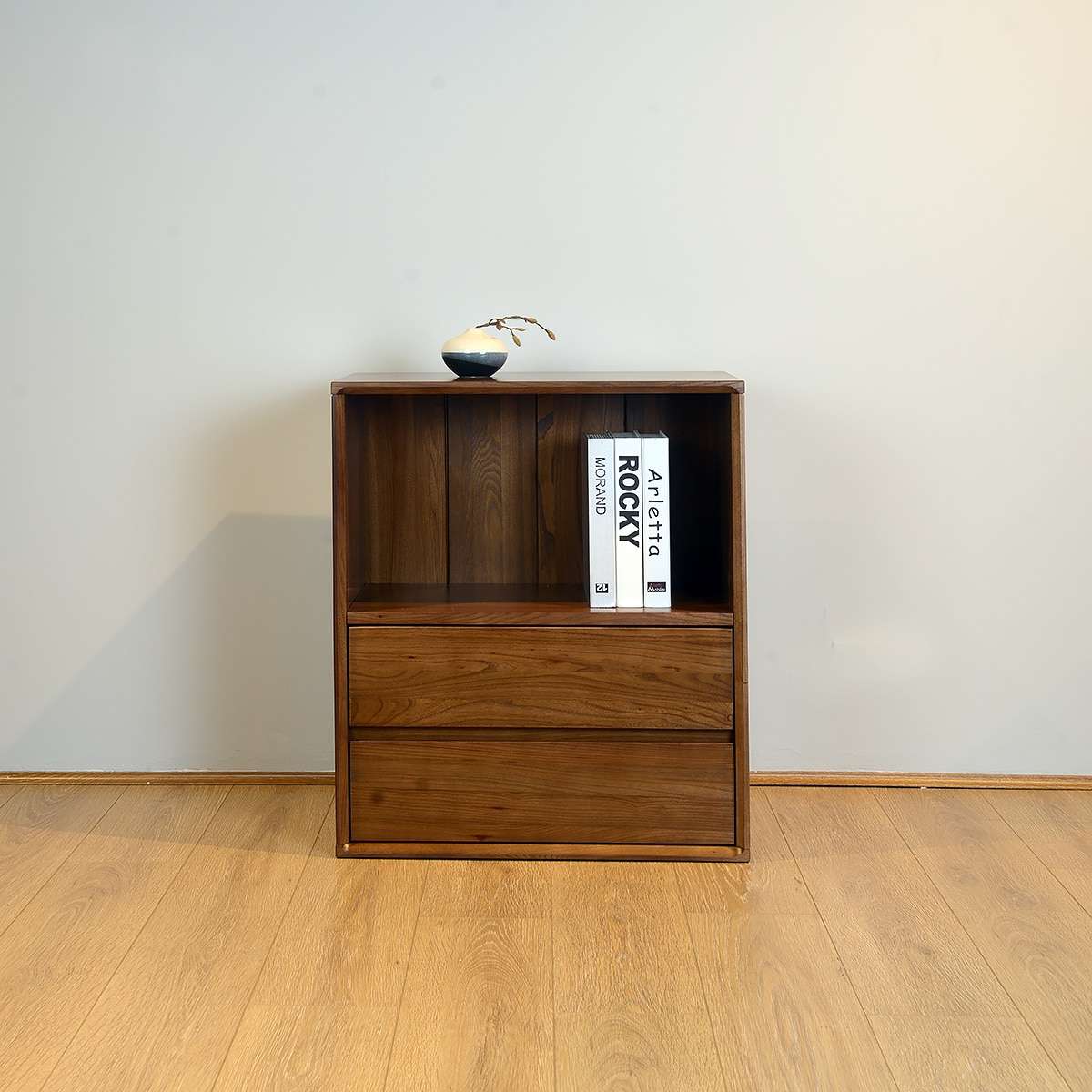
The wood species hardness scale is used to compare different wood species with regard to their response to pressure, scratches, and daily wear and tear, so wood selection can be a major factor in the durability of furniture, flooring strength, and performance.
What Is the Janka Hardness Test
The Janka hardness test determines the amount of force required to press a steel ball into the surface of a piece of wood, and gives a person a better idea of the resistance of the wood species to the steel ball force, as indicated in the wood species hardness scale for hardwood and softwood woods.
Why Hardwood Density Matters
In flooring, cabinetry, and handcrafted furniture applications, the denser the wood, the more durable and strong it is, and the longer it will last without becoming dingy or dented.
The most common hardwood species are compared
Every hardwood species has a different level of toughness; maple, hickory, and cherry are all frequently used in furniture making, and compared for their strength, texture, and natural grain appearance.
Oak and Walnut Wood Characteristics
Oak wood is known for its reliable strength and preferred grain patterns, and walnut wood has excellent grain, smooth texture, and darker color, making it popular for high-quality furniture and interior decoration.
To understand the softwood hardness ratings
Typically, softwoods are less hard than hardwoods, but a large number of species are suitable for various interior construction, paneling, shelving, and lightweight furniture fabrication applications.
The flooring’s durability and performance
The wood species hardness scale is frequently used to choose the material of a floor because the harder a material is, the more difficult it is to furnish, push, strike, or use for long-term residences without any sign of damage.
It is moisture-resistant and has good wood stability. Moisture resistant, good wood stability.
Hardness ratings aren’t the only factors that affect wood stability; moisture resistance, consistency of grain, and environmental factors that play a role in shrinking, swelling, and seasonal expansion over the years are also important.
Best wood to get for furniture
Hardwoods that have moderate to high Janka ratings tend to be more sought after by furniture manufacturers because they last longer, do not become as rough as they are used, and do not show as many marks due to furniture use.
Engineered Wood Versus Solid Wood
While solid hardwood is the more highly coveted choice for authentic grain patterns, refinishing, and structural integrity, engineered wood products offer stability and affordability.
Clear the way for Grain Texture to Impact Strength
The texture of grain influences cut precision, polishing ability, and the ability to finish the grain due to the fact that dense fibers typically result in smoother surfaces and better dent and scratch resistance when subject to normal wear and tear conditions.
Identifying interior design elements, selecting, and organizing wood
The hardness scale of wood is an important factor for interior designers to take into account when choosing materials for flooring and furniture, as it influences other qualities such as durability and maintenance requirements, and ultimately contributes to the longevity of interior spaces.
The material’s hardness for any commercial space
In commercial spaces, more challenging wood species may be more desirable for their flooring and seating needs because restaurants, offices, and retail spaces are areas with constant activity, which creates higher pressure damage and surface wear as compared to residential situations.
Sustainable Hardwood Choices
They promote forest sustainable management by encouraging the responsible use of hardwoods and by promoting environmental protection, long-term forest development, and the standards of production for modern furniture.
To enjoy hardwood furniture for years to come, there are a few maintenance tips to follow
Hardwood surfaces can be maintained by regular cleaning, controlled humidity and protective finishes, all of which help to extend the life and beauty of wooden furniture products, while minimizing cracking, fading and scratches.
Comparing Domestic and Exotic Woods
Domestic hardwoods are generally favored for their accessibility and affordability, whereas exotic woods are associated with their uncommon grain patterns, darker hues, and boosted density for specialty furniture designs.
Strength and weight relationship
A higher density in wood means a higher quality and generally a more durable species, but the weight does not always mean a high quality, since the grain direction, moisture content, and finishing process also play a role.
Wood use in contemporary houses
Today, there are various kinds of hardwood that are used in modern homes to complete the interiors with good hardwood finishes.
Importance of Surface Resistance
The surface resistance is vital to furniture and flooring products because they can become weaker over time due to daily wear and tear, movement, pets, and household activities, depending on their hardness.
With designs in wood that appeal to homeowners with the durability of wood as an attribute of the materials they choose, OAK Furniture Collection provides stylish designs that achieve this as well.
