

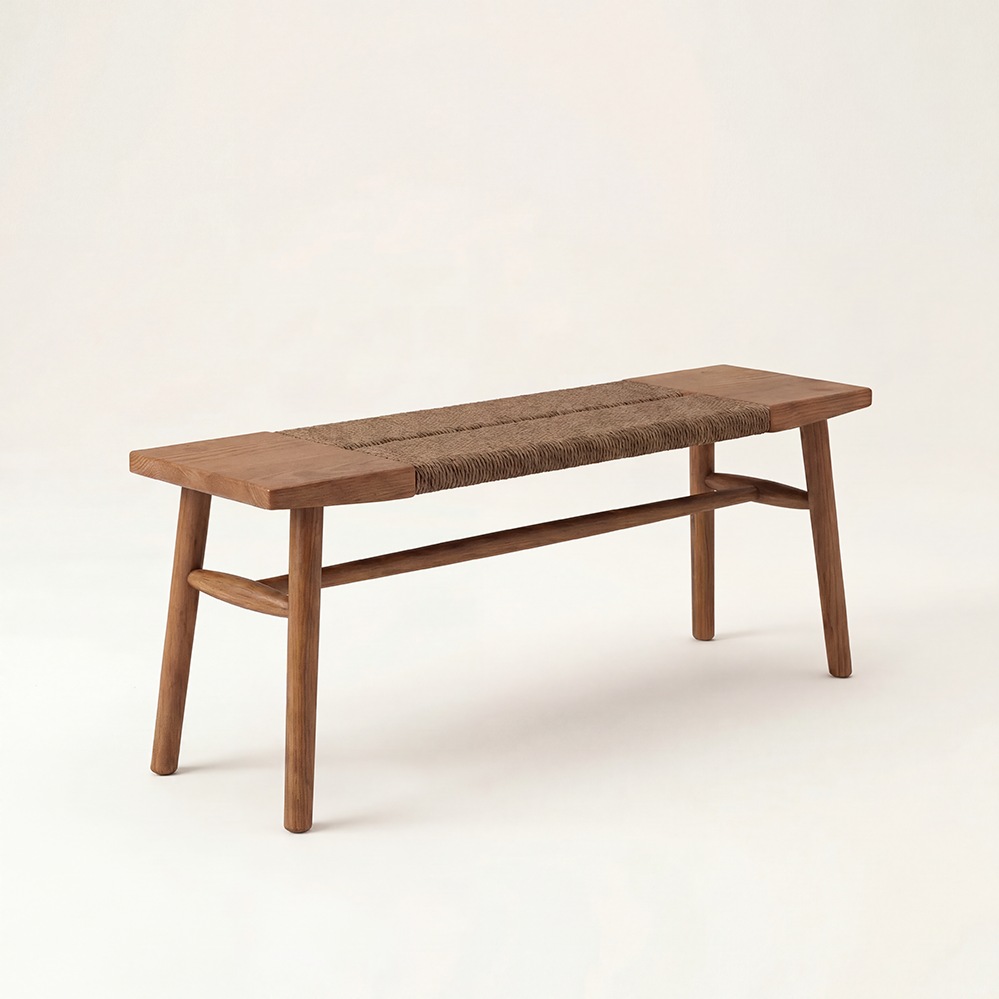
Average seat height has little meaning until the type of seat is identified. A dining chair, a lounge chair, and a counter stool support different activities and work beside different surfaces. Combining them into a single average gives a number that can be unsuitable for every position in a furnishing plan.
For dining seating, one table-and-chair design guide illustrates a typical seat range of 16 to 18 inches, about 406 to 457 mm. That is a reference range, not an average calculated across all chairs. A seating specification must identify the activity, the measurement point, and whether the cushion is occupied. Overall chair height usually describes the backrest and cannot substitute for the floor-to-seat measurement.
Sort the seating by activity before comparing numbers
For dining chairs, assess the seat in relation to the tabletop and the person using it. An upright dining position has different requirements from relaxed lounge seating. Start with the intended table, then compare the candidate seat’s measurements and occupied position. A general reference figure cannot establish a population average or promise a comfortable fit for every user.
Lounge seating within a living room furniture scheme needs a different assessment. The seat may slope toward the back, and a user may settle into a cushion while leaning against the backrest. A front-edge measurement alone cannot describe that position. Record the measurement point and assess how the user reaches any adjacent table from the occupied seat.
Counter and bar seating should be checked against the actual counter or table it will serve. A label such as counter stool is not enough to confirm the relationship. Measure the surface and its underside, then assess seat position and foot support together. A taller seat paired with an ordinary dining table is not interchangeable with a dining chair.
In a project schedule, separate these categories before comparing options. This prevents a single default height from spreading across a mixed furniture order. It also makes supplier queries more specific: each question can refer to the activity and surface associated with that seat.
Make the cushion condition part of the measurement
Average seat height is a poor comparison if some upholstered chairs are measured unloaded and others occupied. Keep both conditions distinct. The first helps compare published dimensions; the second affects how someone sits relative to a table. The difference depends on the cushion and the person, so it should be observed rather than estimated from the product photograph.
For an illustrative example, an unloaded seat might measure 470 mm and settle to 440 mm under a particular user. Against a 750 mm tabletop, the seat-to-top difference changes from 280 to 310 mm. Those are hypothetical measurements, but they show why a catalog number can give an incomplete picture of the occupied arrangement.
Repeat the observation on the actual candidate seat. Ask the person to sit as they normally would and allow the cushion to settle. Note whether the measurement is taken at the front edge or another defined point. Comparing one chair at the edge with another at the center introduces a difference that may have nothing to do with their suitability.
Existing furniture needs the same discipline. Cushions can change with use, and replacement floor glides can alter a chair’s position. If new chairs will join older ones, inspect the retained pieces rather than assuming that their original catalog dimensions still describe them exactly.
Check the person and the surrounding furniture together
Observe whether the seated user can support their feet and sit without being forced toward the front edge. Check the relationship between the seat depth and their legs as well. A height that looks reasonable on paper can still feel awkward when the seat is too deep for the person’s normal posture.
Armrests introduce another measurement. They may help define the chair’s occupied position, but they can also prevent it from approaching the table. Verify the arm height against the table’s lowest obstruction. There is little value in a comfortable seat-to-top relationship if the user cannot move close enough to use the surface.
Keep the intended activity beside the model name when reviewing a mixed seating order from Oak Furniture Collection. A Teso Chair belongs in the dining chairs assessment, where its occupied height must work with the selected table. A Dylan Round Leisure Chair needs a separate record covering the relaxed sitting position and reach to nearby surfaces. Request whichever seat measurements are missing for each model. Even within one order, the accepted dining-seat figure should not silently become the target for the lounge.
If the intended occupants have specific mobility or support needs, involve an appropriate professional in the selection. A general furnishing article cannot determine a suitable seat for an individual. The specification should record the assessed requirement without turning a broad average into a claim of universal comfort or accessibility.
Give purchasing a record that can survive substitutions
Write the accepted seat height together with its measurement condition. A useful entry might identify the model, unloaded height, observed occupied position, and intended table. Include any unresolved supplier question before releasing the order. This is clearer than a single column labeled height that leaves everyone to infer what was measured.
Where several seat types appear in one room, maintain separate acceptance criteria. A lounge chair can be evaluated for relaxed seating and reach to a side surface, while a dining chair needs its table relationship checked. Matching color or timber finish does not remove those functional differences.
Review proposed replacements against the same criteria. Similar overall proportions do not prove equal seat height, cushioning behavior, or arm clearance. If the supplier cannot confirm the necessary dimensions, keep the substitute unapproved until the missing information or a physical trial resolves the uncertainty. At handover, verify the delivered model and check the arrangement with its intended surface. A clearly measured seat, assessed in use, gives the project team something concrete to accept. A generic average can help start the conversation, but it cannot complete the seating decision.
