

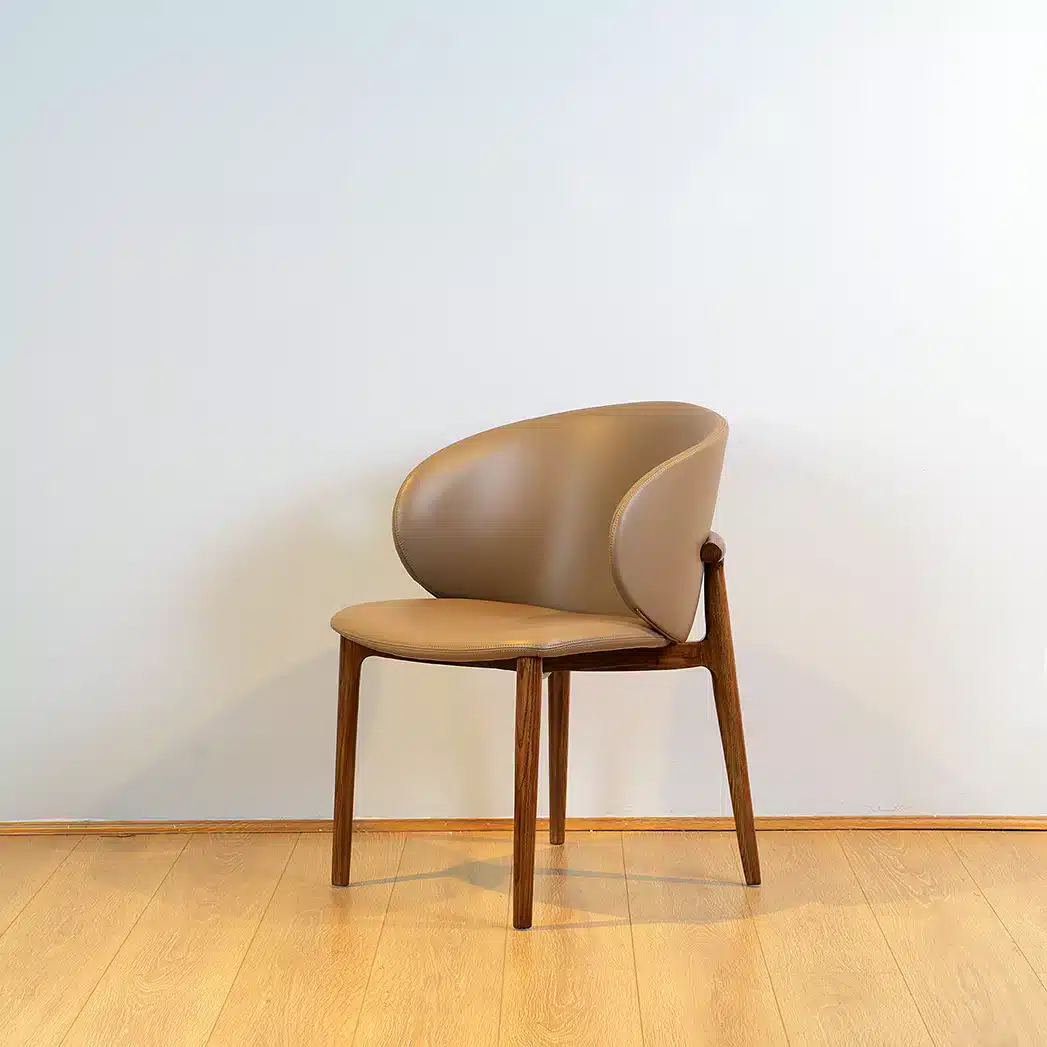
Faux leather (also called synthetic leather, artificial leather, vegan leather, etc.) is an innovative substitute to conventional animal-derived products that has revolutionized the furniture and fashion fields in the last few decades. This new material is produced through an array of synthetic procedures and components to produce a product that strongly resembles the look, feel, and wearability of a genuine leather product but that also has some unique benefits in the form of affordability, moral traits, and care. What is faux leather basically means any fabric that is meant to mimic both the look and feel of actual leather without using animal skins, thus making it an ever-growing favourite among consumers interested in greener and less expensive options.
The production process generally entails applying fabric bases with plastic polymers, which creates a highly adaptable material capable of being tailored to produce various textures, colours, and finishes that would be both difficult or costly to attain with real leather.
Process and Material Make-up
Synthetic leather is manufactured using advanced manufacturing processes that fuse different base materials with polymer layers to form the final product, but the most popular processes use polyurethane (PU) or polyvinyl chloride (PVC) as the main coating materials applied to fabric base materials like cotton, polyester, or nylon.
The base fabric is initially prepared and finished during the manufacturing process to enable appropriate adhesion, then several layers of polymer coating are applied using a process known as knife coating, transfer coating, or calendering that enables the manufacturers to create thickness, texture, and surface properties with incredible accuracy.
Embossing is also used in advanced manufacturing methods to produce truly realistic grain designs and textures that imitate a wide range of true leather, smooth finishes, and more textured finishes resembling exotic leather materials.
Modern faux leather products are much more flexible and durable than the synthetic ones of previous times, and, of course, have the addition of chemicals that enhance their chemical properties with durability, flexibility, UV resistance, and antimicrobial properties.
Types and varieties of artificial leather
Modern artificial leather includes a wide variety of products, differing dramatically in quality, look, and use, the major classes being PU leather, PVC leather, and more recent bio-oriented versions, which use plant-based materials or recycled parts.
PU leather is the more expensive section of the synthetic leather sector, with better breathability and flexibility and a more natural feel than PVC, whereas PVC leather is generally more durable and waterproof and can be used in heavy applications and outdoor furniture.
New products are microfiber-based synthetic leathers that are very soft and durable, eco-friendly alternatives made out of recycled materials, pineapple leaves, mushroom mycelium, and other sustainable sources that mitigate increasing environmental issues.
The quality level begins with simple synthetic materials that can be used on a low-cost project and continues all the way to high-quality faux leather products that can be easily confused with real leather in their appearance, touch, and performance properties.
Pros and Cons of Synthetic Leather
There are many strong points with the use of synthetic leather, which have made it widely accepted in all industries, and one of the strongest points that immediately occurs is the cost-effectiveness of this material because, in most cases, artificial leathers are much cheaper than leather, though they are similar in looks and functionality in most cases.
Another significant benefit is the ethical aspects, which synthetic leather will remove since there is no longer a worry about animal welfare, and also offers a cruelty-free option that can attract environmentally aware customers and those who adhere to veganism.
Synthetic leather is usually a lot easier to maintain than real leather, with most synthetic materials being waterproof, simple to clean, and less vulnerable to staining, cracking, or fading, provided they are properly maintained.
Also, faux leather products provide more uniformity in color, texture, and quality as the manufacturing process can be carefully regulated, without natural variation or possible defects found in natural leather products.
Care and Nurture Policies
To ensure a high level of appearance and durability during its useful life, it is necessary to know what is faux leather and the proper care of synthetic leather furniture and accessories, taking into consideration the peculiarities and constraints of the material used.
Regularly clean synthetic leather surfaces with a damp cloth, then dry them with a soft, clean cloth to prevent water damage. For deeper cleaning, use a mild soap designed for synthetic materials.
Unlike genuine leather, most synthetic leather products don’t require conditioning treatments. However, occasional use of specialized synthetic leather conditioners can help maintain flexibility and prevent cracking in high-use areas.
Avoid harsh chemicals, abrasive cleaners, and exposure to high temperatures, as these can damage the polymer coating, affecting both the appearance and durability of faux leather. Proper care ensures longevity and keeps these products looking their best.
Recommendation
OAK Furniture Collection offers a diverse range of contemporary and traditional furniture that showcases the versatility and appeal of modern synthetic leather fabrics. These pieces provide stylish, durable, and affordable alternatives to expensive genuine leather furniture, without compromising on the quality and craftsmanship of high-end collections. It also answers the question: What is faux leather?
