

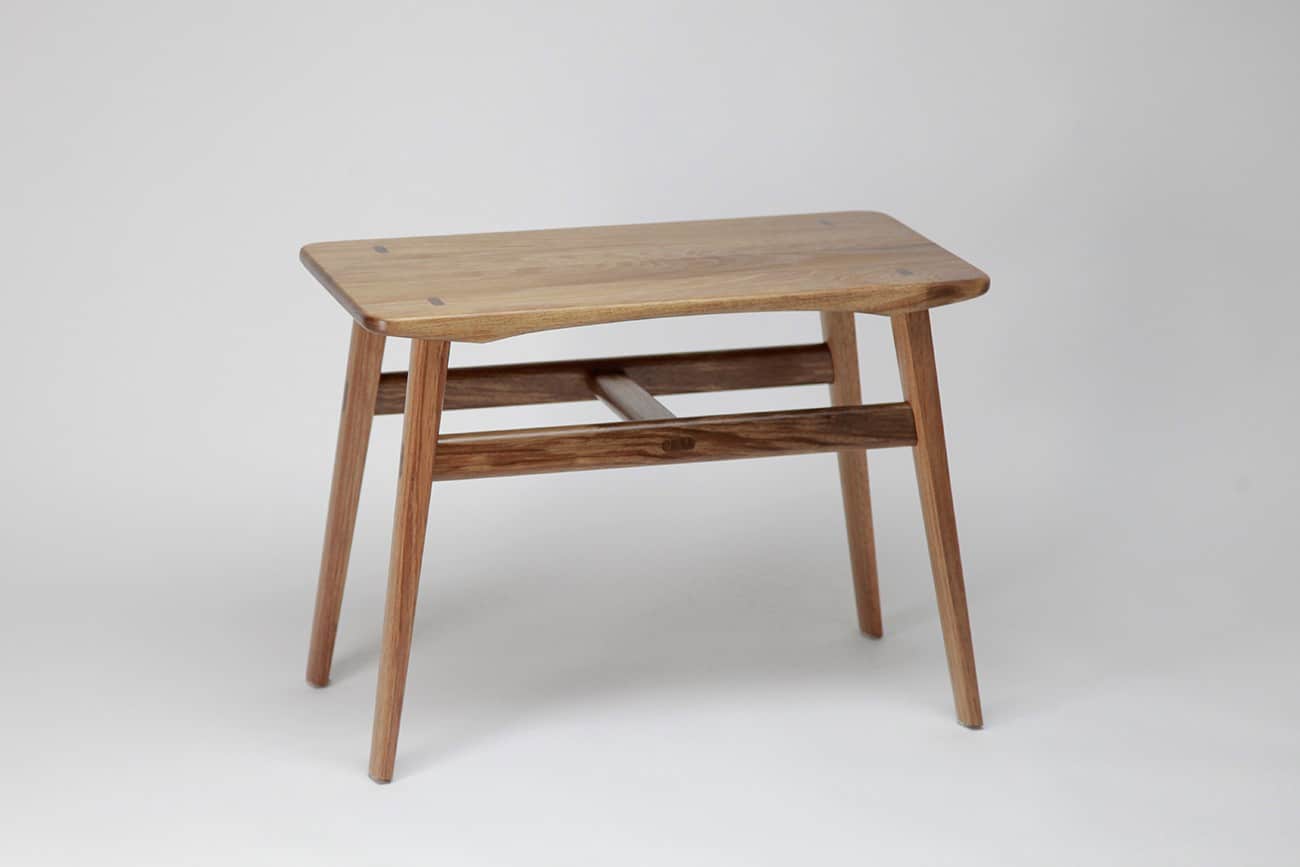
Read our one-stop guide to do wood furniture repairs at home, including common mistakes, tools required to do these repairs, and when to let go of your old wood furniture pieces.
Not everyone wants to hire professionals to deal with the problems of their furniture, and this is why you need to be ready to learn some DIY related to wood furniture repair at home. Before you get going, make sure that you have all these things, depending on the repair type:
1. Sandpaper (of varying grits)
2. Wood filler and Mold Putty
3. Paint Brush and Foam Brushes
4. Wood Glue (PVA or Epoxy)
5. Putty Knife/Plastic Scraper
6. Screwdriver
7. Chisels
8. Utility Knife & hammer
9. Polyurethane/Polycrylic and Epoxy Resin
10. Chemical scraper (Optional)
Common Issues:
Wobbly Legs and Loose Joints is the most common one, and it’s pretty annoying, too. Upholstered pieces get various issues over time as they are used every single day. These include broken springs, sagging cushions, and other wear and tear. Damaged corner edges of the wood table is also pretty common.
DIY Execution
In most cases, your wood furniture repair will be refinishing the surface scratches along with wear and tear. Below is how you will deal with them, among other common issues:
1. Dealing Scratches:
Probably the most common repair work related to furniture. If the scratches are not deep, a humble wood repair marker will work, along with using furniture polish to blend imperfections. If there are deeper scratches, then you may have to use wood filler to fill the scratches. Also, you will have to sand and stain to match the surrounding area, but be careful not to sand too much.
2. Fixing Cracks and Splits
With time, even solid wood undergoes cracks, splits, and sizable gouges if the use was intense. For such issues, use wood putty and wood filler to fill in the cracks and use wood wasp to remove excess. Once set, perform slight sanding for smooth results.
3. Removing Water Stains
They are also quite common and can be easily fixed with an application of a mixture of baking soda and water. If these stains have black marks, then you have to do smooth sanding and then refinish.
4. Loose Joints
In such case, you have to disable all the parts that are woobly. Next, remove the old glue in them and reapply wood glue or epoxy before putting them back. To make sure that the joint is proper, we recommend overnight clamping.
5. Restoring Peeling Areas
Sanding the peeled-off area and removing any damaged surface. Next, follow the usual staining and sealing of the surface with polyurethane to restore the original look.
6. Restoring Missing Trims
If your furniture piece is missing a trim, use the classic mold putty technique. Take some putty of your choice and roll it up into a snake-like form on the trim that is not damaged. Next, take it out and fill it up with epoxy resin, allowing it to rest for roughly 20 minutes. Take it out and then paint or stain it to match the original color of the furniture.
Knowing What to Repair or Let Go
Like they say, not everything is worth the effort, and this applies to furniture pieces, too. Identify that severely damaged or beyond repair pieces are not worth the effort as they won’t last over a long period even if repaired. This includes damage to their structural integrity, which will lead to a higher cost vs the value of the item.
Having said that, if you have sentimental value attached to your heirloom furniture, then it may also be worthy to repair. Also, such DIY projects can be both rewarding and transformative for your living space.
Speaking of transformation, a reliable furniture last generations and demands less maintenance, one of such is Tesco furniture collection from Oak Furniture Collection, which features premium quality sintered stone and walnut/oak woods. These pieces, ranging from dining tables to single chairs, are made to last generations without any wood furniture repairs, which normal pieces are susceptible to.
