

You don’t always have to replace furniture to give it a fresh new look; often, a simple paint job can work miracles to breathe new life into a room and keep the charm of older pieces, especially when done with an eye toward updated décor trends and necessary materials. Whether reworking a wooden dresser, overhauling a coffee table, or adding colorful verve to kitchen chairs, learning how to use furniture paint is key to achieving a low-cost, high-impression home makeover without much hassle.
Preparing the Surface Is the First Crucial Step
Before getting into the painting process, there is one crucial step that must not be overlooked: the thorough preparation of the surface you intend to paint. This surface preparation consists of cleaning, sometimes applying a primer, and sanding the surface if needed. It is necessary for achieving a good paint application and for ensuring that uneven finishes do not happen.
Over time, furniture accumulates all sorts of residues like oils, polishes, and dirt, which hinder the paint’s ability to adhere to the surface. So, a good cleansing with a degreasing cleaner or a mild soap-and-water solution is essential. Once the surface is clean and dry, you are ready to add the first coat of paint.
Selecting the Right Paint for the Right Finish
Choosing the right type of paint is significant in how your finished piece will appear and how well it will endure everyday life, so assess the probable location of the furniture and the level of wear you anticipate beforehand.
Chalk paint has become popular for its smooth, matte finish and for being a paint that begs for no extensive priming. Latex paint is versatile and offers impressive durability. If you DIY painted furniture for a location that sees a lot of action or that’s likely to get moisture, latex is your go-to.
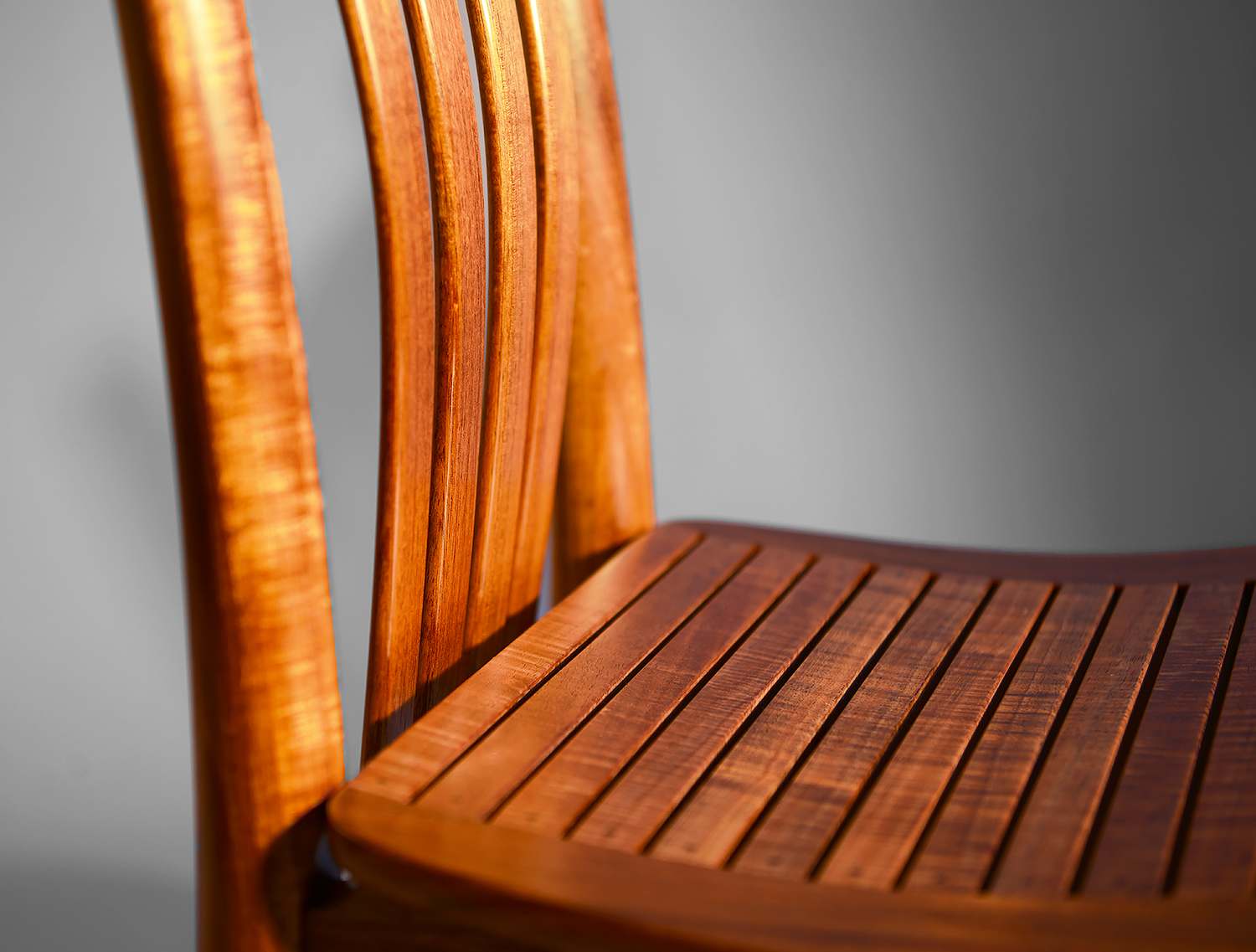
Wooden furniture with a textured surface calls for more strategic choices: if you want the underlying pattern to show through, go with a thinner coat of paint, and for a texture that wows, sand the piece between coats.
Priming and Layering Techniques for a Smooth Look
Even when modern furniture paints proclaim, “no primer needed,” considering the extra step of applying primer is a wise choice for any project, especially those involving dark colors or uneven wood finishes.
When used as a base, primer evens out such discrepancies and makes the finish coat appear far more vibrant, thanks to something called the “chromatic contrast principle.” That’s a fancy way of saying that colors stand out more when placed against a neutral, non-reflective background.
To achieve the even paint job that makes your finished work look professional, it’s crucial to understand how to use furniture paint and use the right tools for the right types of paint.
Finishing Touches: Protecting and Enhancing the Painted Surface
It is critical to seal the surface of the furniture piece once your final coat of paint has dried completely. The reason is simple: you need to preserve your work and help ensure it stands up to everyday wear this furniture is bound to experience, especially if it’s going to be placed in areas like living rooms, kitchens, or entryways that see a lot of traffic.
This topcoat is like a barrier that, oh so magically, keeps the paint underneath safe and sound. You have options when it comes to topcoats, and you should pick the one that works best for your piece and your personal preference.
Some good choices are clear wax (which feels soft and gives a kind of a vintage look and is easy to work with), polyurethane (which has a tougher and more durable finish and is, by all accounts, the best choice if you want to make sure your piece can withstand normal wear and tear), and polyacrylic.
Creative Enhancements and Color Experimentation
Refrain from relegating painted furniture to classic pared-back palettes of white, gray, and other neutrals. It’s trendy to play with color, even on pieces that traditionally would not have any color applied, such as dressers or headboards.
For painted accent pieces—nightstands, sideboards, or bookshelves, for instance—consider going bold. Choose navy, hunter green, or even a citrus shade that will pop against your other decor and make those pieces a focal point.
Remember, too, that you can have fun with applicative techniques—the way you use the paint can create texture and more of a vintage or artsy look, which can work even with the trendy bold colors.
Tools and Maintenance Tips to Preserve Painted Furniture
Utilizing tools of exceptional quality—for instance, angled brushes to paint corners, small foam rollers for flat surfaces, and painter’s tape to ensure clean, straight lines—can effectively elevate any painting project. Such tools not only make it easier to achieve a result that looks professional, but they also make it rather improbable for any mistakes to occur in the painting process.
Mistakes like paint bleeding between surfaces or someone accidentally painting a surface that shouldn’t be painted otherwise. After the paint has dried and the furniture is sealed, care is easy and can make the painted surface more durable. Avoiding harsh cleaners and using only mild, non-abrasive solutions will do that. This knowledge can only be helpful for someone learning how to use furniture paint.
Recommendation
If these methods have you fired up to apply them and enliven your space, OAK Furniture Collection has a set of versatile, oak pieces that are paint-friendly for custom transformations. Perfect for both novice and well-versed DIYers. And the best part? OAK pieces skirt the line of classic and modern furniture styles, making them prime candidates for transformations that yield a truly unique living space.
