

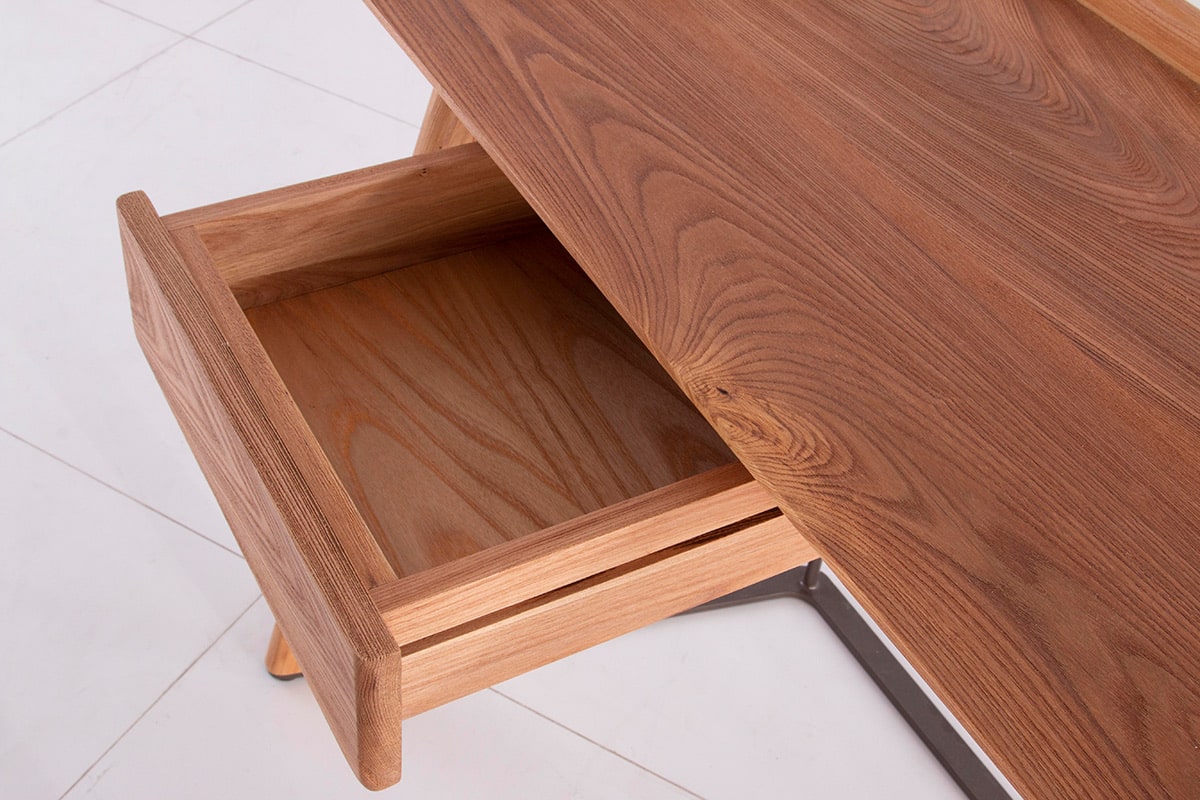
Disasters such as heat stains on wood furniture can be a very aggravating experience that turns gorgeous surfaces into unsightly spots that do not bring beauty to your home. These white or cloudy spots are usually caused when any hot material, such as a mug, plates, or pans, is directly placed on a wooden surface without any protection, and the finish of the wood reacts to the heat and moisture. Learning how to remove heat stains from wood will not only help you keep your furniture in ideal condition but also increase the life of your furniture.
Luckily, the majority of heat stains are superficial and can be erased with different household items and professional methods. Through proper methods and time, you can bring your wooden furniture to its natural beauty without more damage being done to it.
Heat Stains and How to Form Them
During heat stains, the protective finish on wooden furniture becomes smoky or discoloured due to the high temperature and forms those characteristic white spots that appear overnight once a person puts a hot object on the surface. These stains are affected by several factors, such as the temperature of the object, duration of contact, the finish used on the wood, and the amount of moisture present at the time of occurrence.
The majority of heat stains do not penetrate deep into the wood, but only the topmost layer of the finish, which allows them to be easier to fix than they seem at first. The various types of wood react differently to heat damage, and some finishes are more prone to being marked than others, so it is important to research the specifics of your furniture before trying any of the techniques of repair.
Important Maps and Supplies for Heat Stain Removal
When planning to take on how to remove heat stains from wood, the first thing you need to do is to have all the collectables so you know that you have all that you need to do a successful restoration process.
You can surprisingly use basic household products such as clean cotton cloths, hair dryers, irons, mayonnaise, toothpaste (non-gel version), baking soda, white vinegar, and olive oil to remove minor heat stains.
To deal with more recalcitrant marks, a special product like wood polish, furniture wax, fine-grade steel wool, or commercial wood restoration compounds that are specifically aimed at repairing heat damage may be required.
When using chemical products, ensure your workspace is well-ventilated and wear appropriate protective gear, as some restoration materials can emit fumes or irritate the skin if mishandled.
Heat Process: Ironing and Cloth Process
Among the best things to do to erase heat stains is the application of controlled heat with the help of an iron and a cloth technique that is effective on the surface in the form of re-melting damaged finish and letting it flow over the surface evenly.
Lay a clean, dry cotton cloth or a paper towel over the stained area, and place your iron on a low heat without steam and press it firmly onto the cloth in 10-15 second intervals, moving it around a bit so that it does not overheat one spot.
The heat applied is used to evaporate any moisture caught in it and spreads out the finish layer, slowly diminishing the look of the white spot with repeated applications, shortly cooling between each one. This method works particularly well on oak furniture, where the grain distributes heat evenly, but it requires patience and careful attention to avoid damaging the wood’s finish.
Moisture-Based Removal Techniques
In learning how to remove heat stains from wood, it is water-based techniques that provide mellow alternatives to the process, which operate by softening and redistributing the impacted finish, without further heating the damaged section.
Mayonnaise, oddly enough, includes oils and acids that can seep into the finish and help to restore its transparency when heavily applied to the stain and allowed to dry before being wiped down with a clean cloth.
Likewise, you can use a paste of baking soda and water, apply it to the stain, leave it to dry for 30 minutes, and then rub it in circular motions and then wipe it off. The slight abrasive action will help to even out the damaged finish.
Another effective treatment is white vinegar with olive oil in equal ratio, which inherits the property of the acid to break the damaged finish with the conditioning effect of the oil that works well, especially in walnut wood, where the natural lustre of the wood is paramount.
Rough Methods for Hard-to-Remove Stains
When the heat stains are difficult to remove by softer measures, the mechanical force required to deposit a finish can be achieved by carefully taking abrasive procedures to remove the damaged layers of finish and to restore the appearance of the wood.
A non-gel toothpaste has mild abrasives, which may be applied to the stain and rubbed in circular movements with a soft cloth, the abrasive particles of which help smooth the affected portion, and the consistency of the paste prevents excessive scratching.
Mineral oil can be applied with fine-grade (0000) steel wool to carefully buff stubborn stains. Always follow the wood grain and use minimal pressure to avoid scratches, which are more difficult to repair than the heat marks themselves.
In the case of abrasive processes, work in small sections and first test in a non-noticeable location before proceeding to take away excess finish, as it can leave a depression that will then have to be properly repaired by a professional.
Recommendation
Looking at wooden furniture, a high-quality wooden furniture that would be able to serve daily, yet not to lose its natural beauty over the years, with adequate care and maintenance, OAK Furniture Collection will be able to present you with a wide variety of professionally designed wooden furniture that should be able to suit your needs perfectly at this moment and in the future.
