

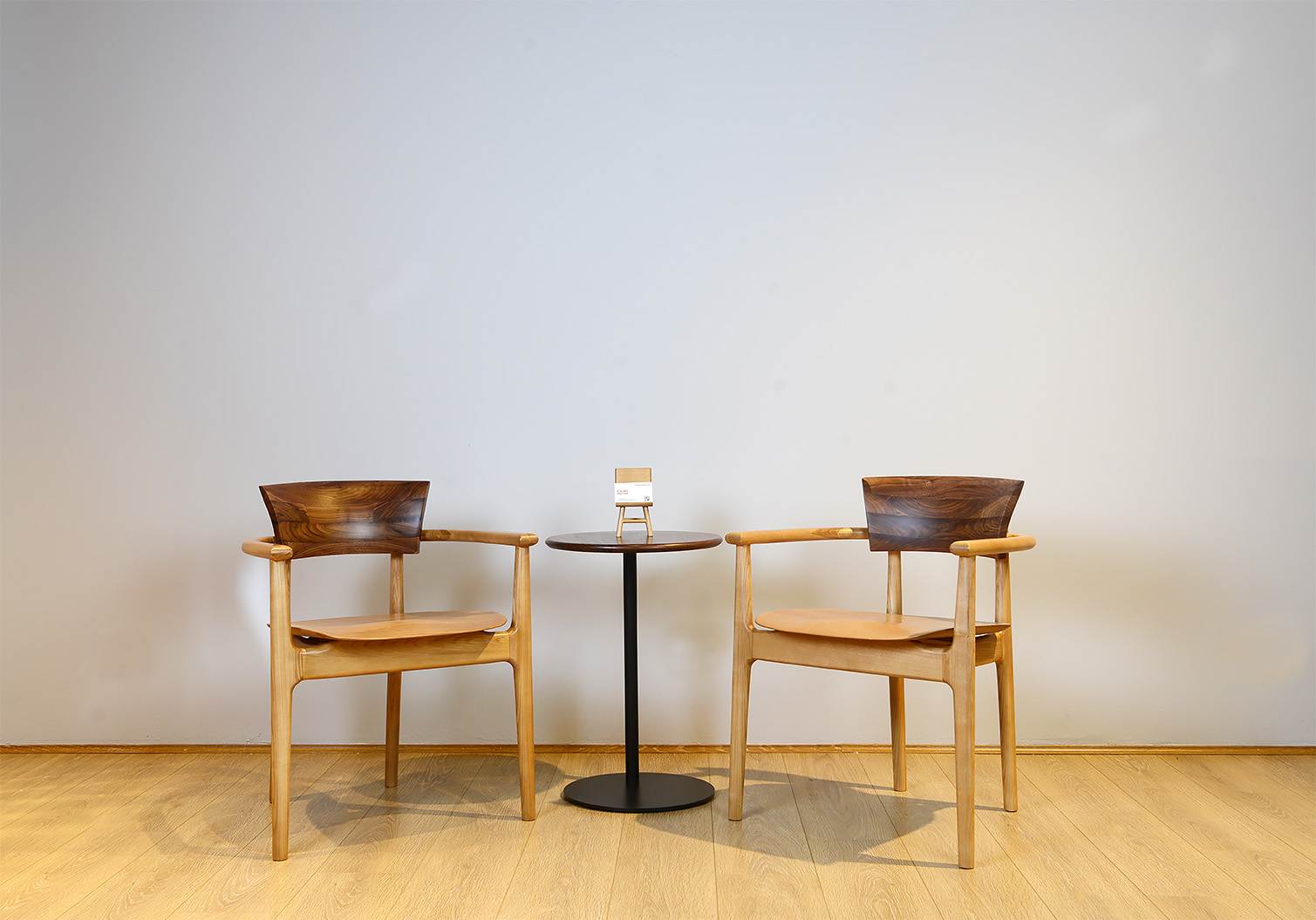
How to reupholster a chair? Being able to reupholster a chair is a satisfying process that restores old furniture, gives it a new look, and extends its usefulness and life without having to buy new chairs. An old dining chair can look brand new if you know the proper methods to add new life to it, or even an old chair can look just as fresh if you know the tricks. If you are a beginner, you might feel like you aren’t ready to fool them, but this can be done in a fun and easy manner with patience and preparation.
So, you will need to collect the appropriate resources and materials
Prior to beginning a project, you need to have the proper tools and materials to create a flawless finish and a smooth workflow. Many of the tools used involve a staple gun, fabric scissors, a screwdriver, pliers, and a tape measure, which are all useful for stripping the old upholstery and putting the new fabric down. The choice of the fabric is also crucial, as durability and texture will be affected in the chair over time. Upholstery fabrics like cotton blends, linen, or synthetic fabrics can also be recommended, as they are strong enough and easy to care for; this would help them be better for beginners or experienced DIY enthusiasts.
Careful removal of Old Upholstery
The initial action toward How to reupholster a chair is to remove the existing upholstery carefully, paying attention not to harm the base beneath the layers of upholstery and cushioning. Typically, this will involve kicking over the chair and unscrewing the seat or other removable components. Gently lift staples and tacks out of fibers with pliers and/or staple remover. Once the fabric is cut from the board, it’s recommended to keep the pieces together so they can be used as a template to cut the new fabric. This stage is important because it safeguards the structure of the chair during the subsequent stages of creation.
The Chair Frame is the skeleton that is vital for proper chair operation, and requires inspection and repair
Once the old upholstery has been removed, inspecting the chair frame is crucial to ensure that it is strong and stable before applying new materials. Inspect for any damage, including cracks, loose joints, or areas of increased risk that require repair. If the chair is made of a sturdy material such as oak or walnut wood, it may be easier to strengthen it with simple repairs, such as screws or wood glue. Properly retaining the frame condition ensures you have the proper basis for the new upholstery and for chair longevity.
Restoring/replacing lost padding or adding new padding for joints
One important element of a reupholstered chair is padding; it significantly contributes to the comfort and appearance of the furniture. Based on the original padding conditions, it may be desirable to use the existing padding or to use new foam or batting to provide increased support. If the padding is cut to that plain, it provides a smooth surface, and while it is attached evenly, it will be comfortable. In addition to making the chair more comfortable, the move also adds to its aesthetic qualities, making it a more attractive piece of furniture.
Making straight lines with the proper lengths.Measure and cut the fabric accurately
Accurately measuring and cutting with precision the fabric is the fundamental component of How to reupholster a chair, with direct effects on the finished look of the reupholstered chair. To find out the proper dimensions and fabric shape to make a new item, the shape of old cloth may be used. A snug fit should be done with a few extra inches around the outer edges to ensure proper fastening and make all adjustments for installation. A perfect match ensures a professional appearance, while cutting the fabric neatly and properly will create a polished and finished cut.
Attaching the New Upholstery Fabric
Properly attaching the new fabric to the chair is a delicate process that demands close attention to detail and precision to ensure that the fabric is attached smoothly and evenly. First of all, cover the padded seat with the fabric and stretch it out to get rid of wrinkles and looseness. Stitch the fabric to the back of the chair with the staple gun, starting in the middle and spreading stitches towards the sides to keep the fabric taut. Neatly folding and cutting away excess material produces a neat look.
Add Finishing Touches for a Professional Touch
The Final touches are what make a reupholstery project an excellent piece of furniture instead of a basic do-it-yourself project. It is also possible to add decorative features like trim, piping, or nailhead motifs, which make the chair more unique and decorative. Making sure that all the fasteners are in place and not visible helps to keep things neat and tidy. Focus on these details because it shows the amount of work you are putting in, so you can achieve the end result you want, and also learn How to reupholster a chair.
People seeking to How to reupholster a chair might locate good alternatives in furniture belonging toOAK Furniture Collection, which matches durability and style. They have a wide selection of chairs and seating options, all built to a high standard and with a classic style that can be tailored and restored. They can be used as a secure basis for successful reupholstery application for practicing or enhancing home decor.
