

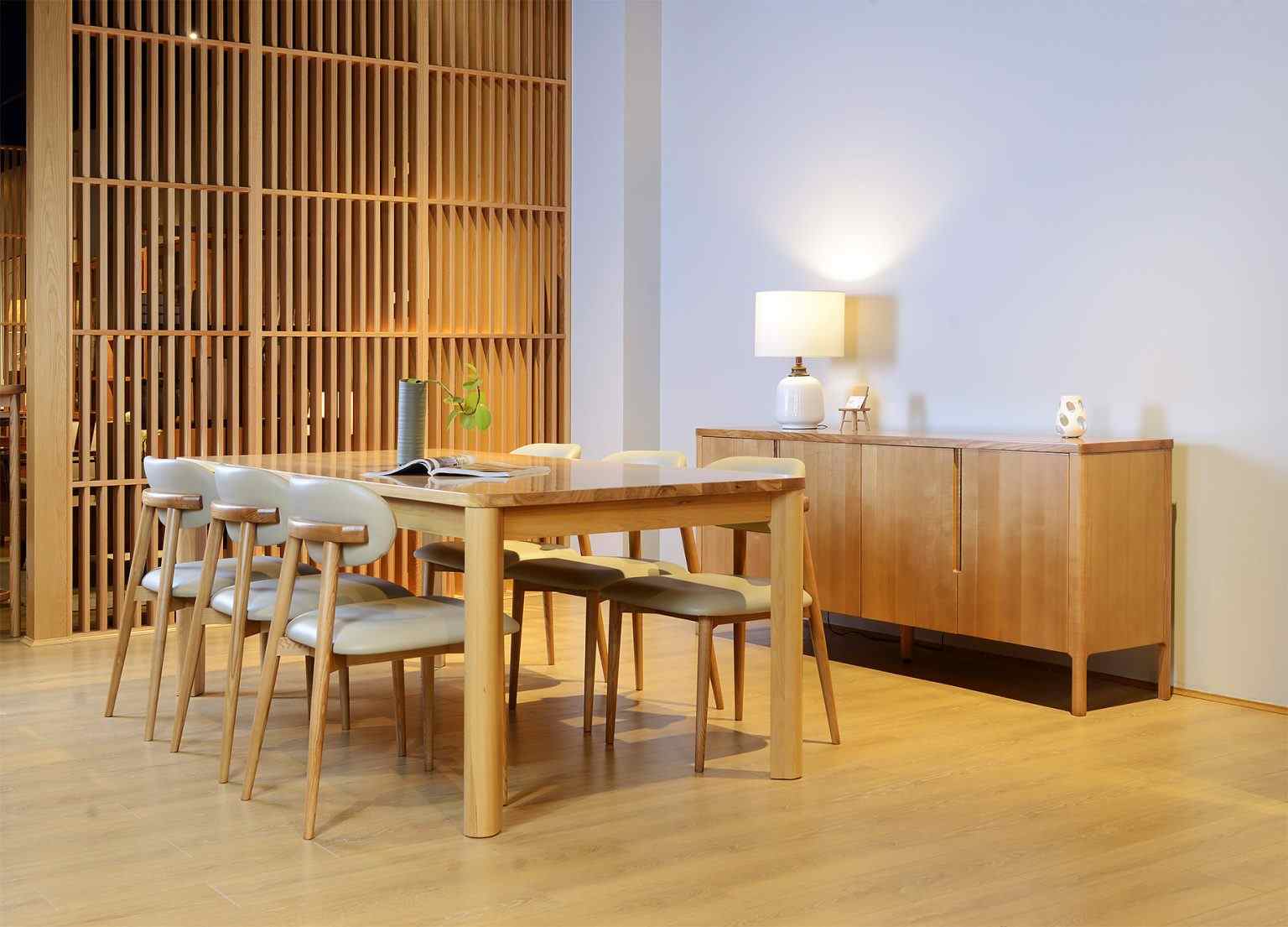
The first step to making your outdoor space a comfortable and inviting retreat would be to master the basics of furnishing your outdoor pieces in a strategic layout, and learning the art of patio furniture layout would make the difference between a crowded, clumsy area and an outdoor serenity that feels more like an extension of your living room. The placement of your seating, dining tables, and ornamental features directly influences both the functionality and beauty of your outdoor space, creating harmonious zones for relaxation, entertainment, and dining while maximizing every square foot.
Measuring Your Outdoor Space Dimensions
The key points to remember before buying or planning any outdoor furnishings are to measure the space that you have and see what will fit in the space without causing congestion, and not only the size of the furniture, but also the distance that the chairs will be pulled out and the door swing that will allow employees to move freely within the premises.
Look at the geometry of your outdoor space, be it a long and narrow balcony, a square courtyard, or a broad wrap-around deck, as each will necessitate a varied strategy of arrangement in order to make the best use of the space and look good in the process.
Setting up the Functional Zones of Different Activities
Division of space into particular purposes assists in better organizing your outdoor space, and having specific places to eat, talk, and rest, which can be devoted to different activities and do not force each other to take up the same space and disturb one another.
A strategic patio furniture layout often features a main seating space—using sofas or lounge chairs arranged in a U- or L-shape—that promotes communication while remaining open to the surrounding landscape.
When there is room, create a distinct dining area with a table and chairs at least three to four feet outside the seating space to give the servers the ease of sitting around the table, as well as to provide a psychological distinction between the casual lounging and the formal dining experience.
Optimization of Traffic Movement and Patterns
Among the most neglected points of outdoor setting is the proper access of the way between the set of furniture items, and the primary routes of movement should have at least thirty-six inches of free space and secondary routes of movement should be at least twenty-four inches to make sure guests do not feel like they are going through the jungle to navigate their way to the furniture.
Have your major sitting arrangement facing the most pleasing sight or feature, it may be a garden bed, a body of water, or a beautiful view, but make sure that you do not create a sitting arrangement that will obstruct any doors, gates, or any other necessary entry and exit points.
Think about the natural movement of people in your house, and the way in which you can position the furniture to suggest to your guests that they will naturally move towards a seating area and not have to move around to find their places that are positioned unnaturally, and thus are not part of the transition between the living areas and the outdoor environment.
Striking a Balance in Style and Proportion.
Choosing the furniture that fits well in your own space and knowing the relationships between different scales means that your patio furniture appearance is not either crammed with furniture that is too large or empty with furniture that is too small, and knowing how different scales relate will make your patio furniture layout not clumsy or thoughtless.
Smaller rooms should be dominated by streamlined furniture where the arms and legs are open to allow the visual space to move up and around the furniture, giving a feeling of airiness, unlike solid and bulky furniture, which can narrow even smaller rooms.
In bigger patios and decks, it is safe to use large furniture that can stand its ground in the wide environment, since small pieces of furniture in a wide space will be lost and will not produce the comforting and delineated spaces that make outdoor areas look inviting and meaningful.
The use of Flexibility and Seasonal Adjustments.
Outdoor plans are smart enough to serve varying needs over the seasons and different occasions, and include lightweight items that could be moved significantly more easily and rearranged and reconfigured into different forms of use based on the type of entertainment.
Bring the mobile features of side tables on wheels, folding chairs that can be folded away when not used, and ottomans that perform the dual purpose of providing extra seating and footrests when needed to make sure that whatever you have planned to cook on the barbecue grill can be accommodated by a flexible patio furniture set.
Anticipate the seasons by maintaining spacing to include or exclude pieces depending on the weather, in which your scenario will work just as well in summer evening outings and spring afternoons reading books as it will seasonally, with decorations and plantings.
Recommendation
To the homeowners who prefer high-quality outdoor furnishings made of long-lasting wood such as the select oak wood and walnut wood options that can withstand the Australian weather condition as well as retain their beauty season after season, OAK Furniture Collection has a wide range of patio pieces which can be used to create beautiful outdoor setting and which is built to survive long to use and enjoy the beautiful outdoor living environment.
